
Já se sentou olhando para uma tela em branco, lutando para escrever as primeiras frases daquela redação que está em sua mente há semanas? Você não está sozinho.
Descobrir como escrever um parágrafo de introdução é frequentemente citado como a parte mais difícil de todo o processo de redação. É essa barreira inicial que mantém muitas ideias brilhantes trancadas.
Mas, depois de decifrar o código da abertura, você descobrirá que as palavras para o corpo do seu ensaio ou blog fluirão com uma facilidade surpreendente.
Independentemente de estar elaborando um blog, um artigo acadêmico ou até mesmo uma página de vendas de alto risco, uma introdução sólida define o tom e chama a atenção do leitor desde a primeira sílaba.
Vamos nos aprofundar no assunto.
Principais conclusões
- O “gancho” é a sua primeira impressão e deve ser nítido o suficiente para impedir que o leitor role a tela ou desvie o olhar.
- O contexto preenche a lacuna entre um pensamento de abertura aleatório e sua tese específica, fornecendo a base necessária para que o leitor siga sua lógica.
- Sua tese é a sua estrela do norte; sem um ponto principal claro na introdução, o leitor provavelmente se perderá nos parágrafos do corpo.
- A adaptabilidade é fundamental, pois o tom da introdução de um blog é muito diferente dos requisitos formais de um trabalho de pesquisa.
- As ferramentas de IA podem acabar com o bloqueio do escritor, ajudando-o a gerar uma abertura “grosseira” que pode ser polida e transformada em uma obra-prima centrada no ser humano.
O que é um parágrafo de introdução?
Uma introdução é a porta de entrada de seu conteúdo.
Não se trata apenas de um “bom ter” ou de uma formalidade; é uma peça vital de arquitetura que chama a atenção do leitor com um bom gancho, O texto, que define o cenário para o que está por vir, fornece um resumo conciso do ângulo exclusivo que você está prestes a adotar.
Pense nele como um trailer de filme: ele deve revelar o suficiente do “enredo” para deixar o público empolgado sem revelar todos os spoilers.


Nunca mais se preocupe com a detecção de seus textos pela IA. Undetectable AI Pode lhe ajudar:
- Faça sua escrita assistida por IA aparecer semelhante ao humano.
- Bypass todas as principais ferramentas de detecção de IA com apenas um clique.
- Uso IA com segurança e com confiança na escola e no trabalho.
Independentemente de você estar escrevendo uma publicação casual em um blog ou um trabalho de pesquisa formal, a introdução estabelece o foco específico do seu trabalho.
Ele cria um contrato psicológico com o leitor, prometendo que o tempo dele será bem gasto e que você tem um destino claro em mente.
No mundo competitivo da publicação moderna, Se você não conquistar o leitor no primeiro parágrafo, provavelmente o perderá para sempre.
O que torna um parágrafo de introdução forte?
Uma introdução forte é caracterizada por clareza, impulso e autoridade. Ela não deve apenas “começar” - deve ser lançada.
Uma introdução fraca costuma ser sinuosa, começando com clichês amplos como “Desde o início dos tempos”, que não diz absolutamente nada ao leitor.
Por outro lado, uma introdução poderosa parece intencional. Ela usa verbos ativos, imagens específicas e uma voz que soa como a de um especialista que está pronto para mostrar o caminho.
As melhores introduções também gerenciam as expectativas do leitor. Se a sua introdução for engraçada e leve, mas o ensaio for uma visão sombria do colapso econômico, o “choque tonal” confundirá o público.
A consistência é o ingrediente secreto que faz uma introdução funcionar. Ela deve parecer o início natural da história que você está prestes a contar, convidando o leitor a participar em vez de mantê-lo à distância.
Os elementos essenciais de que toda introdução precisa
Embora cada texto seja único, quase todas as introduções bem-sucedidas compartilham uma estrutura de três partes que leva o leitor do “geral” para o “específico”.”
Um gancho que atrai os leitores
Sua primeira frase é sua única chance de causar uma primeira impressão. Você pode usar um fato intrigante, uma afirmação ousada ou até mesmo uma pergunta relacionável para “prender” a curiosidade do leitor.
O objetivo é fazer com que seja impossível para eles pararem de ler.
Contexto claro para o tópico
Depois de ter a atenção deles, você precisa dizer por que está falando sobre isso. Essa seção fornece as informações básicas, define termos complicados e explica por que o tópico é relevante no momento.
Ele constrói a “ponte” entre seu gancho e seu argumento principal.
Tese focada ou ideia principal
Essa é a frase mais importante do parágrafo. Ela declara claramente sua perspectiva única ou a argumento principal do texto. Na redação acadêmica, geralmente é uma frase que resume todo o objetivo do ensaio.
Passo a passo: Como escrever um parágrafo de introdução

Se você estiver olhando para esse cursor piscando, não entre em pânico.
Para dominar a redação de um parágrafo de introdução, você precisa de um fluxo de trabalho sistemático que passe de um amplo captador de interesse para um argumento específico e focado.
Aqui estão as etapas essenciais para guiar o leitor pelo portal de seu trabalho:
Etapa 1: Comece com um gancho
Comece com algo vívido que interrompa a rotina do leitor. Se estiver escrevendo sobre mudança climática, não comece com uma declaração seca como “A mudança climática é um problema”.”
Em vez disso, comece com uma estatística surpreendente sobre o aumento do nível do mar ou uma descrição sensorial de uma geleira que está desaparecendo. O objetivo é fazer com que o leitor sinta imediatamente a gravidade e a importância do assunto, forçando-o a prestar atenção.
Etapa 2: Fornecer histórico
Depois de “capturá-los”, passe para o “Quem, o quê e onde” do seu tópico.
Se estiver escrevendo para um público acadêmico especializado, pode ser breve; no entanto, para um público geral, talvez seja necessário explicar como o tópico evoluiu ou como é o debate atual.
Isso ajuda a orientar o leitor para que ele não fique confuso ao mergulhar nos parágrafos mais complexos do corpo mais adiante.
Etapa 3: Indique seu ponto principal
Termine o parágrafo “fincando sua bandeira” com uma declaração de tese clara. Seja ousado e direto em suas frases.
Use uma linguagem forte como “Este artigo explorará...” ou “As evidências sugerem que...” para que o leitor saiba exatamente o que esperar.
Isso fornece o roteiro psicológico para o restante de seu trabalho, garantindo que seu público conheça o destino antes do início da jornada.
Etapa 4: Definir o escopo e as limitações
Um erro comum é tentar cobrir tudo de uma vez, o que geralmente deixa o leitor sobrecarregado.
Nesta etapa, esclareça brevemente os limites de sua discussão-O que você cobrirá e, talvez mais importante, o que não cobrirá.
Isso ajuda a gerenciar as expectativas e garante que seu argumento permaneça firme e focado, em vez de se desviar para tópicos secundários irrelevantes.
Etapa 5: Delinear a estrutura (o roteiro)
Para ensaios mais longos ou blogs técnicos, é extremamente útil dar uma “espiada” nos seus pontos de apoio. Mencione brevemente as três ou quatro áreas principais nas quais você se aprofundará nas próximas seções.
Isso não apenas ajuda o leitor a se manter no caminho certo; na verdade, cria uma sensação de impulso lógico que o leva até o meio do texto sem perder o interesse.
Tipos de ganchos que você pode usar (com exemplos)
A escolha do gancho certo depende de seu assunto e do público-alvo.
Aqui estão três métodos confiáveis para começar:
- Ganchos de perguntas: “Você já se perguntou por que 90% das startups fracassam no primeiro ano?” Isso funciona porque o cérebro humano naturalmente quer buscar a resposta para uma pergunta feita.
- Ganchos de estatísticas ou fatos: “Você sabia que uma pessoa comum passa mais de cinco anos de sua vida nas mídias sociais?” Números concretos acrescentam credibilidade imediata e valor de choque à sua redação.
- Ganchos de história ou cenário: “Imagine economizar dez horas por semana apenas automatizando seus e-mails.” Pintar uma imagem na mente do leitor ajuda-o a se conectar emocionalmente com sua mensagem.
De acordo com Guias de redação da Purdue OWL, Para manter uma voz nova e envolvente, é essencial variar o tipo de gancho de acordo com o gênero do texto.
Exemplos reais de parágrafos de introdução eficazes
Exemplo de ensaio acadêmico
“A Revolução Industrial foi um catalisador para a transformação da sociedade. Definida como o período de rápida industrialização que começou no final do século 18, ela remodelou as economias globais e a própria estrutura da vida cotidiana.
Este ensaio argumentará que a mudança nas estruturas de classe social foi o legado mais significativo da revolução.
Primeiro, exploraremos as mudanças econômicas da época, seguidas de uma análise da classe média emergente e, por fim, consideraremos as consequências de longo prazo visíveis em 2025.”
Por que funciona: Ele define termos, fornece um roteiro e tem uma tese sólida.
Exemplo de artigo de blog
“Você já teve a sensação de estar gritando para o vazio toda vez que publica um blog?
Você não está sozinho; a maioria dos criadores de conteúdo tem dificuldade para passar dos primeiros cinco segundos de atenção do leitor. Mas o segredo não está no tamanho de sua postagem - está na força de sua introdução.
Neste guia, mostraremos como escrever uma introdução que prenda os leitores do início ao fim.”
Por que funciona: É identificável, usa “você” e promete uma solução específica para um problema comum.
Exemplo de redação persuasiva
“Imagine um mundo em que a energia limpa não seja apenas um luxo, mas um padrão global. Embora exista a tecnologia para tornar isso uma realidade, o impasse político muitas vezes impede que isso aconteça.
É hora de uma mudança radical na forma como priorizamos a política ambiental em detrimento do ganho econômico de curto prazo.
Este artigo demonstrará por que o investimento imediato em infraestrutura solar é o único caminho viável para um futuro sustentável.”
Por que funciona: Ele usa imagens vívidas e uma ousada chamada à ação para despertar interesse imediato.
Erros comuns de introdução (e como corrigi-los)
- Começando de forma muito ampla: Evite aberturas no estilo “dicionário”, como “Webster's define coragem como...”. A menos que esteja debatendo a definição em si, isso é um desperdício de espaço. Consertar: Mergulhe diretamente em um exemplo específico ou em um fato chocante.
- Sobrecarga com detalhes em segundo plano: Não revele todo o seu argumento na introdução. Se você explicar tudo agora, o leitor não terá motivos para continuar. Consertar: Mantenha o plano de fundo com 2 a 3 frases, no máximo.
- Declaração de tese fraca ou ausente: Se o leitor terminar a introdução e não souber o que você está argumentando, você fracassou. Consertar: Certifique-se de que seu ponto principal seja uma afirmação clara e discutível.
- Tentando demais soar formal: O uso excessivo de “palavras SAT” complexas faz com que sua redação pareça robótica e inacessível. Consertar: Use o Humanizador de IA para garantir que seu tom soe profissional, mas naturalmente humano.
Como a IA indetectável pode ajudá-lo a escrever apresentações melhores
Os melhores escritores não estão apenas trabalhando mais, eles estão trabalhando de forma mais inteligente com a ajuda de ferramentas especializadas de IA.
A IA indetectável não se trata apenas de “gerar” texto; trata-se de refinar e proteger sua voz exclusiva para que suas apresentações realmente ressoem com leitores humanos.
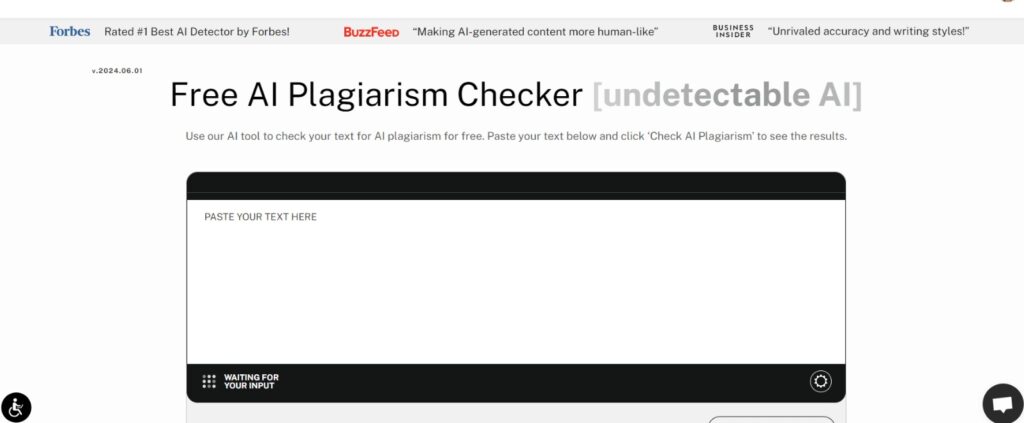
Quando se está escrevendo várias introduções seguidas, é fácil repetir acidentalmente frases ou estruturas comuns.
Essa ferramenta é importante para garantir que seu “Gancho” e “Contexto” sejam 100% originais. Ela lhe dá a confiança necessária para enviar seu trabalho sabendo que ele não será sinalizado por semelhança não intencional com outras fontes.
IAs indetectáveis Escritor de SEO de IA
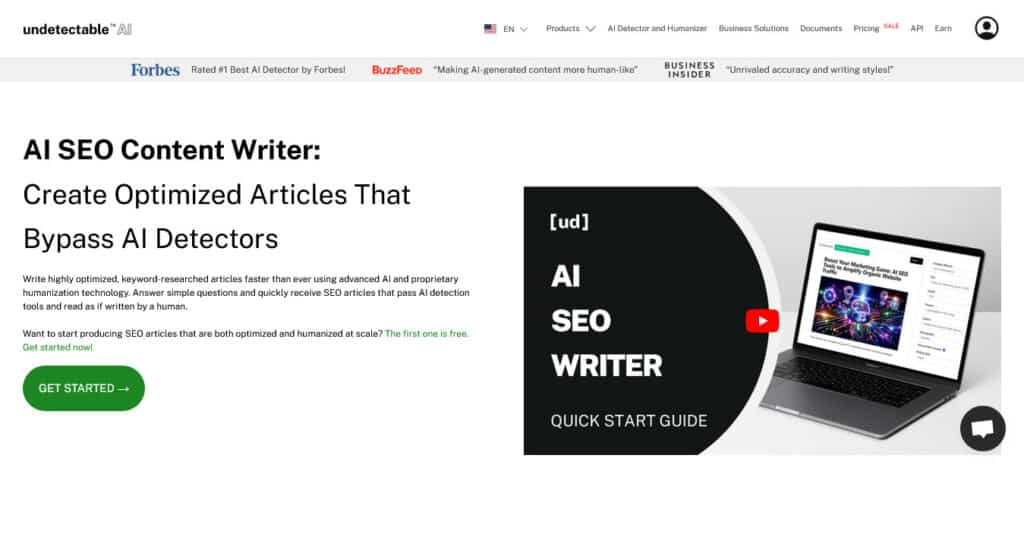
Para os blogueiros, uma introdução não é apenas para as pessoas; é para o Google. Essa ferramenta ajuda você a inserir suas palavras-chave primárias naturalmente, de modo que sua introdução sinalize aos mecanismos de pesquisa que seu conteúdo é confiável e relevante, ajudando-o a obter uma classificação mais alta sem parecer um robô de spam.
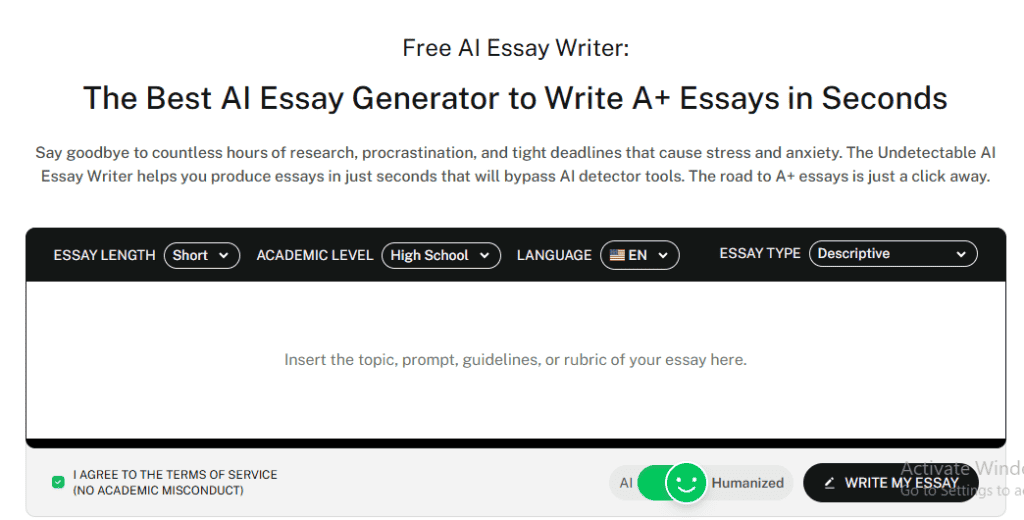
Se você não souber como estruturar uma tese formal, o AI Essay Writer pode fornecer um primeiro rascunho sólido com base em sua solicitação.
Isso o ajuda a ver como diferentes argumentos podem ser apresentados, fornecendo um “modelo” que você pode personalizar com sua própria pesquisa e voz.
Gerador e redator de parágrafos com IA
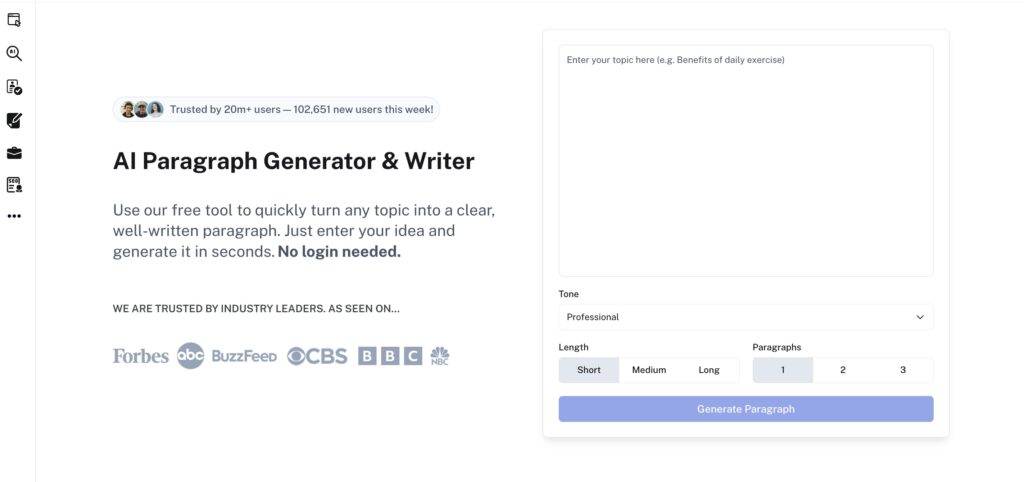
Às vezes, você tem a tese, mas não consegue encontrar o “gancho” certo. Essa ferramenta pode gerar diversas variações diferentes de abertura com base em seu tópico.
Você pode comparar um “Gancho de pergunta” com um “Gancho de estatística” para ver qual deles se encaixa melhor na vibração do seu artigo.
Edição e polimento do parágrafo de introdução
Quando o primeiro rascunho estiver pronto, o verdadeiro trabalho começa. Uma introdução geralmente precisa ser “apertada” mais do que qualquer outra parte de sua redação.
Use nosso Detector de IA para garantir que suas edições não tenham feito o texto parecer muito mecânico ou repetitivo.
- Leia-o sob a perspectiva do leitor: O gancho realmente faz você quer ler mais? Caso contrário, voltaremos à prancheta de desenho.
- Apertar Idioma: Remova palavras de “preenchimento” como “muito”, “realmente” e “de fato”. Cada palavra deve servir a um propósito.
- Alinhar-se com o corpo e a conclusão: Muitas vezes, seu argumento muda à medida que você escreve. Sempre volte e reescreva sua introdução após você terminou a conclusão para garantir que eles combinem perfeitamente.
- Verifique o saldo da “lacuna de informações”: Você deve fornecer ao leitor informações suficientes para que ele entenda o tópico, mas não tanto a ponto de resolver o mistério imediatamente.
- Verificar a consistência tonal: Leia sua introdução junto com sua conclusão para garantir que a “voz” não tenha mudado durante o processo de redação.
De acordo com estudos de redação da Universidade da Carolina do Norte, Em um estudo de caso, as melhores introduções geralmente são as últimas coisas que um escritor aprimora, pois exigem mais precisão.
Teste nosso Detector de IA e Humanizador com o widget abaixo!
Perguntas frequentes
Devo escrever a introdução primeiro?
Não necessariamente! Muitos escritores acham mais fácil escrever primeiro os parágrafos do corpo e depois “preencher novamente” a introdução quando souberem exatamente quais são seus pontos principais.
Qual deve ser a extensão de uma introdução?
Em uma redação padrão de 5 parágrafos, a introdução deve ter cerca de 10-15% do total de palavras. Em uma postagem de blog, procure usar de 100 a 150 palavras para manter o ritmo.
Posso usar “I” em uma introdução?
Depende do gênero. Em um blog pessoal, o “eu” é esperado. Em um artigo acadêmico ou científico formal, geralmente você deve usar a terceira pessoa para manter um senso de autoridade objetiva.
Considerações finais
Aprender a escrever um parágrafo de introdução é a chave para liberar todo o seu potencial como escritor.
É o momento em que você convence seu público de que suas ideias são importantes e que vale a pena ouvir sua voz.
Ao dominar a arte do gancho, do contexto e da tese, você transforma uma página em branco assustadora em uma porta de entrada convidativa para seus leitores.
Lembre-se de que até mesmo os autores mais famosos do mundo tiveram dificuldades com suas primeiras linhas - a diferença é que eles não pararam até encontrarem a que mais se encaixava.
À medida que você avança, lembre-se de que uma ótima introdução é mais do que apenas um resumo; é uma promessa de valor para o leitor. Seguindo uma abordagem estruturada e refinando sua voz, você garante que cada artigo que escrever comece com o impulso necessário para ter sucesso.
Pronto para transformar seu texto de “rascunho” em “pronto”?
Uso Undetectable AI para aprimorar suas apresentações e garantir que seu trabalho receba a atenção que merece.