
Have you ever wondered why AI detection tools sometimes flag content that was written with real thought and effort behind it?
AI detection has moved from a niche concern into something students, marketers, agencies, and everyday writers run into constantly.
Detectors sit inside learning management systems, editorial workflows, and hiring pipelines, quietly scoring text before a human ever reads it. That creates a real problem: even careful, original writing can get mislabeled, and content that leans on AI assistance can slip through untouched.
This guide walks through five proven strategies for managing AI detection while keeping your writing clear, credible, and genuinely useful to readers. You’ll also find an updated look at how detection tools actually perform, where they get it wrong, and what new transparency rules mean for anyone publishing AI-assisted content.
Vamos entrar no assunto.
Principais conclusões
-
AI detection tools look for statistical patterns, low sentence variation, predictable word choice, and repeated structure, not some magic “AI signature.”
-
No detector on the market is fully reliable. Independent testing consistently shows real-world accuracy well below what vendors advertise, and false positives on genuine human writing remain common.
-
Manual editing, varied sentence rhythm, and personal insight are still the most durable ways to reduce detection risk, no tool replaces good editing.
-
New disclosure and labeling requirements are reshaping how AI-generated content has to be handled, especially for anything published in the EU.
-
Deepfake detection has become just as urgent as text detection, given how fast synthetic audio and video fraud is growing.
Entendendo os detectores de conteúdo de IA
Detectores de conteúdo de IA are built to spot patterns typical of machine-generated writing. Instead of “reading” for meaning the way a person does, they run statistical checks against language routines, sentence rhythm, keyword repetition, and padrões de pontuação.
Businesses, schools, and publishers lean on these tools to protect content integrity, catch manipulated text, and confirm authenticity before something goes public.
Como as ferramentas de detecção de IA realmente funcionam
Most detectors score text using two core ideas: perplexity and burstiness. Perplexity measures how predictable each word choice is; lower perplexity usually means more predictable, machine-like phrasing.
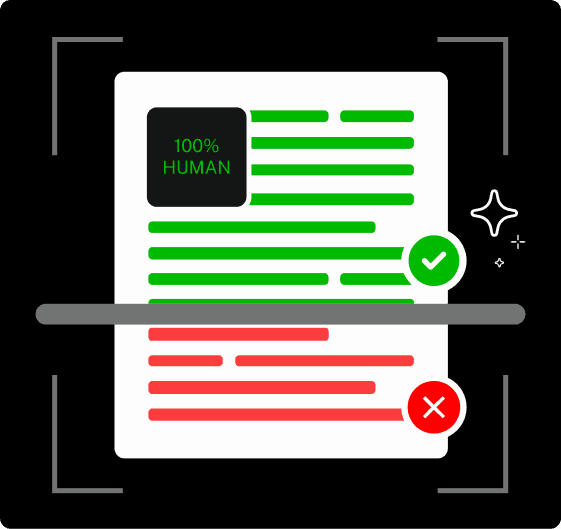
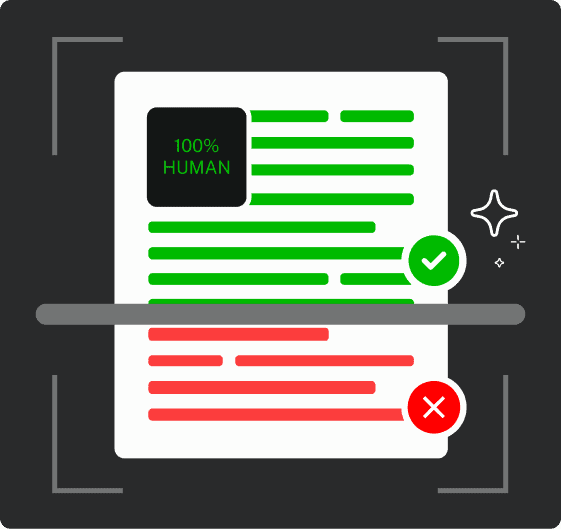
Machen Sie sich nie wieder Sorgen, dass KI Ihre Texte erkennt. Undetectable AI Kann Ihnen helfen:
- Lassen Sie Ihr AI-unterstütztes Schreiben erscheinen menschenähnlich.
- Bypass alle wichtigen KI-Erkennungstools mit nur einem Klick.
- Verwenden Sie AI sicher und zuversichtlich in Schule und Beruf.