
Tell me how you spell “analyze,” and I will tell you who you are.
- Spelled with a Z? You’re likely efficient, direct, and maybe watching a lot of Hollywood movies.
- Spelled with an S? You’re probably traditional, sophisticated, and might enjoy a crumpet with your tea.

Okay, it’s not that deep… but your spelling choice does signal your audience immediately.
In this blog, we are going to settle the Analyze vs. Analyse debate once and for all.
We will break down the specific American vs. British rules for analyze or analyse, explain why the noun form trips up almost everyone, dive into the common errors that can damage your credibility, and so much more.
Let’s jump in.
Key Takeaways
- Analyze (with a ‘z’) is American; Analyse (with an ‘s’) is British.
- Both function exactly the same as verbs; there is no difference in meaning or pronunciation.
- The noun form is always Analysis, regardless of region. Never write “analyzis.”
- Canada generally favors the American Analyze, unlike its usual British leanings.
- Even British dictionaries that prefer “ize” endings use Analyse because of its French roots.
What Is the Difference Between Analyze vs Analyse?
Analyze or analyse are two spellings of the same verb.
They have the same meaning, grammatical function, and pronunciation.
The only difference lies in geographical preference:


Never Worry About AI Detecting Your Texts Again. Undetectable AI Can Help You:
- Make your AI assisted writing appear human-like.
- Bypass all major AI detection tools with just one click.
- Use AI safely and confidently in school and work.
- Analyze (with a z) is the standard spelling in American English.
- Analyse (with an s) is preferred in British English and Commonwealth countries (like Australia and Canada).
Here is how the two variations stack up against each other grammatically.
- Part of Speech: Regular verb (transitive)
- Pronunciation: /ˈæn.ə.laɪz/ (Identical for both spellings)
| Feature | American English (US) | British English (UK) |
| Base Form | Analyze | Analyse |
| Present Simple (3rd Person) | Analyzes | Analyses |
| Present Participle | Analyzing | Analysing |
| Past Simple/Participle | Analyzed | Analysed |
| Agent Noun (The person doing it) | Analyzer | Analyser |
The noun form “Analysis” is spelled the same in both American and British English. The plural is “Analyses” (/əˈnæləˌsiːz/). Do not confuse the plural noun analyses with the third-person verb analyses.
- Definition and Origins
To understand the analyze or analyse meaning, we have to go back in time. The word comes from the Greek analyein, meaning “to unloose” or “to untie.”
This word combines:
- ana (ἀνά) = up, back, throughout
- lyein λύειν) = to loosen, untie, release
Definition: “To examine something methodically and in detail, typically to explain and interpret it.“
As the word moved from Greek to Latin and then into French, it became analyser, spelled with an “s.”
English borrowed this spelling around 1600, so analyse was the standard form for centuries. The “z” appeared in the early 1800s when Noah Webster created American spelling reforms.
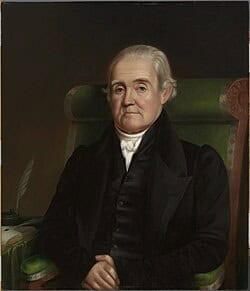
He wanted spelling to match pronunciation, and since analyse sounds like a “z,” he changed it to analyze.
British English kept the traditional analyse, while American English adopted analyze. Although British dictionaries often favor “z” in words like organize.
When to Use
Deciding is it analyse or analyze comes down to your target audience.
- Analyze
Use “analyze” for:
- U.S. and Canadian audiences in all formal and informal writing.
- American academic papers, business communications, and AP or Chicago style publications.
- International business, global organizations, and tech or digital content where American English is the standard.
- Analyse
Use “analyse” for:
- All UK audiences — academic work, business correspondence, British media, government documents, and publications following Oxford or Guardian style.
- Commonwealth countries that follow British conventions, including Australia, New Zealand, India, South Africa, and other former British territories.
- European-based international organizations and academic institutions that follow British English standards.
Memorizing which country uses which spelling can be a headache, especially if you write for a global audience.
Before you check the table below, take a second to Grammar Checker your content to ensure examples are accurate, grammatically correct, and readable.
| Context | Use Analyze (z) | Use Analyse (s) |
| United States | ✓ | ✗ |
| Canada | ✓ | ✗ |
| United Kingdom | ✗ | ✓ |
| Australia | ✗ | ✓ |
| New Zealand | ✗ | ✓ |
| India | ✗ | ✓ |
| South Africa | ✗ | ✓ |
| Ireland | ✗ | ✓ |
| International Business (US-based) | ✓ | ✗ |
| International Business (UK-based) | ✗ | ✓ |
Examples of Analyze vs Analyse
Here is how to properly use analyse or analyze UK and US styles in real sentences.
Examples Using Analyze in American English
- The research team will analyze the DNA sequences to identify genetic markers associated with the disease.
- Marketing departments must analyze customer behavior data to develop more effective advertising campaigns.
- Students need to analyze primary sources critically when writing their history research papers.
- Machine learning algorithms analyze millions of data points to predict future trends with remarkable accuracy.
- Therapists analyze their patients’ behavioral patterns to understand underlying psychological issues.
- Investment advisors analyze market trends, company financials, and economic indicators before recommending stocks.
- Professional coaches analyze game footage extensively to identify opponents’ weaknesses and improve team strategies.
- Forensic experts analyze evidence from crime scenes to help law enforcement build stronger cases.
- Medical laboratories analyze blood samples to detect diseases early and monitor patient health.
- Scientists analyze air quality measurements to track pollution levels and assess environmental health.
Examples Using Analyse in British English
- The doctoral candidate must analyse medieval manuscripts to understand historical linguistic evolution.
- Consultants will analyse the company’s operational efficiency to identify cost-saving opportunities.
- Film critics analyse cinematography, narrative structure, and character development when reviewing movies.
- Civil engineers analyse structural integrity before approving construction projects to ensure public safety.
- Investigative journalists analyse government documents to uncover potential corruption or mismanagement.
- Chemists analyse compound structures using spectroscopy to determine molecular composition accurately.
- Economists analyse employment statistics, inflation rates, and GDP growth to forecast economic trends.
- English students analyse Shakespeare’s use of metaphor and imagery in their essay assignments.
- Researchers analyse demographic data to understand social inequality and cultural change patterns.
- Manufacturing facilities analyse product samples regularly to maintain consistent quality standards.
Memorizing lists of examples is useful, but applying them in a way that feels natural to your reader is the real challenge. Technical accuracy regarding is it analyze or analyse is important, but so is tone.
To ensure your writing doesn’t just sound grammatically correct but also engaging and human, use AI Humanizer to make guidance relatable and easy to apply in real-world writing.
It refines your text so your grasp of the analyze or analyse meaning sounds like it’s coming from a helpful expert, not a textbook.
Frequent Errors to Avoid and Some Tips
Understanding the pitfalls will help you develop better writing habits and avoid embarrassing errors.
Error 1: Mixing Spellings Within the Same Document
You cannot be American in the first sentence and British in the second.
- Incorrect: The researchers will analyze the preliminary data. After analysing the results, they discovered…
- Correct (US): The researchers will analyze… After analyzing…
- Correct (UK): The researchers will analyse… After analysing…
Pro Tip: Set your word processor’s language setting to specifically “English (US)” or “English (UK)” before you start. This ensures spell-check flags inconsistencies automatically.
Error 2: Changing the Noun “Analysis”
Even if you often ask is it analyse or analyze regarding the verb, the noun form is always spelled “analysis” (singular) or “analyses” (plural), regardless of region.
- Incorrect: The analyzis showed significant correlations.
- Singular: Analysis
- Plural: Analyses (pronounced /əˈnæl.ɪ.siːz/)
Error 3: Ignoring Context in Quotations
Changing the spelling in a direct quote to match your own document’s style.
- US Document quoting UK source: “According to Smith, ‘the team will analyze [changed from analyse] the data.‘”
- Direct Quote: Keep the original spelling. (e.g., “The team will analyse the data.”)
- Paraphrasing: Use your document’s chosen spelling. (e.g., Smith stated that the team will analyze the data.)
Applying Analyze vs Analyse in Writing
Now that you understand the differences, let’s explore practical application.
As you work through the examples, aim for wording that flows naturally and sounds human. And Undetectable AI’s AI Detector can help you in this. It ensures clarity, fluency, and authenticity in your final output.

Instructions: Fill in the blanks with either “analyze” or “analyse” based on the context provided. Look for clues like city names, universities, or specific organizations to determine the region.
Mixed Exercise Set
- The Harvard University research team will _____________ the survey responses from 5,000 participants.
- A London-based consulting firm needs to _____________ the company’s supply chain efficiency.
- Scientists at NASA will _____________ rock samples collected from Mars to search for ancient life.
- Students at the University of Melbourne must _____________ primary sources when writing historical essays.
- Canadian government officials need to _____________ the economic impact of new trade policies.
- The BBC documentary team plans to _____________ voting patterns in recent elections.
- Wall Street analysts must _____________ quarterly earnings reports before making recommendations.
- A Mumbai-based tech company will _____________ user data to enhance their application features.
- The CDC must _____________ disease outbreak data to prevent widespread transmission.
- Researchers at Oxford University must _____________ Shakespeare’s use of iambic pentameter.
Answer Key and Explanations
- Analyze (Harvard is in the US → American English)
- Analyse (London is in the UK → British English)
- Analyze (NASA is a US organization → American English)
- Analyse (Melbourne is in Australia → Follows British conventions)
- Analyze (Canada generally follows American spelling for this specific word)
- Analyse (BBC is British → British English)
- Analyze (Wall Street is in the US → American English)
- Analyse (India follows British conventions for this word)
- Analyze (CDC is a US organization → American English)
- Analyse (Oxford is in the UK → British English)
Give our AI Detector and Humanizer a try in the widget below!
Final Thoughts
So, have we solved the mystery of analyze or analyse?
Analyze and analyse mean the same thing. The only difference is spelling.
Analyze is American English. Analyse is British English.
When you are stuck wondering is it analyze or analyse, remember that analyze or analyse meaning is identical. It is purely about where you are standing.
If you are in New York, hit that Z with confidence. If you are asking is it analyse or analyze in London, let the S slide in gracefully, especially since analyse or analyze UK rules are strict about tradition.
The only real crime in grammar isn’t choosing the wrong letter, it’s being inconsistent. Pick your side, stick to it, and analyze (or analyse) away.
Ensure your writing stays authentic and undetectable by running it through Undetectable AI.