
You’re typing an email to let someone know the Saturday meeting has been called off. You start to write the word, and then you pause: Is it canceled with one L, or cancelled with two?
You’ve seen it both ways, and now you’re second-guessing yourself.
The answer? Both are actually correct. And whether you use cancelled or canceled depends on where you are and which style of English you’re writing in.
To help clear up the confusion, we’re breaking down the correct spelling of cancelled and canceled, explaining why both versions exist and how to use them correctly.
TL: DR – Canceled (one L) is preferred in American English, while cancelled (two L’s) is standard in British English and other UK-based dialects. Both are technically correct, just choose the version that matches your audience and stay consistent.
Key Takeaways
- Both canceled and cancelled are correct past tense forms of the verb cancel, with the only difference being regional spelling preferences.
- Canceled with one L is the standard form in American English and is the preferred spelling for those following AP style.
- Cancelled with two L’s is the standard in British English, as well as in Canadian, Australian, and other UK-based dialects.
- Regardless of which dialect you use, the noun cancellation is an exception and is always spelled with two L’s in both American and British English.
- The most important rule for professional writing is consistency; choose the version that matches your audience and use it throughout your entire document.
What Is the Difference Between Cancelled vs Canceled?
The difference between these two spellings comes down to regional spelling preferences, not meaning. Both words are the past tense forms of the verb cancel, and they both mean exactly the same thing.
For example:
- If you canceled a concert, you called it off.
- If you cancelled a concert, you also called it off.
The spelling depends on which version of English you’re using.


Never Worry About AI Detecting Your Texts Again. Undetectable AI Can Help You:
- Make your AI assisted writing appear human-like.
- Bypass all major AI detection tools with just one click.
- Use AI safely and confidently in school and work.
In American English, the preferred spelling is canceled with one L. This is the version you’ll see in most American newspapers, books, and websites. It’s also the spelling recommended by AP style, which many journalists and writers follow.
In British English, the standard spelling is cancelled with two L’s. This same pattern appears in Australian English, Canadian English, and other countries that follow British spelling conventions.
Here’s a simple table to help you understand the difference:
| Is It Canceled or Cancelled? When to Use Each Version | ||
| Spelling | Region | Usage |
| Canceled (one L) | American English | Preferred and more common in the United States. |
| Cancelled (two L’s) | British English | Standard in the UK, Canada, Australia, and other English-speaking countries with connections to the Commonwealth of Nations. |
Why Are Cancelled and Canceled Spelled Differently? Definitions and Origins
The verb “cancel” means to decide that something planned will not happen or to call off an event. For example, you might cancel a meeting due to safety concerns, cancel a subscription, or cancel plans until further notice.
The story behind the two spellings involves Noah Webster, the American lexicographer who created one of the first major American dictionaries.
Webster believed that the traditional English spelling of words was unnecessarily complicated and filled with silent letters.
So in the early 1800s, he set out to simplify American spellings to make words more logical and easier to use. For example, he dropped the “U” from words like “colour” (now color) and “favour” (now favor), changed “defence” to “defense”, and simplified the spelling of many other words.
Webster’s 1806 dictionary included the spelling cancelled with two L’s, following the British pattern. However, in his 1828 dictionary, he had changed it to “canceled” with just one L.
This reform stuck in the United States, while British English kept the double L.
Not everyone in America immediately adopted Webster’s changes, which is why you can still find examples of “cancelled” in American writing today.
When to Use “Cancelled”
You should use cancelled (with two L’s) when you are writing in British English or for an audience in the UK, Canada, Australia, or other countries that follow British spelling conventions.
This is the standard spelling in these regions, and it’s what readers will expect to see.
If you’re writing a formal document, a business letter, or an article for a British publication, use cancelled.
The same pattern applies to other forms of the verb, such as cancelling (present participle) and canceller (noun, though this form is rare).
Here are some examples:
- The concert was cancelled due to safety concerns.
- The airline is cancelling flights until further notice.
Even if you’re an American writer working on a project for a British audience, you should use cancelled to match their expectations.
Consistency with your audience’s dialect shows attention to detail and respect for their language conventions.
When to Use “Canceled”
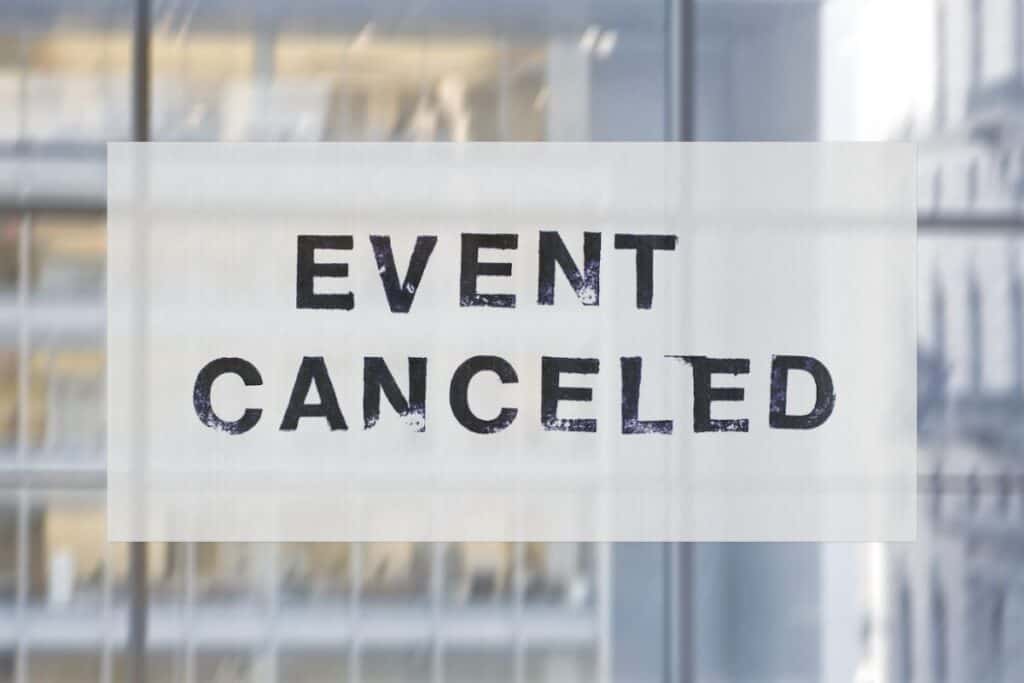
You should use canceled (with one L) when you are writing in American English or following AP style.
This is the preferred spelling in the United States, and it’s what most American readers recognize as correct.
If you’re writing for an American newspaper, website, blog, or business, this is the version to choose.
The same pattern applies to related forms: canceling (present participle) and canceler (noun).
Here are some examples:
- The meeting was canceled on Saturday morning.
- The school district is canceling classes due to weather.
If you’re writing for an American audience or following a style guide that specifies American English, stick with canceled. This keeps your writing consistent and professional.
Pro Tip for Writers: Writing in American English? Run your content through Undetectable AI’s Grammar Checker to catch spelling slip-ups with tricky words like canceled.
Common Mistakes to Avoid in British and American English
Even though canceled and cancelled are both technically correct, writers still trip up over them all the time.
The mistakes usually aren’t about meaning; they’re more about consistency, audience awareness, and knowing when spelling rules actually matter.
Here are the most common pitfalls to watch out for when switching between British and American English.
- Mixing spellings in the same piece: Switching between “canceled” and “cancelled” makes your writing look sloppy. Choose one spelling and use it consistently from start to finish.
- Misspelling “cancellation”: “Cancellation” always uses two L’s in both American and British English. Even though Americans write “canceled” with one L, “cancelation” is rare and will always be flagged as incorrect by spell checkers.
- Ignoring your audience or style guide: Casual writing can go either way, but professional, academic, or published content should match your audience’s dialect.
- Thinking one spelling is “wrong”: Neither spelling is incorrect. “Canceled” and “cancelled” mean the same thing. The difference is regional preference, not grammar.
As a rule of thumb, always pick the spelling that matches your audience or style guide and stick with it all the way through.
When you focus on consistency instead of overthinking “right vs. wrong,” your writing instantly looks more polished and professional.
Examples of Cancelled vs Canceled in Sentences
Seeing the two words in context can help you understand how they’re used in real writing. Here are examples that show both spellings in action.
| Is It Cancelled or Canceled? 10 Helpful Examples | |
| American English (canceled) | British English (cancelled) |
| The flight was canceled due to weather trouble. | The concert was cancelled at the last minute. |
| She canceled her subscription after the price increase. | He cancelled his appointment with the doctor. |
| The school canceled the field trip until further notice. | The train service has been cancelled until further notice. |
| They are canceling the event because of safety concerns. | They are cancelling the season due to low ticket sales. |
| The company canceled the meeting on Saturday. | The restaurant cancelled our reservation without explanation. |
Pro Tip for Writers: Once you’ve chosen the right version of “canceled”, run your writing through Undetectable’s AI Detector to make sure your writing comes across as authentic.
If anything gets flagged, you can then run it through the AI Humanizer tool to smooth out any awkward or robotic phrasing.

How to Apply Cancelled or Canceled in Writing: 5 Practical Steps
Yes, learning the difference between cancelled and canceled is confusing. But you don’t need to overthink it.
A few simple checks (like who you’re writing for and which style guide you’re following) are all it takes to get it right every time.
Step 1: Identify your English dialect
Figure out who you’re writing for first. If your audience is in the United States, use canceled. If you’re writing for readers in the UK, Canada, Australia, or other regions that follow British English, use cancelled.
Step 2: Check the style guide
If you’re following a style guide, let it make the call. AP style, which is common in American journalism and online publishing, prefers canceled with one L. Other guides may follow British conventions, so it’s always worth checking.
Step 3: Choose one spelling and stay consistent
Once you’ve picked a spelling, use it throughout the entire piece. Switching between canceled and cancelled can distract readers and make your writing look unprofessional.
Step 4: Decide how to handle international audiences
If your audience is global, you have two options: choose one spelling and stick with it, or briefly acknowledge both spellings and explain the difference. The second option works especially well in educational or research contexts.
Step 5: Remember the exception: the noun “cancellation”
No matter which dialect you’re using, cancellation always uses two L’s. Even in American English, cancelation is rare and best avoided. Stick with “cancellation” every time.
See how our AI Detector and Humanizer works in the widget below!
Frequently Asked Questions
Is cancelled or canceled correct in US spelling?
In U.S. spelling, canceled (with one L) is the preferred and most widely accepted form. While cancelled isn’t technically wrong, it’s still considered to be the British spelling and isn’t used in American publications and style guides.
Is cancellation spelled with one L or two?
Cancellation is always spelled with two L’s in both American and British English. This is an exception to the normal rule. The variant “cancelation” (one L) does exist, but it’s rarely used.
Why does the final consonant sometimes double in English spelling?
In English, final consonants often double when a word ends in a stressed syllable followed by a vowel suffix (like -ed or -ing). British English applies this rule more consistently, while American English often simplifies it.
Do new syllables affect whether the L is doubled?
Yes. When adding a suffix creates a new syllable or shifts stress, spelling rules can change. However, cancel is an exception in American English, where the L is not doubled in canceled or canceling, even though additional syllables are added.
One Last Note on the Spelling Differences Between Cancelled and Canceled
The debate over these two spellings is a perfect example of how English spelling varies across different regions and dialects.
Both spellings are equally correct, and both have the same meaning. The version you choose depends on your audience, your location, and the style guide you follow.
The golden rule, above all else, is: keep it consistent. Pick one spelling and use it throughout your writing. Don’t worry about whether you’ve chosen the “right” version, as long as you’re consistent and your choice matches your audience’s expectations, you’re fine.
And if you ever doubt yourself, just remember that both spellings are acceptable, and you can’t really go wrong with either one.
Make sure your writing stays consistent and human-like with Undetectable AI.