
Cuándo, dónde y por qué. Tres palabras sencillas pero esenciales en el vocabulario inglés.
Estas palabras señalan un momento, lugar o motivo concreto y hacen que el contexto sea más vívido.
Y lo que es más importante, conectan sus ideas sin problemas.
Sin costuras en las frases, sin frases incómodas, sólo narración limpia. Los has visto trabajar horas extras en titulares, novelas e incluso memes.
Ese fue el verano en que todo cambió.
El café donde nos conocimos ya no existe.
Nadie sabía por qué había desaparecido.
Si la lengua inglesa tuviera Oscars, estos tres probablemente acumularían los trofeos.
Porque no se limitan a conectar tus pensamientos, sino que los apoyan para que todo sea más comprensible.
Ahora que ya sabes lo que hacen, vamos a ver cómo utilizarlas como un profesional.
Principales conclusiones
-
Los adverbios relativos ("cuándo", "dónde" y "por qué") introducen cláusulas adjetivas que explican el tiempo, el lugar o el motivo.
-
Modifican a los sustantivos, a diferencia de los pronombres relativos, que se refieren a personas o cosas.
-
Su uso crea frases más fluidas y conectadas, sin repeticiones ni frases incómodas.
-
Tenga cuidado de no confundirlas con las conjunciones subordinantes, que modifican cláusulas enteras.
-
La claridad es importante: el adverbio relativo debe relacionarse claramente con el sustantivo que le precede.
¿Qué es un adverbio relativo?
Un adverbio relativo es un casamentero gramatical. Conecta dos partes de una frase introduciendo una cláusula adjetiva que describe cuándo, dónde o por qué ocurre algo.
Think of it as the friend who introduces you to someone at a party by saying, “This is Sarah, the one who lived in that house where the infamous karaoke incident happened.”
El adverbio relativo puentea tu cláusula principal y la información adicional que desea compartir.


No vuelvas a preocuparte de que la IA detecte tus textos. Undetectable AI puede ayudarle:
- Haz que aparezca tu escritura asistida por IA de aspecto humano.
- Bypass las principales herramientas de detección de IA con un solo clic.
- Utilice AI de forma segura y con confianza en la escuela y el trabajo.
En lugar de escribir dos frases separadas, puedes entrelazarlas en algo más elegante y conectado.
Cómo introducen las oraciones adjetivas (de relativo)
Los adverbios relativos introducen adjetivo cláusulas que modifican los sustantivos de la frase principal.
Estas cláusulas añaden un contexto esencial sin crear un desastre gramatical.
Here’s the thing: the clause they introduce isn’t just random information thrown in for fun.
Describe específicamente el sustantivo que precede al adverbio relativo.
For example, “I remember the day when we first met” uses “when” to introduce a clause that describes “the day.” The clause “when we first met” says something specific about that particular day.
Without the relative adverb, you’d be stuck with clunky sentences like “I remember the day. We first met on that day” that nobody wants to read.
Lo bueno de los adverbios relativos es que ayudarle a escribir mejor creando conexiones sin fisuras.
Your reader doesn’t have to work overtime to understand how your ideas relate to each other. The relative adverb does that heavy lifting for you.
Diferencia entre adverbios y pronombres relativos
Here’s where things get interesting. Relative adverbs and relative pronouns are like cousins who look similar but have totally different personalities.
Los pronombres relativos (quien, quien, cuyo, cual, aquel) se refieren a personas o cosas. Los adverbios relativos se refieren a circunstancias.
Los pronombres relativos pueden sustituirse a menudo por su antecedente.
For instance, “The woman who called yesterday” could become “The woman called yesterday” if you rearrange things. But relative adverbs can’t pull that same trick.
You can’t just yank “when” out of “the time when everything changed” without completely losing the meaning.
Otra diferencia clave es que los pronombres relativos suelen servir de sujeto u objeto de su cláusula, mientras que los adverbios relativos funcionan como, bueno, adverbios.
Modifican a verbos, adjetivos u otros adverbios dentro de la cláusula que introducen.
It’s like having a grammar-savvy friend who doesn’t judge your confusion.
Los tres adverbios relativos principales
Let’s break down the holy trinity of relative adverbs.
Estas tres palabras hacen la mayor parte del trabajo en el mundo de los adverbios relativos.
Cuándo - Se refiere al tiempo
“When” is your go-to relative adverb for anything time-related. It introduces clauses that describe moments, periods, or occasions.
Think “the summer when I learned to skateboard” or “the moment when everything clicked.”
The tricky part about “when” is that it sometimes feels interchangeable with “that” in certain contexts. But here’s the difference: “when” specifically emphasizes the aspecto temporal.
“The day when we moved” feels more focused on the timing than “the day that we moved.”
You’ll often see “when” used with time-related nouns like day, year, moment, time, period, era, or season.
Crea un puente natural entre la referencia temporal y lo que realmente ocurrió durante ese tiempo.
Dónde - Se refiere al lugar
“Where” handles all your location-based needs. It introduces clauses that describe places, locations, or positions.
“The coffee shop where I wrote my first novel” or “the corner where we always meet” are classic examples.
What makes “where” particularly useful is its ability to create vivid mental images. Instead of saying “I went to the park.
The park had amazing cherry blossoms,” you can say “I went to the park where the cherry blossoms were absolutely stunning.” Same information, better flow.
“Where” works with place-related nouns like house, city, street, country, room, building, or any location you can think of.
It’s particularly powerful in descriptive writing because it helps readers visualize settings without breaking the narrative flow.
Por qué - Se refiere a la razón
“Why” is the philosopher of the relative adverb family. It introduces clauses that explain reasons, causes, or motivations.
“The reason why I started writing” or “that’s why I don’t trust people who don’t like dogs” shows “why” in action.
Interestingly, “why” is often used in more casual, conversational writing. It has a slightly different feel than the more formal “for which” or “because of which.”
“The reason why” constructions are everywhere in modern writing, even though some grammar purists argue you can just use “the reason” without the “why.”
The thing is that “why” makes your writing sound more natural and conversational.
It’s the difference between sounding like a human and sounding like a legal document.
Cómo utilizar los adverbios relativos en las frases
Utilizar eficazmente los adverbios relativos consiste en crear conexiones fluidas entre las ideas.
La clave está en asegurarse de que el adverbio relativo se refiere al sustantivo correcto y de que la cláusula que introduce tiene sentido lógico.
Empieza por identificar el sustantivo que quieres modificar. Luego pregúntate si estás describiendo cuándo, dónde o por qué ocurrió algo relacionado con ese sustantivo.
If so, you’ve got a perfect setup for a relative adverb.
El error más común es crear antecedentes poco claros.
El adverbio relativo debe referirse claramente al sustantivo que le precede.
“I visited the restaurant where when I was hungry” doesn’t work because “where” is trying to refer to a place, but “when” is throwing in a time element that confuses everything.
Another pro tip is to pay attention to the punctuation. If the information in your relative clause is essential to understanding the sentence, don’t use commas.
“The place where I grew up” doesn’t need commas because “where I grew up” is crucial information.
But “My hometown, where I learned to drive, has terrible roads” uses commas because the relative clause adds extra, non-essential information.
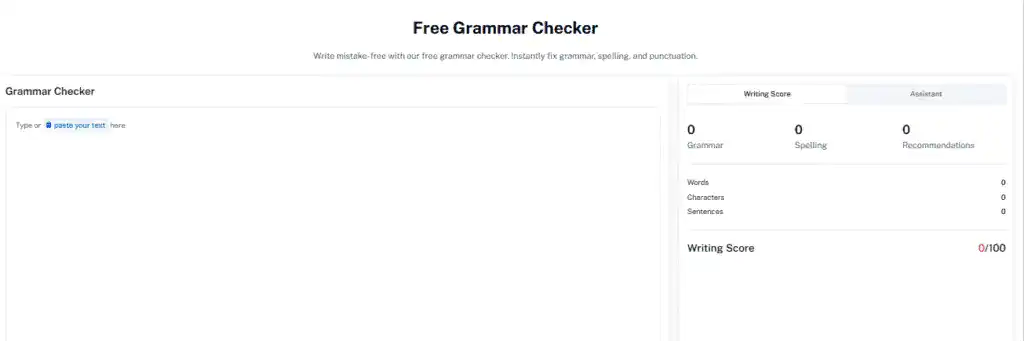
If you’re worried about misplaced relative adverbs or clause errors, Undetectable AI’s AI Grammar Checker can catch these issues before they trip up your readers.
It’s like having a safety net for your sentence structure.
Adverbio relativo frente a conjunción subordinante

Aquí es donde las cosas se ponen un poco técnicas, pero quédate con nosotros.
La confusión entre adverbios relativos y conjunciones subordinantes pone en aprietos a muchos escritores.
Similitudes funcionales
En Reglas gramaticales inglesasLos adverbios relativos y las conjunciones subordinantes conectan las cláusulas y crean relaciones entre las ideas.
They both introduce dependent clauses that can’t stand alone as complete sentences, and both help you create more complex, sophisticated sentence structures.
Las propias palabras pueden ser incluso las mismas.
“When,” “where,” and “why” can function as either relative adverbs or subordinating conjunctions depending on how they’re used. It’s all about context and what they’re actually doing in the sentence.
Principales diferencias en estructura y uso
La gran diferencia es que los adverbios relativos introducen específicamente cláusulas adjetivas que modifican sustantivos.
Las conjunciones subordinantes introducen cláusulas adverbiales que modifican verbos, adjetivos o cláusulas completas.
A relative adverb creates a direct relationship with a specific noun. “The house where I grew up” has “where” directly modifying “house.”
But a subordinating conjunction creates a broader relationship. “I feel nostalgic when I visit my hometown” has “when” introducing a clause that modifies the entire action of feeling nostalgic.
Ejemplos que muestran la distinción
Let’s look at some examples to make this crystal clear:
- Adverbio relativo: “I remember the moment when everything changed.” Here, “when” introduces a clause describing “the moment.”
- Conjunción subordinante: “When everything changed, I wasn’t prepared.” Here, “when” introduces a clause that sets up the timing of the main clause.
¿Ves la diferencia?
El adverbio relativo está ligado a un sustantivo concreto, mientras que la conjunción subordinante establece una relación más amplia entre las cláusulas.
Errores comunes y cómo evitarlos
Let’s talk about the mistakes that make grammar teachers cry and readers confused.
Uno de los mayores problemas es utilizar adverbios relativos sin un antecedente adecuado.
“I went to the store when I needed milk” sounds fine, but it’s technically incorrect.
“Store” isn’t a time, so “when” doesn’t have a proper antecedent. In the sentence, “when” is not a relative adverb because it doesn’t modify a noun. It’s a subordinating conjunction that connects the two clauses.
Another common mistake is mixing up “where” and “when” in casual speech.
“Back in the day where things were simpler” should be “back in the day when things were simpler” because “day” refers to time, not place.
There’s also confusion surrounding “why.” La gente suele escribir “the reason why is because,” which is redundant. Pick one: “the reason is” or “why is” but not both.
The goal isn’t to use relative adverbs everywhere.

It’s to use them strategically to create natural connections and enhance your meaning.
IA indetectable Humanizador AI puede ayudar a suavizar las transiciones y garantizar una redacción natural en torno a las cláusulas relativas, haciendo que su redacción suene más conversacional y menos robótica.
Empieza a explorar: nuestro Detector de IA y nuestro Humanizador te esperan en el widget de abajo.
¿Dónde, cuándo, por qué... y ahora qué?
Los adverbios relativos son herramientas, no reglas.
They’re there to help you create clearer, more connected writing. Master them, and you’ll notice your sentences flowing more naturally. Your readers will thank you for making their job easier.
The best writers use relative adverbs instinctively. They know when to deploy “when,” where to place “where,” and why to use “why.”
Pero llegar a ese nivel requiere práctica y prestar atención a cómo funcionan estas palabritas en las frases.
Empieza a prestar atención a los adverbios relativos en los escritos que admiras. Observa cómo crean conexiones y suavizan transiciones potencialmente incómodas.
Después, practica su uso en tu trabajo.
Grammar isn’t about following rules for the sake of rules. It’s about communication.
Relative adverbs help you communicate more effectively by creating clear, logical connections between your ideas. And in a world full of unclear, confusing writing, that’s a superpower worth developing.
¿Quieres que tus frases suenen más humanas, naturales y gramaticales?
Pruebe IA indetectable El corrector gramatical y el humanizador de IA, creados para suavizar frases incómodas y ayudar a que tu escritura conecte.