
Quando, onde e por quê. Três palavras simples, mas essenciais no vocabulário inglês.
Essas palavras indicam um momento, local ou motivo específico e tornam o contexto mais vívido.
E o mais importante é que eles conectam suas ideias de forma suave.
Sem costuras de frases, sem frases estranhas, apenas uma narrativa limpa. Você já os viu trabalhar horas extras em manchetes, romances e até memes.
Foi nesse verão que tudo mudou.
A cafeteria onde nos conhecemos não existe mais.
Ninguém sabia o motivo de seu desaparecimento.
Se a língua inglesa tivesse um Oscar, esses três provavelmente ganhariam os troféus.
Porque eles não apenas conectam seus pensamentos, mas também os apoiam, tornando tudo mais compreensível.
Agora que você sabe o que eles fazem, vamos ver como usá-los como um profissional.
Principais conclusões
-
Os advérbios relativos ("when", "where" e "why") introduzem orações adjetivas que explicam tempo, lugar ou razão.
-
Eles modificam substantivos, ao contrário dos pronomes relativos, que se referem a pessoas ou coisas.
-
O uso delas cria frases mais suaves e conectadas, sem repetições ou frases estranhas.
-
Tome cuidado para não confundi-las com conjunções subordinadas, que modificam orações inteiras.
-
A clareza é importante: o advérbio relativo deve estar claramente relacionado ao substantivo que o precede.
O que é um Advérbio Relativo?
Um advérbio relativo é um casamenteiro gramatical. Ele conecta duas partes de uma frase introduzindo uma oração adjetiva que descreve quando, onde ou por que algo acontece.
Think of it as the friend who introduces you to someone at a party by saying, “This is Sarah, the one who lived in that house where the infamous karaoke incident happened.”
O advérbio relativo bridges your cláusula principal e as informações adicionais que deseja compartilhar.


Nunca mais se preocupe com a detecção de seus textos pela IA. Undetectable AI Pode lhe ajudar:
- Faça sua escrita assistida por IA aparecer semelhante ao humano.
- Bypass todas as principais ferramentas de detecção de IA com apenas um clique.
- Uso IA com segurança e com confiança na escola e no trabalho.
Em vez de escrever duas frases separadas, você pode juntá-las em algo mais elegante e conectado.
Como eles introduzem cláusulas adjetivas (relativas)
Os advérbios relativos introduzem adjetivo cláusulas que modificam substantivos em sua frase principal.
Essas cláusulas acrescentam contexto essencial sem criar um desastre gramatical.
Here’s the thing: the clause they introduce isn’t just random information thrown in for fun.
Ele descreve especificamente o substantivo que vem logo antes do advérbio relativo.
For example, “I remember the day when we first met” uses “when” to introduce a clause that describes “the day.” The clause “when we first met” says something specific about that particular day.
Without the relative adverb, you’d be stuck with clunky sentences like “I remember the day. We first met on that day” that nobody wants to read.
A beleza dos advérbios relativos é que eles Ajudá-lo a escrever melhor criando conexões perfeitas.
Your reader doesn’t have to work overtime to understand how your ideas relate to each other. The relative adverb does that heavy lifting for you.
Diferença entre advérbios e pronomes relativos
Here’s where things get interesting. Relative adverbs and relative pronouns are like cousins who look similar but have totally different personalities.
Os pronomes relativos (who, whom, whose, which, that) referem-se a pessoas ou coisas. Os advérbios relativos referem-se a circunstâncias.
Os pronomes relativos geralmente podem ser substituídos por seu antecedente.
For instance, “The woman who called yesterday” could become “The woman called yesterday” if you rearrange things. But relative adverbs can’t pull that same trick.
You can’t just yank “when” out of “the time when everything changed” without completely losing the meaning.
Outra diferença importante é que os pronomes relativos geralmente servem como sujeito ou objeto de sua oração, enquanto os advérbios relativos funcionam como, bem, advérbios.
Eles modificam verbos, adjetivos ou outros advérbios dentro da oração que introduzem.
It’s like having a grammar-savvy friend who doesn’t judge your confusion.
Os três principais advérbios relativos
Let’s break down the holy trinity of relative adverbs.
Essas três palavras fazem a maior parte do trabalho no mundo dos advérbios relativos.
When - Refere-se ao tempo
“When” is your go-to relative adverb for anything time-related. It introduces clauses that describe moments, periods, or occasions.
Think “the summer when I learned to skateboard” or “the moment when everything clicked.”
The tricky part about “when” is that it sometimes feels interchangeable with “that” in certain contexts. But here’s the difference: “when” specifically emphasizes the aspecto temporal.
“The day when we moved” feels more focused on the timing than “the day that we moved.”
You’ll often see “when” used with time-related nouns like day, year, moment, time, period, era, or season.
Isso cria uma ponte natural entre a referência de tempo e o que de fato aconteceu durante esse período.
Where - Refere-se ao local
“Where” handles all your location-based needs. It introduces clauses that describe places, locations, or positions.
“The coffee shop where I wrote my first novel” or “the corner where we always meet” are classic examples.
What makes “where” particularly useful is its ability to create vivid mental images. Instead of saying “I went to the park.
The park had amazing cherry blossoms,” you can say “I went to the park where the cherry blossoms were absolutely stunning.” Same information, better flow.
“Where” works with place-related nouns like house, city, street, country, room, building, or any location you can think of.
It’s particularly powerful in descriptive writing because it helps readers visualize settings without breaking the narrative flow.
Why - Refere-se à razão
“Why” is the philosopher of the relative adverb family. It introduces clauses that explain reasons, causes, or motivations.
“The reason why I started writing” or “that’s why I don’t trust people who don’t like dogs” shows “why” in action.
Interestingly, “why” is often used in more casual, conversational writing. It has a slightly different feel than the more formal “for which” or “because of which.”
“The reason why” constructions are everywhere in modern writing, even though some grammar purists argue you can just use “the reason” without the “why.”
The thing is that “why” makes your writing sound more natural and conversational.
It’s the difference between sounding like a human and sounding like a legal document.
Como usar advérbios relativos em frases
O uso eficaz de advérbios relativos consiste em criar conexões suaves entre as ideias.
O segredo é garantir que o advérbio relativo se refira ao substantivo certo e que a oração que ele introduz faça sentido lógico.
Comece identificando o substantivo que você deseja modificar. Em seguida, pergunte a si mesmo se está descrevendo quando, onde ou por que algo relacionado a esse substantivo aconteceu.
If so, you’ve got a perfect setup for a relative adverb.
O erro mais comum que as pessoas cometem é criar antecedentes pouco claros.
Seu advérbio relativo deve se referir claramente ao substantivo que vem logo antes dele.
“I visited the restaurant where when I was hungry” doesn’t work because “where” is trying to refer to a place, but “when” is throwing in a time element that confuses everything.
Another pro tip is to pay attention to the punctuation. If the information in your relative clause is essential to understanding the sentence, don’t use commas.
“The place where I grew up” doesn’t need commas because “where I grew up” is crucial information.
But “My hometown, where I learned to drive, has terrible roads” uses commas because the relative clause adds extra, non-essential information.
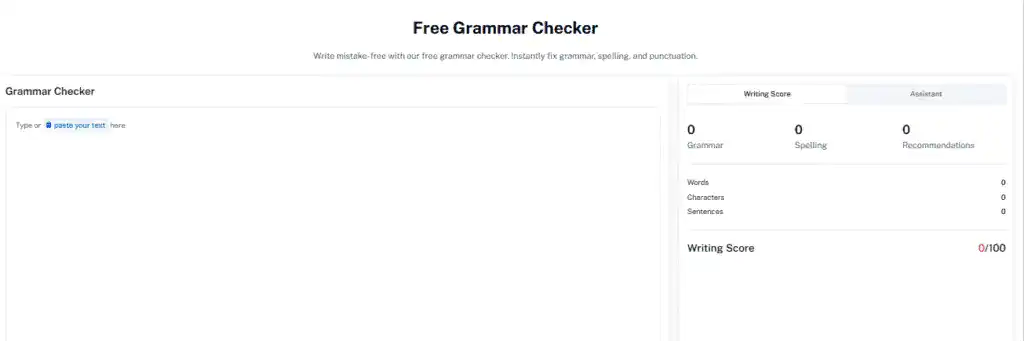
If you’re worried about misplaced relative adverbs or clause errors, Undetectable AI’s AI Grammar Checker can catch these issues before they trip up your readers.
It’s like having a safety net for your sentence structure.
Advérbio relativo vs. Conjunção subordinativa

É aqui que as coisas ficam um pouco técnicas, mas continue conosco.
A confusão entre advérbios relativos e conjunções subordinativas atrapalha muitos escritores.
Semelhanças na função
Em Regras gramaticais da língua inglesaOs advérbios relativos e as conjunções subordinadas conectam as orações e criam relações entre as ideias.
They both introduce dependent clauses that can’t stand alone as complete sentences, and both help you create more complex, sophisticated sentence structures.
As palavras em si podem até ser as mesmas.
“When,” “where,” and “why” can function as either relative adverbs or subordinating conjunctions depending on how they’re used. It’s all about context and what they’re actually doing in the sentence.
Principais diferenças na estrutura e no uso
A grande diferença é que os advérbios relativos introduzem especificamente orações adjetivas que modificam substantivos.
As conjunções subordinativas introduzem orações adverbiais que modificam verbos, adjetivos ou orações inteiras.
A relative adverb creates a direct relationship with a specific noun. “The house where I grew up” has “where” directly modifying “house.”
But a subordinating conjunction creates a broader relationship. “I feel nostalgic when I visit my hometown” has “when” introducing a clause that modifies the entire action of feeling nostalgic.
Exemplos que mostram a distinção
Let’s look at some examples to make this crystal clear:
- Advérbio relativo: “I remember the moment when everything changed.” Here, “when” introduces a clause describing “the moment.”
- Conjunção subordinada: “When everything changed, I wasn’t prepared.” Here, “when” introduces a clause that sets up the timing of the main clause.
Está vendo a diferença?
O advérbio relativo está vinculado a um substantivo específico, enquanto a conjunção subordinativa estabelece uma relação mais ampla entre as orações.
Erros comuns e como evitá-los
Let’s talk about the mistakes that make grammar teachers cry and readers confused.
Um dos maiores problemas é usar advérbios relativos sem um antecedente adequado.
“I went to the store when I needed milk” sounds fine, but it’s technically incorrect.
“Store” isn’t a time, so “when” doesn’t have a proper antecedent. In the sentence, “when” is not a relative adverb because it doesn’t modify a noun. It’s a subordinating conjunction that connects the two clauses.
Another common mistake is mixing up “where” and “when” in casual speech.
“Back in the day where things were simpler” should be “back in the day when things were simpler” because “day” refers to time, not place.
There’s also confusion surrounding “why.” As pessoas costumam escrever “the reason why is because,” which is redundant. Pick one: “the reason is” or “why is” but not both.
The goal isn’t to use relative adverbs everywhere.

It’s to use them strategically to create natural connections and enhance your meaning.
IAs indetectáveis Humanizador de IA pode ajudar a suavizar as transições e garantir um fraseado natural em torno das orações relativas, fazendo com que sua redação soe mais coloquial e menos robótica.
Comece a explorar - nosso Detector de IA e o Humanizador estão esperando no widget abaixo!
Onde, quando, por que... e o que fazer agora?
Os advérbios relativos são ferramentas, não regras.
They’re there to help you create clearer, more connected writing. Master them, and you’ll notice your sentences flowing more naturally. Your readers will thank you for making their job easier.
The best writers use relative adverbs instinctively. They know when to deploy “when,” where to place “where,” and why to use “why.”
No entanto, para chegar a esse nível, é preciso prática e atenção à forma como essas pequenas palavras funcionam nas frases.
Comece a prestar atenção aos advérbios relativos nos textos que você admira. Observe como eles criam conexões e suavizam transições potencialmente incômodas.
Em seguida, pratique o uso delas em seu trabalho.
Grammar isn’t about following rules for the sake of rules. It’s about communication.
Relative adverbs help you communicate more effectively by creating clear, logical connections between your ideas. And in a world full of unclear, confusing writing, that’s a superpower worth developing.
Quer ajuda para fazer com que suas frases soem mais humanas, naturais e gramaticais?
Tente IAs indetectáveis Verificador gramatical e Humanizador de IA, que foram criados para suavizar frases estranhas e ajudar a conectar sua escrita.