You hear it all the time:
“I only go out once in a blue moon.”
“That kind of luck only happens once in a blue moon.”
“I only ever hear from him once in a blue moon.”
You probably also say the expression “once in a blue moon” a lot without even thinking about it.
It rolls off the tongue so easily… but have you ever stopped to wonder what the phrase itself actually means, or where it comes from?
If so, you’re in the right place! In this post, we’re breaking down the true meaning of once in a blue moon, highlighting the history of the phrase, how it’s connected to the real moon, and finally, how to use the phrase naturally in both written and spoken language.
TL: DR – “Once in a blue moon” is a long-standing idiomatic expression used to describe something that happens very rarely. Although the phrase feels abstract, it’s actually rooted in real moon phases and early calendar systems.
Let’s jump in.
Key Takeaways
- “Once in a blue moon” is a common idiomatic expression used to describe an event that occurs very rarely or almost never.
- The phrase is rooted in astronomy, referring to either the second full moon in a single calendar month or the fourth full moon in a single season.
- While the idiom is figurative, the moon can physically appear blue under rare atmospheric conditions involving heavy dust or smoke, though this is unrelated to the saying’s origin.
- This expression is most effective in casual or conversational writing, such as blog posts and fiction, but should be avoided in technical or scientific documents where precision is required.
- To make sure idioms like this flow naturally and don’t feel forced in your prose, you can use Undetectable AI to humanize the text and ensure it matches a native speaker’s tone.
Once in a Blue Moon Meaning
With one quick Google search, you can easily find that once in a blue moon is a phrase used to describe a rare occurrence or event, i.e., the kind of thing that doesn’t happen every week, every month, or even every year.
For example:
- “I only eat fast food once in a blue moon.”
- “She visits her hometown once in a blue moon.”
- “We see snow here once in a blue moon.”
- “Opportunities like that come around once in a blue moon.”
Even though the phrase mentions the moon, people using the phrase aren’t actually referring to the moon at all. Instead, they’re using it as a figurative shortcut for words like rarely, seldom, or hardly ever.


Never Worry About AI Detecting Your Texts Again. Undetectable AI Can Help You:
- Make your AI assisted writing appear human-like.
- Bypass all major AI detection tools with just one click.
- Use AI safely and confidently in school and work.
Understanding This Idiomatic Expression
Once in a blue moon is a classic example of an idiom (an expression that isn’t meant to be taken literally). Most people understand it instinctively because it’s been used in everyday language for generations.
When you hear it, it immediately clicks in your head. You don’t even need to think about what it means.
Like other idioms, once in a blue moon adds a bit of personality to conversations and writing. For example, saying something like “I check my personal email once in a blue moon” feels lighter and more human than saying “I never check my emails.”
This is why idioms are so effective. They communicate meaning quickly while also making language feel more natural, expressive, and relatable.
Once in a Blue Moon: Origin and History
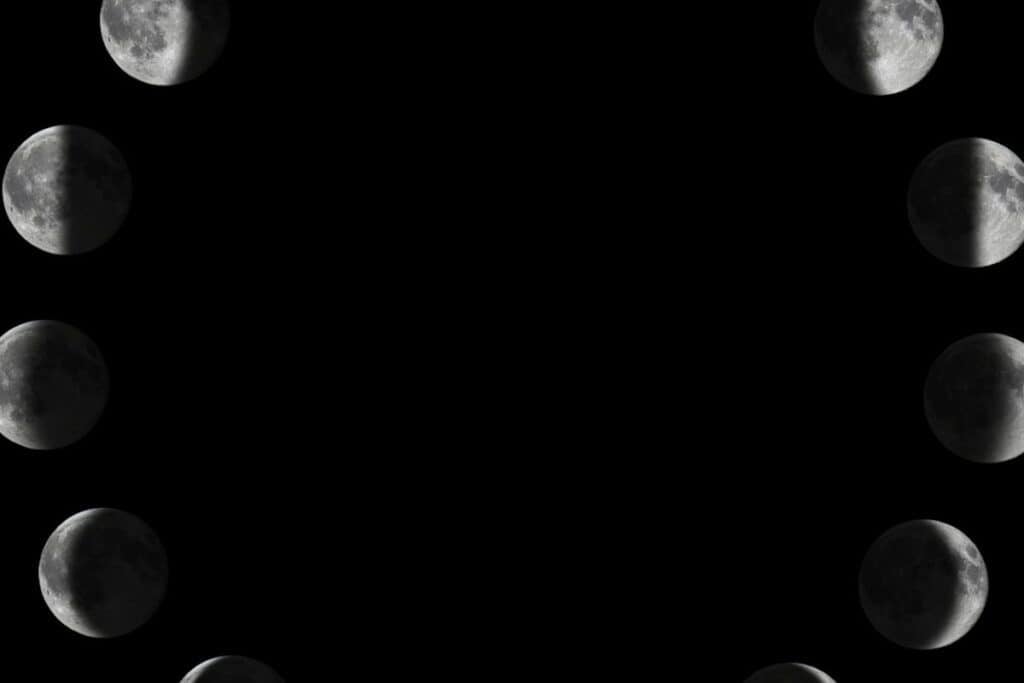
Long before once in a blue moon became a casual expression, it was tied to how humans tracked time; specifically, the moon, the calendar, and the way full moons line up across months and seasons.
Where the Phrase Comes From
Historically, a full moon appears about every 29.5 days. That timing doesn’t line up neatly with the modern calendar month, which is why it’s possible to have two full moons in the same month.
When that happens, the second one is often called a blue moon.
Because this extra moon doesn’t show up often, it became associated with rare occasions. Over time, people began using the phrase once in a blue moon to describe anything that almost never happens in everyday life.
The Role of Almanacs and Calendars
The meaning we recognize today was shaped largely by old almanacs and seasonal moon-counting systems.
In some systems, a blue moon wasn’t the second full moon in a month at all; it was the fourth full moon in a season that normally had only three. This definition helped keep religious calendars aligned with nature.
Later on, a mistaken interpretation published in the 1940s popularized the idea of a blue moon as the second full moon in the same month.
That version spread quickly and stuck, despite being technically incorrect by older rules.
Either way, both definitions point to the same idea: a blue moon is something that doesn’t happen often.
Does a Full Moon Ever Actually Turn Blue?
Here’s where things get confusing.
A moon appearing blue can happen, but it has nothing to do with the idiom. In rare atmospheric conditions, particles like dust, smoke, or ash can scatter blue light, making the moon look faintly blue to the human eye.
These events are extremely uncommon and usually tied to natural disasters or large-scale fires. They’re fascinating, but they’re not the reason we say once in a blue moon.
Situations Where the Phrase Fits
In general, once in a blue moon works best when you want to describe something that happens very rarely in a natural, casual way. The following examples show where it fits best (and where it doesn’t).
Written Use
In writing, once in a blue moon works best when you want to add personality or a conversational tone without sounding informal or sloppy.
It’s especially effective in:
- Blog posts and opinion pieces
- Personal essays or storytelling
- Informal articles and lifestyle writing
- Comments or narrative-style explanations
- Fiction, especially dialogue and internal thoughts
In short, it fits any piece of writing where you want the tone of voice to feel human and relatable.
That said, it’s usually a poor fit for:
- Scientific or data-heavy posts
- Legal or technical documentation
- Situations where exact frequency matters
If you’re not quite sure whether to use it or not, think about your reader. If they expect numbers, timelines, or clearly defined systems, once in a blue moon might be too vague.
Spoken Use
In everyday conversation, once in a blue moon comes up naturally when people are talking about things that almost never happen.
You’ll often hear it between friends, coworkers, or family members because it’s easy, and most people already know what it means.
Unless you’re speaking to someone who’s still learning English, nobody takes the phrase literally. It’s simply a relaxed way to say that something hardly ever happens (not a reference to the sky, the sun, or the actual timing of a full moon).
What Makes Once in a Blue Moon Effective

Saying something is “rare” or “infrequent” gets the point across. But depending on the context, these words can also feel a bit flat (and let’s be honest, boring).
Once in a blue moon, on the other hand, feels a lot more conversational. It’s how real people talk about their lives. And in conversations and writing, it adds warmth, rhythm, and personality without trying too hard.
Pro Tip for Non-Native English Speakers: Using idioms can feel risky if English isn’t your first language.
If you’re struggling to make expressions like once in a blue moon sound natural in your writing or speech, tools like Undetectable AI’s AI Humanizer and AI Stealth Writer can be a massive help!
All you have to do is run your text through the tool, and it will smooth the tone, adjust phrasing, and make the expression flow the way a native speaker would use it.
Real-World Uses of Once in a Blue Moon
Understanding the meaning of once in a blue moon is one thing. But knowing how to use the phrase naturally is what can really elevate your writing.
Here are a few practical examples of how the phrase tends to work in everyday conversation.
Simple, Everyday Examples
Here are a few clean examples that mirror how most people actually talk and write:
- “I only eat dessert once in a blue moon.”
- “She posts on social media once in a blue moon.”
- “I watch live TV once in a blue moon.”
- “We only get a day off like that once in a blue moon.”
- “I hope we get snow, but that only happens once in a blue moon.”
- “We only get access to that feature once in a blue moon.”
- “I only sign into that account once in a blue moon.”
- “It rains like that in July once in a blue moon.”
- “I go to big parties once in a blue moon.”
- “I only print documents once in a blue moon these days.”
- “Unfortunately, the guys only get together once in a blue moon now.”
- “We play that game once in a blue moon.”
- “I only join meetings like that once in a blue moon.”
Smart Usage Tips and Pitfalls
Even a great phrase can lose its impact if it’s misused. Here are a few practical do’s and don’ts to help you use once in a blue moon the right way, especially in writing.
| The Do’s and Don’ts of Using Once In a Blue Moon | |
| Do… | Don’t… |
| Use it only for genuinely rare events. | Overuse it. If everything happens “once in a blue moon”, nothing feels rare. |
| Rely on context and use surrounding sentences to make the meaning obvious. | Over-explain what the phrase means. |
| Read the sentence out loud to check flow. | Force it into a sentence. If it sounds unnatural when spoken, it will feel unnatural to readers, too. |
| Vary phrasing in longer pieces. | Repeat it continuously across the text. Less is more. |
Pro Tip: If you’re using AI to help with writing, tools like Undetectable’s AI Humanizer can help smooth tone, improve sentence flow, and prevent phrases like once in a blue moon from sounding robotic or repetitive.
Experience our AI Detector and Humanizer in the widget below!
Frequently Asked Questions About Blue Moons
What does the once in a blue moon idiom mean?
The idiom once in a blue moon is simply a casual way to say that something happens very rarely. In the English language, people use it to describe things that almost never occur, such as snow in April or finding a good parking spot right away.
What is a second full moon?
A second full moon occurs when two full moons appear in the same calendar month. Because a lunar cycle is about 29.5 days long, this only happens on occasion. When a second full moon does occur, it’s commonly called a “blue moon” under the modern definition of the term.
Can a blue moon happen in February?
No, blue moons do not typically occur in February. Because February is the shortest month, there isn’t usually enough time for it to contain two full moons.
Can a blue moon happen in November?
Yes, a blue moon can occur in November, though it depends entirely on how the full moons fall within the calendar year. Any month with enough days can technically host two full moons, which is why blue moons aren’t tied to a specific season.
Is “once in a blue moon” used in the UK?
Yes. The expression once in a blue moon is widely used in the UK and across the English-speaking world. While usage may vary slightly by region, the core meaning of the phrase remains the same.
Final Thoughts on Using Once In a Blue Moon in Conversation and Writing
There’s a reason once in a blue moon has stood the test of time. It’s simple, memorable, and immediately understood (at least to most English speakers), even if most of us have never stopped to think twice about where it came from.
However, like other idiomatic expressions and sayings, less is always more.
In writing and conversation, that means:
- Use it sparingly for the most impact.
- Let it flow naturally, so it doesn’t feel forced or out of place.
And last but not least, match it to the tone and context, making sure to keep it in more casual, conversational settings where it sounds most natural.
Make sure your writing stays natural and human—use Undetectable AI to refine and humanize your text effortlessly.