Sometimes, we want to say things in a way that sounds cleverer or fancier than usual.
Periphrasis is a rhetorical device that lets us do exactly that. While it may sound like a really difficult concept to grasp, it’s something you might have already used in the past.
Let’s give you a few hints:
The city that never sleeps
The love of my life
The king of the jungle
Instead of saying the name (New York, lion, etc.), you replace it with a phrase that’s longer, more descriptive, or more colorful.
Writers and speakers use this technique to add flavor to what they want to deliver. But if not used right, it can sound like you’re trying too hard.
So what exactly is periphrasis, and when should you use it?
Let’s get started.
Key Takeaways
- Periphrasis, often called “circumlocution,” is a rhetorical device that uses a longer, more descriptive phrase to express an idea that could be stated in a single word.
- Derived from the Greek word for “speaking around,” it serves to add poetic flavor, nuance, or a specific mood to writing that direct language might lack.
- It is commonly used as a diplomatic tool, such as using euphemisms like “passed away” to discuss sensitive subjects with more compassion and less bluntness.
- While effective for creating emphasis or avoiding repetitive vocabulary, overusing periphrasis can lead to wordy, “cluttered” prose that confuses the reader.
- To ensure your descriptive language remains engaging without becoming unnecessarily dense, you can use Undetectable AI to help balance your phrasing for maximum impact.
What Is Periphrasis?
Periphrasis comes from the Greek word “periphrazein,” which means “to speak around.” That’s exactly what it does. Instead of saying something directly, you circle around it with more words.
Periphrasis Definition
The technical definition? It’s a figure of speech where you use a longer phrase to express something that could be said more simply.
Here’s the thing, though. Periphrasis isn’t just about padding your word count to hit that essay requirement your teacher gave you. It serves actual purposes in communication.


Never Worry About AI Detecting Your Texts Again. Undetectable AI Can Help You:
- Make your AI assisted writing appear human-like.
- Bypass all major AI detection tools with just one click.
- Use AI safely and confidently in school and work.
When done right, it adds depth, nuance, or emphasis to what you’re saying.
The difference between periphrasis and just being unnecessarily wordy comes down to intent. Periphrasis is deliberate. Being wordy is usually accidental.
Examples of Periphrasis
Let’s look at some real examples so you can see how it works.
Historical and Literary Periphrasis
Shakespeare loved this device. In Hamlet, instead of saying “death,” he wrote “the undiscovered country from whose bourn no traveler returns.” That’s a lot more poetic than just saying someone died.
Homer frequently employed periphrasis in “The Odyssey.” He called the sea “the wine-dark sea.” He referred to dawn as “rosy-fingered dawn.” These phrases paint pictures instead of just stating facts.
Everyday Periphrasis
You use periphrasis more than you realize. When you say “passed away” instead of “died,” that’s (technically) a euphemism, a type of periphrasis.
When you call your car “my ride” or “my wheels,” you’re doing it again.
Other common examples:
- “The Grim Reaper” for death
- “The beautiful game” for soccer
- “Man’s best friend” for dogs
- “The force of gravity” instead of just “gravity”
Professional Periphrasis
Business writing is full of this. People say “at this point in time” instead of “now.” They write “due to the fact that” when “because” would work fine. Marketing teams call customers “valued partners in our journey” instead of just “customers.”
Academic writing has its own version. Researchers write things like “exhibits a tendency to demonstrate” when they could just say “shows.”
Not all of these examples are good uses of periphrasis. Some are just verbal clutter. We’ll get into that distinction later.
How Periphrasis Is Used in Communication

Periphrasis shows up across different types of communication, each with its own reasons for using it.
In Creative Writing
Fiction writers use periphrasis to set mood and tone. A character who says “the cold embrace of eternal slumber” instead of “death” reveals something about their personality.
They might be overly dramatic, well-educated, or trying to soften the harsh reality.
Descriptive passages benefit from periphrasis, too. “The golden orb sank below the horizon” creates a different feeling than “the sun set.” Neither is wrong. They just accomplish different things.
Poetry relies heavily on this device. Poets avoid direct language to create layers of meaning. They want you to pause and think about the words, not just skim past them.
In Formal Speech
Politicians and public speakers use periphrasis strategically. Saying “we’re experiencing economic headwinds” sounds better than “the economy sucks.” It softens the blow while still communicating the problem.
Euphemistic periphrasis helps people discuss uncomfortable topics. Medical professionals say “passed away” or “we lost them” because it feels more compassionate than bluntly stating someone died.
Legal language is often packed with periphrasis, although it’s typically used for precision rather than style.
“The party of the first part” technically means something specific in a contract, even if it sounds ridiculous to everyday humans.
In Everyday Conversation
You probably use periphrasis when you’re trying to be polite or diplomatic. Instead of saying “you’re wrong,” you might say “I see things a bit differently.” Instead of “that’s ugly,” you say “it’s not really my style.”
Cultural context plays a huge role here. Some cultures value indirect communication and use periphrasis as a sign of respect. Others prefer directness and see roundabout language as dishonest or confusing.
In Digital Communication
Internet culture has created its own forms of periphrasis. Memes and inside jokes often rely on saying something without saying it directly. “Main character energy” instead of “acting self-centered.” “It’s giving…” instead of “this seems like.”
Social media captions use periphrasis to create personality and voice. A brand might say “your new favorite obsession” instead of just naming their product.
Why Writers and Speakers Use Periphrasis
So why bother talking around something when you could just say it directly? There are actually several good reasons.
To Create Emphasis
Longer, more elaborate phrases draw attention. When Martin Luther King Jr. said, “The arc of the moral universe is long, but it bends toward justice,” he could have said, “Things get better eventually.” But that wouldn’t resonate the same.
The extra words force the listener to slow down and pay attention. You’re making them work a little, which paradoxically makes the message more memorable.
To Avoid Repetition
If you’re writing about dogs and you’ve already used the word “dog” five times in one paragraph, calling them “canine companions” or “four-legged friends” provides the reader with some variety.
This matters more in longer pieces. Nobody wants to read the same noun over and over, so periphrasis helps you maintain flow without sounding redundant.
To Add Layers of Meaning
Direct language is clean, but it’s also flat. When you use periphrasis, you can pack in connotations and associations that a simple word doesn’t carry.
Calling someone “the architect of their own downfall” tells us more than just saying “they failed.” It implies deliberate choices, construction, and irony.
To Match Tone and Style
A Victorian novel uses different language than a modern thriller. Periphrasis helps establish the world you’re creating.
Fantasy writers might use elaborate periphrases to make their world feel more mythical. Contemporary fiction sticks to simpler language to feel immediate and real.
Matching your audience’s expectations matters too. Academic writing has certain conventions. So does business communication. Using appropriate periphrasis shows you understand the context.
To Soften or Obscure
Sometimes you need to discuss something sensitive or unpleasant. Periphrasis gives you a way to address topics without being harsh or offensive.
There’s a fine line here, though. Using periphrasis to deliberately confuse or mislead people crosses from rhetoric into manipulation.
Corporate speak that hides bad news behind vague language isn’t clever writing but rather dishonest.
To Create Imagery
“The land of the midnight sun” paints a picture that “Norway” doesn’t. Descriptive periphrases help readers visualize and connect emotionally with what you’re saying.
This works especially well in marketing and advertising. “A chocolate experience” sounds more appealing than “eating chocolate,” even though it essentially means the same thing.
Periphrasis vs. Plain Language
But when does periphrasis enhance your writing, and when does it detract from it?
When Periphrasis Works
Good periphrasis adds something your writing needs. It creates atmosphere, establishes character voice, or makes complex ideas more accessible through familiar comparisons.
If removing the periphrastic phrase would make your writing less effective, you’re using it well. If the indirect language serves your purpose better than direct language would, keep it.
Literary and creative contexts create more room for periphrasis. Readers expect and enjoy elaborate language in certain genres. A fantasy epic should sound different than an instruction manual.
When Plain Language Is Better
Technical writing needs clarity above all else. If you’re explaining how to use software or describing a medical procedure, skip the fancy phrases. Just say what you mean.
Business communication usually benefits from directness, too. Your coworkers don’t need you to call the meeting “a collaborative ideation session.” It’s just a meeting.
Academic writing walks a fine line. You need precision, and sometimes that requires longer phrases. However, academic writing also has a tendency to use ten words where three would suffice. Fight that instinct.
The Readability Factor
Multiple studies have shown that simpler language reaches a wider audience. If your goal is maximum understanding, plain language beats elaborate periphrasis every time.
But readability isn’t always the only goal. Sometimes you’re writing for style, pleasure, or artistic expression.
In those cases, prioritize what serves your creative vision.
Ask yourself: who’s my audience, and what do they need? A blog post for general readers needs clearer, more direct language than a piece of literary fiction.
Common Mistakes When Using Periphrasis
Even experienced writers mess up periphrasis use sometimes. Here are the biggest pitfalls.
Mistake 1: Using It to Sound Smart
Writing “utilize” instead of “use” doesn’t always make you sound more intelligent. Sometimes, it makes you sound like you’re trying too hard.
The same goes for phrases like “in order to” (just say “to”), “for the purpose of” (say “for”), or “in the event that” (say “if”). These add length without adding meaning.
Your readers will naturally gravitate toward simple language. They’ll respect clear communication more than they’ll be impressed by unnecessarily complex phrasing.
Mistake 2: Obscuring Your Actual Meaning
Some writers use so much periphrasis that readers can’t figure out what they’re actually saying. This happens a lot in corporate communication and academic writing.
If someone has to read your sentence three times to understand it, it’s missing the mark. Complexity for its own sake isn’t helpful.
Good periphrasis clarifies or enriches meaning. Bad periphrasis hides it.
Mistake 3: Mixing Registers Awkwardly
You can’t drop elaborate Shakespearean periphrasis into modern casual writing and expect it to work. The tonal shift will jar your readers.
Consistency matters. If you’re writing in a contemporary voice, your periphrases should also feel contemporary. Match your stylistic choices to your overall tone.
Mistake 4: Overusing It
One or two well-placed periphrastic phrases can enhance your writing. Fifteen of them in one paragraph becomes exhausting to read.
Use periphrasis in moderation and let your writing breathe. Not every noun needs a fancy alternative.
Making Sure Your Writing Sounds Natural
Undetectable AI’s AI Humanizer becomes useful when you’re revising and want to make sure your periphrases sound like something a real human would actually say.
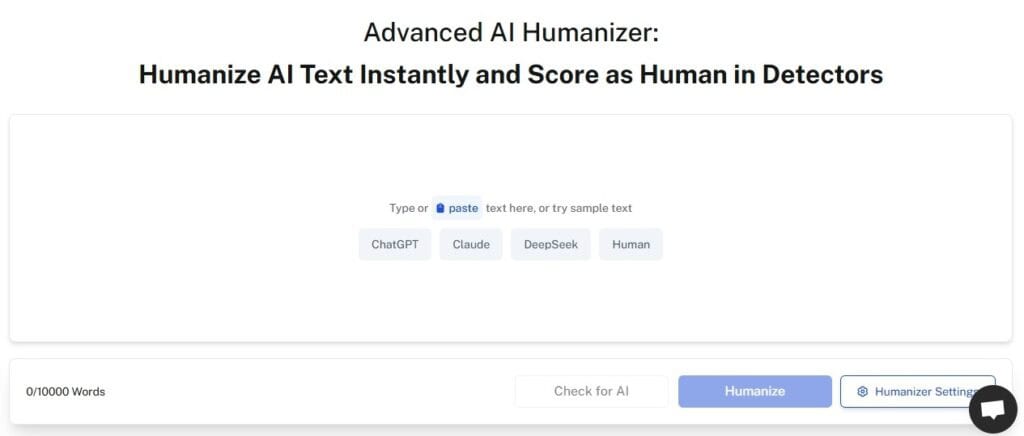
Stiff, awkward phrasing that technically qualifies as periphrasis still reads poorly. The goal is natural-sounding language that enhances rather than distracts.
Running your work through a humanizer can help catch phrases that sound artificial or overly complicated.
The best periphrasis feels effortless, like it’s the most natural way to express that particular idea. If it feels forced, it probably is.
When Fewer Words Just Won’t Do
Periphrasis is one of those rhetorical devices that works best when you barely notice it’s there. Used skillfully, it adds color, nuance, and personality to your writing.
Used poorly, it just makes you sound pretentious or unclear.
The key is understanding your purpose and audience. Literary fiction has different needs than business emails. Poetry follows different rules than technical documentation.
Remember that good writing communicates clearly first and stylishly second. If your elaborate phrase confuses more than it clarifies, simplify it.
Want to ensure your writing strikes the right balance between creative flair and natural readability? Try Undetectable AI’s AI Humanizer to refine your periphrasis and make sure your language sounds authentically human.
Ensure your writing stays clear and human—enhance it with Undetectable AI.