
Our brain is like a lazy supercomputer. It hates reading long, complicated descriptions.
Who wants to read a 20-word sentence about “water so frigid that it instantly numbs your skin and sends shockwaves down your spine” when you can compare it to a freezer?
Our brain craves that shortcut.
If I spend two paragraphs describing the temperature, your brain gets bored and skims the text.
But if I simply say, “It was cold as ice,” the brain will wake up, and trigger the physical sensation of freezing.
This mental shortcut is called a Simile. What is a Simile?
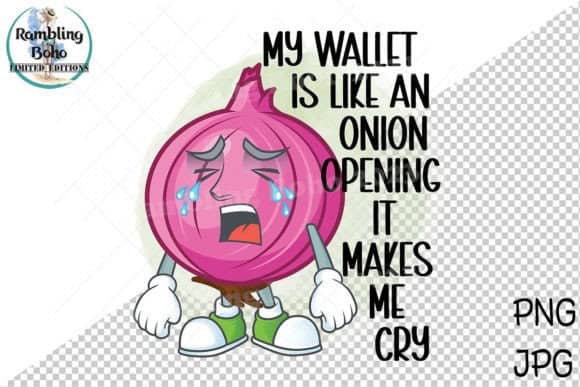
We’ll find out in this blog. We will explore the simile meaning, break down what is a simile, and look at its purpose.
We will also cover tips for writing effective comparisons and analyze famous simile examples that have stood the test of time.
Let’s dive in.
Key Takeaways
- A simile is a comparison using “like” or “as,” acting as a bridge between two unlike things to create vivid imagery.
- Similes work like mental zip files, which allow the brain to process complex sensory data instantly through pattern recognition.
- Simile vs Metaphor. While a simile politely suggests similarity (A is like B), a metaphor boldly claims identity (A is B).
- From marketing slogans to comedy routines and daily communication, similes are used to create memorable experiences.
- Avoid clichés (“busy as a bee”) and forced comparisons. Use tools like Undetectable AI’s AI Humanizer to ensure your writing flows naturally.
What Is Simile?
What is a simile exactly?
Simile is the bridge of the language world.
At its core, a simile definition is simple: it is a figure of speech that compares two unlike things using the words “like” or “as.”


Never Worry About AI Detecting Your Texts Again. Undetectable AI Can Help You:
- Make your AI assisted writing appear human-like.
- Bypass all major AI detection tools with just one click.
- Use AI safely and confidently in school and work.
It doesn’t just say what something is. It tells you how it feels or looks by borrowing traits from something else.
- Without Simile: He was very fast. (Just a fact.)
- With Simile: He ran like a greased lightning. (Now you see the speed.)
To build a simile, we need three specific components:
Subject + (Like/As) + Comparator = Simile
Let’s plug a sentence into this formula to see the simile meaning in action:
“Her voice was as smooth as silk.”
| Subject | Connector | Comparator |
| The thing you are describing. | The glue that holds the comparison together. | The known object you are borrowing traits from |
| → Her voice | → As | → Silk |
Understanding Simile
Similes are often confused with metaphors which have completely different anatomy and impact.
Let’s understand the simile vs metaphor difference:
| Simile (Explicit) | Metaphor (Implicit) |
| It is a polite comparison. It acknowledges that A is similar to B, but they aren’t the same thing. It keeps a safe distance. | It is a bold, direct equation. It claims A is B. |
| Example: Life is like a box of chocolates. | Example: Life is a highway. |

Here is how the brain decodes simile examples in real-time.
It starts with the Subject (the thing you are talking about), hits the Connector (which acts as a signal to switch modes), and finally lands on the Reference Point (the image you already know).
Let’s understand the working with this specific example:
- Example: Her voice was like broken glass.
- The Subject (The Unknown): Your brain reads “Her voice,” and creates a blurry mental image. You know what we are talking about, but you don’t know how it sounds yet. It’s neutral.
- The Connector (The Trigger): You hit the word “like.” It prepares to transfer meaning.
- The Reference Point (The Anchor): Your brain hits “broken glass.” It instantly accesses its database for glass. It pulls out specific traits (like sharp, jagged, cutting, painful) and pastes them onto “Her voice.”Now, you can “hear” the pain.
Now, why does simile meaning work so well?
Because the human brain is lazy, and it loves efficiency.
A simile is like a mental zip file. It compresses a massive amount of sensory data into a tiny packet.
- The Long Way: The water was extremely cold, to the point where it hurt my skin and numbed my toes. (Brain has to process 19 words).
- The Simile Way: It was cold as ice. (Brain processes 4 words).
When you read those four words, your brain unzips the file and triggers the physical sensation of freezing.
Purpose of Using Similes
By now, you probably get it. Similes aren’t fancy decorations for your sentence, they can be used to solve specific communication problems.
Here are the 2 main reasons why understanding what is a simile is essential:
- Because They Simply Stating The Emotions
The biggest headache in writing is describing something you can’t touch, like an emotion.
Abstract words hard to hold onto. Concrete words have weight and texture.
- The Problem: If you just write, “He felt sadness,” the reader gets the logic, but they don’t feel anything. Sadness is too vague.
- The Simile Solution: But if you say, “The sadness settled on him like a wet blanket,” Boom.. the reader immediately feels the weight, the dampness, and that suffocating pressure.
Similes translate invisible concepts into physical sensations that the reader can feel.
- Because They Act Like Mental Glue
When writing triggers our senses (sight, sound, touch), it stays in our memory longer.
A boring sentence slides right off the brain like water off a duck’s back. But a sensory simile sticks like superglue.
When you engage the five senses, you simulate that experience. The reader remembers the feeling of the text long after they have forgotten the specific words.
Now, let us ask you…
Are you stuck?
You know what you want to say, but you can’t find the right comparison. You don’t want to use an old cliché, but your brain is blank.
This is where the Undetectable AI’ s AI Essay Writer acts as the perfect brainstorming partner.
With this, you don’t have to settle with the boring sentence. You can feed the concept into the AI, and it will give you vivid options to clarify your meaning.
- Input: The room was quiet.
- AI Suggestion A: Quiet as a library after closing time.
- AI Suggestion B: Quiet like a held breath.
You pick the one that fits your vibe, and just like that, writer’s block is gone.
Generate Vivid Ideas with AI Essay Writer
Similes in Practice
Let’s see how different industries use simile examples to stick in your brain.
- In Marketing
Advertisers love similes because they let brands borrow the qualities of something you already know and trust.
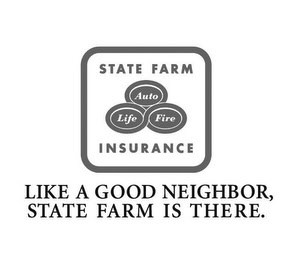
- State Farm: It borrows the safety you feel with a neighbor and pastes it onto an insurance company.
- Chevrolet: It tells you the truck is solid, unbreakable, and lasting.

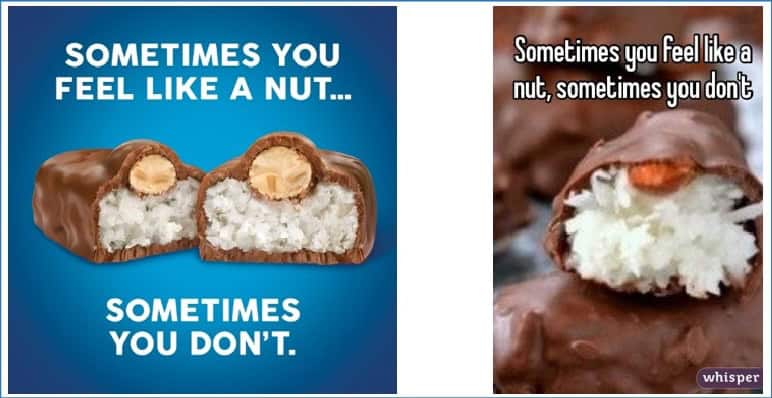
- Almond Joy: It turns a snack choice into a personality trait.
2. In Comedy
Comedians rely on similes to create ridiculous visual images that make the audience laugh instantly.
Examples:
- He looked confused like a dog watching a magic trick.
- That helps about as much as a screen door on a submarine.
- I was sweating like a sinner in church.
- In Daily Communication
We use them all the time to explain technical stuff to non-experts or to describe chaos quickly.
Examples:
- Bandwidth is like a water pipe.
- Think of the cloud like a giant rental storage unit for your files.
- Running around like a headless chicken.
- In Song Lyrics
Musicians use similes to make a feeling catchy, so you can’t get the chorus out of your head.
Examples:
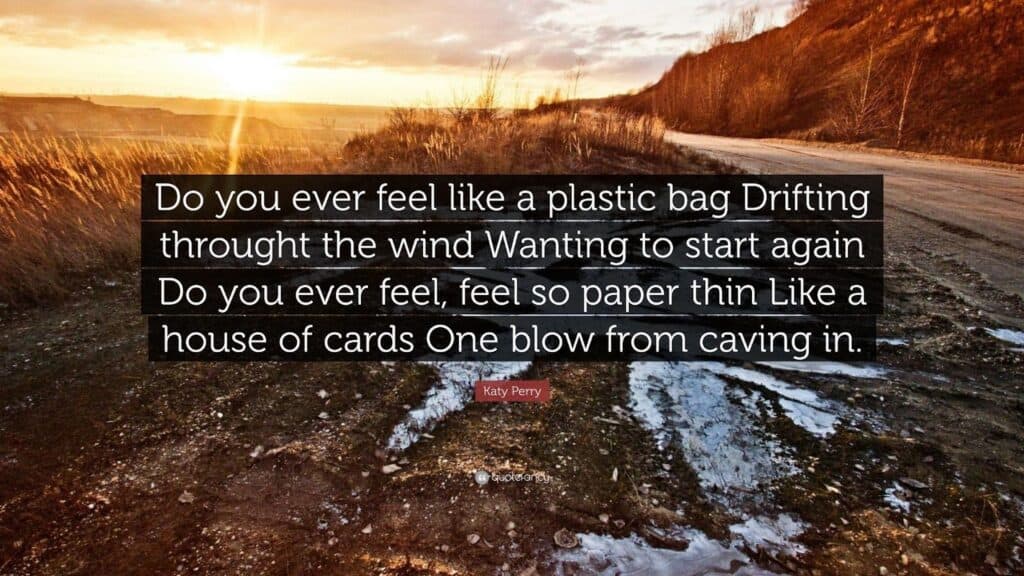
- Katy Perry: She captures the feeling of being empty, aimless, and tossed around by life.
- Miley Cyrus: It describes a love that was destructive, heavy, and impossible to stop.
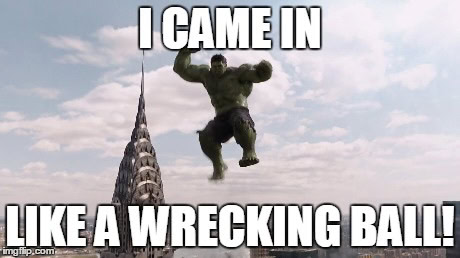
5. In Sports
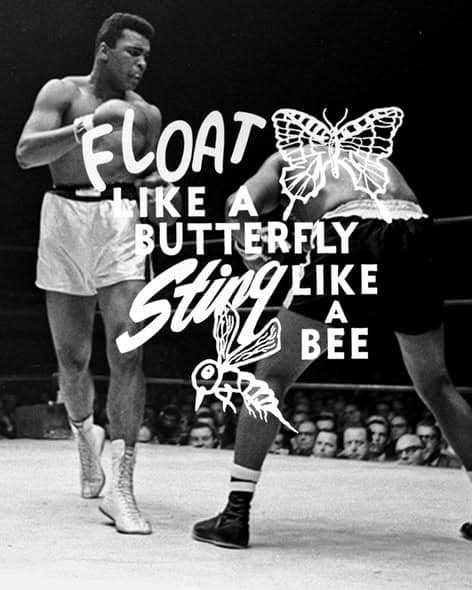
Commentators and athletes use similes to turn a regular game into a legendary story.
- Muhammad Ali: It describes a fighting style that is graceful yet dangerous.
- The Defense: The goalie was like a brick wall today.
- The Fatigue: The players are dropping like flies out there.
Mistakes to Avoid with Similes
Similes are like salt. A pinch makes the meal perfect, but if you dump the whole shaker in, you ruin the dish.
Here are the 4 most common mistakes that change the simile meaning:
- Avoid The Cliché Trap
We have all heard phrases like “busy as a bee” or “white as snow” a million times. The problem is that they are so common, they have lost their power.
When a reader sees a cliché, their brain goes on autopilot. It skips right over the words because it already knows the pattern.
- The Cliché: He was sly as a fox.
- The Fix: He was sly as a politician during an election year.
- Don’t Make Forced Comparisons
Sometimes, writers try so hard to be unique that they end up making no sense. They don’t understand the logic between the subject and the object.
- The Mistake: Her smile was like a chaotic spreadsheet.
- Spreadsheets are stressful and confusing. Smiles are usually warm and welcoming. This comparison doesn’t clarify anything.
- The Rule: If the reader has to pause and puzzle it out, the simile has failed.
3. Avoid Overloading The Similes
Imagine trying to eat a cake made entirely of frosting. It’s too much sugar, and it makes you sick.
Similarly, using 3-4 similes in a single paragraph exhausts the reader.
- The Mistake: He stood there tall like a tower, his eyes burning like fire, and his hands shaking like leaves.
- You are asking the reader to visualize a tower, a fire, and leaves all in two seconds. It’s a mental traffic jam.
- The Fix: Pick the one strongest image and stick with it.
4. Don’t Do Mixed Comparisons
This happens when you start with one image and switch to a completely different one mid-thought.
- The Mistake: He roared like a lion and slithered out of the room.
- Lions don’t slither, snakes do. By mixing the animals, you create a weird, impossible mental image.
- The Fix: Keep your imagery consistent. If he roars, let him stomp. If he slithers, let him hiss.
Tips for Effective Similes
Writing a simile is easy. Writing a great simile takes a little bit of strategy because it can impact the simile meaning.
Follow these four rules to write effective similes:
- Add The Unexpected Factor
The best similes surprise the reader.
If you use the first comparison that pops into your head, it’s probably a cliché. Dig deeper.
- The Boring Way: It was hot as fire.
- The Interesting Way:It was hot as a stolen tamale.
- It’s specific, it has personality, and it implies a frantic, burning kind of heat. It tells a story.
- Use Specificity
Vague words create vague pictures. Specific words create high-definition images.
Don’t just use a generic noun, use a specific version of that noun.
- The Average: His words were sharp like a knife.
- Okay, but what kind? A butter knife? A rusty pocket knife?
- The Pro:His words were sharp like a surgeon’s scalpel.
- Now we know exactly what kind of sharp it is.
- Read the Room
A simile creates a mood. You have to make sure that mood matches the scene you are writing.
- The Mistake:He cried tears of grief like a toddler who dropped his ice cream.
- This ruins the tragedy. It makes the grief seem childish and silly.
- The Fix: He cried tears of grief like rain on a funeral procession.
- Now the tone matches. It is heavy, sad, and relentless.
- Know Your Crowd
Remember the formula: Subject + Like + Comparator.
The comparator only works if the audience knows what it is. If the reader has to Google your reference, the simile has failed.
- If writing for Gen Z: Don’t use a reference to a typewriter or a floppy disk. They might not get the click/save noise reference.
- If writing for a global audience: Avoid local sports references (like Cricket or Baseball) that half the world won’t understand. Stick to universal experiences (weather, food, nature).
Famous Examples of Simile
Here are five high-impact simile examples that hit the nail on the head.
- William Shakespeare
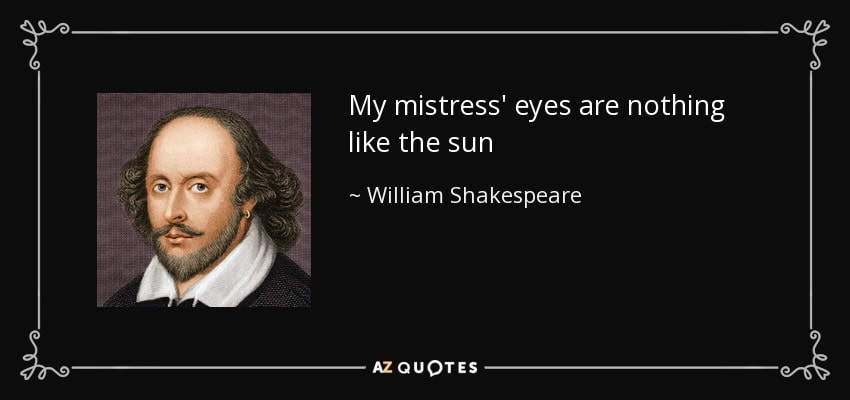
Usually, poets compare women to divine things (stars, sun, angels). Shakespeare does the opposite. By saying she is not like the sun, he paints a picture of a real, flawed human woman.
2. Forrest Gump

Everyone knows that feeling of biting into a chocolate and getting the gross coconut one. It explains the unpredictability of life.
3. Robert Burns
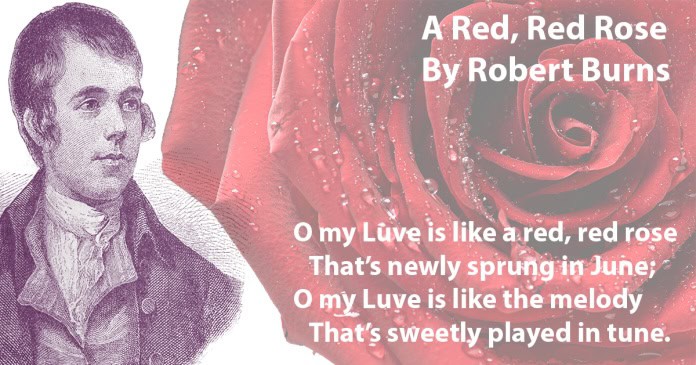
It hits multiple senses. You see the vibrant color (red) and you smell the freshness. It implies that his love is beautiful and alive, but also delicate because roses don’t last forever.
4. F. Scott Fitzgerald
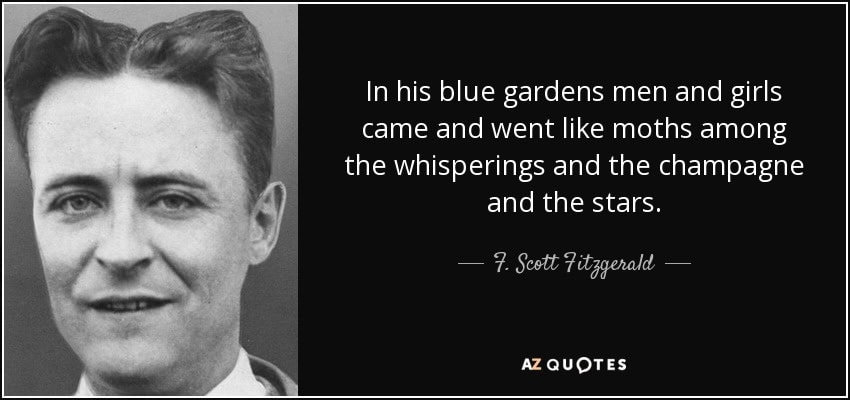
Moths are blindly attracted to light. By comparing the party guests to moths, Fitzgerald tells us they are just shallow creatures drawn to Gatsby’s fame, not his friendship.
Here is a common problem…
You ask an AI to write a simile, and it gives you a simile definition and simile example that is mathematically correct but emotionally dead.
It’s because sometimes, AI writing lacks flow. It feels stiff, like a textbook definition rather than a natural conversation.
This is where the Undetectable AI’s AI Humanizer comes in. It ensures that your similes sound smooth, natural, and contextually appropriate.
It creates the vibe of a real writer, ensuring your comparisons land softly instead of clunking onto the page.
Make Your Writing Flow Naturally
Discover our AI Detector and Humanizer in the widget below!
Final Thoughts
So, do you finally feel like you have learned enough about what is a simile?
Hopefully, this guide stuck with you like a catchy song lyric.
We have broken down the simile definition, looked at the brain science, and explored enough simile examples to fill a library.
The goal isn’t just to compare two things, it is to paint a picture so vivid that your reader can’t look away.
So, go ahead. Be bold. Be specific.
And whatever you do, please don’t be “as busy as a bee.” You can do better than that.
Keep your comparisons clear and authentic with Undetectable AI.