
Have you ever been typing away, describing an amazing journey, only to pause and stare at the screen? You type “traveling,” and it looks right.
Then you add an extra L to make it “travelling,” and that looks right too. It can feel awkward when you aren’t sure which spelling to use, especially if you are writing for a professional audience. You might even wonder if one spelling is completely wrong.
Here is the thing: both spellings are completely correct. The confusion usually stems from the fact that English spelling rules vary depending on where you are in the world.
If you are writing for readers in the United States, you will typically see one spelling, while readers in the United Kingdom, Australia, and Canada expect the other.
It’s a common issue that trips up many writers. Students writing essays, a teacher grading papers, and professionals drafting emails can all run into this same spelling dilemma.
In this post, we will break down the question of travelling or traveling, explain the rules behind the double L, and give you practical explanations to make sure you are always using the right version for your audience.
Let’s clear up the confusion so you can get back to writing with confidence.
Key Takeaways
- The correct spelling depends entirely on your audience: “traveling” is the preferred spelling in American English, while “travelling” is standard in British English.
- Both forms are correct and mean exactly the same thing; the difference comes down to regional spelling rules regarding the double consonant.
- The double L rule applies to related words as well, meaning you will see “traveler” in the US and “traveller” in the UK.
- Using AI tools can help you maintain consistency and verify that you are using the right variant for your target readers.
What Do Travelling and Traveling Mean
Before we get into the spelling rules, let’s clarify what these words actually mean. Both “travelling” and “traveling” are forms of the verb “travel.”
They function as either the present participle (as in, “I am traveling”) or a gerund (as in, “Travelling is my favorite hobby”).
Definition and context
The meaning of the word doesn’t change regardless of how you spell it. Whether you use one L or two L, the word refers to the act of moving between places over a significant distance.


Never Worry About AI Detecting Your Texts Again. Undetectable AI Can Help You:
- Make your AI assisted writing appear human-like.
- Bypass all major AI detection tools with just one click.
- Use AI safely and confidently in school and work.
You might be taking a boat across the ocean, flying to Europe, or taking a long road trip with your kids. The context remains exactly the same. The only difference is the spelling, which is tied to regional variations in the English language.
Travelling vs Traveling in English Usage
The main reason we have two different spellings for the same word comes down to geography. The correct spelling depends entirely on which version of English you are using.
The debate over travelling or traveling is ultimately a regional one, and understanding that context makes the whole thing a lot less confusing.
Travelling = British English (double “l”)
If you are writing in British English, “travelling” with a double L is the standard spelling. This rule applies in the UK and in other countries that follow British spelling conventions, such as Australia and Canada.
In these regions, the double L rule dictates that when a word ends in a vowel followed by an L, you double the consonant before adding a suffix like “-ing” or “-ed.” This is why you will also see words like “travelled” and “traveller” spelled with two Ls.
Traveling = American English (single “l”)
On the other hand, “traveling” with a single L is the preferred spelling in American English.
The American simplification of spelling is largely attributed to Noah Webster, the creator of the Merriam Webster dictionary, who aimed to make English spelling more logical and phonetic.
According to American rules, you only double the final consonant if the stress falls on the final syllable of the root word. Since the first syllable of “travel” is stressed, the L is not doubled.
This is why you will see “traveled” and “traveler” used consistently in the US.
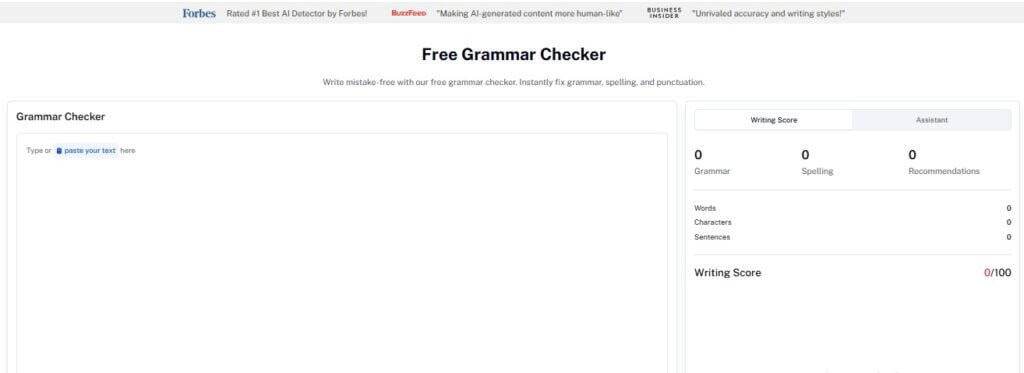
Pro Tip: If you are ever unsure which version to use, Undetectable AI’s Grammar Checker can instantly spot inconsistencies and verify you are using the correct spelling based on your chosen English style.
Why the Spelling Changes
The spelling difference between British and American English is a fascinating piece of linguistics. Once you understand the rule, the travelling or traveling question becomes much easier to answer.
As mentioned earlier, Noah Webster decided to simplify many American spellings to make them more phonetic and distinct from British English. This is the same reason we see differences like “colour” versus “color” or “labelling” versus “labeled”.
In British English, the rule is generally to double the final L when adding a suffix to any verb ending in a vowel followed by an L. American English, however, takes a different approach.
The American rule states that you only double the final consonant if the stress is on the final syllable.
Because the stress in “travel” is on the first syllable, the L remains single. This logic makes more sense when you look at other words; for example, “compel” becomes “compelling” because the stress is on the second syllable.
The spelling depends entirely on your audience, and both forms are widely accepted. The key is to pick one and stick with it throughout your document.
Examples of Travelling and Traveling in Sentences

To help make things clearer, let’s look at some examples of how to use both forms correctly in a sentence.
| Form | Example Sentence |
|---|---|
| Traveling (American) | She is traveling to New York for a business conference next week. |
| Traveler (American) | My brother has always been an avid traveler. |
| Travelled (British) | We travelled through three different countries during our summer vacation. |
| Travelling (British) | They are travelling to London for the holidays. |
| Traveller (British) | The seasoned traveller always packs light. |
If you find yourself struggling to mix up your sentence structures while maintaining the correct spelling, Undetectable AI’s Rewording Tool can help generate sentence variations using both spellings naturally.
Using AI to Improve Writing Consistency
Keeping track of regional spelling differences can be tricky, especially if you write for an international audience. It’s important to choose one spelling and use it consistently throughout your document.
Mixing American and British spellings can make your writing look unprofessional and confuse your readers.
When writing research articles, drafting a message for a bachelor party in August, or trying to tap into a Canadian audience, you must take into account the adjectives and past tense verbs you use. Ultimately, consistency is key.

Fortunately, you don’t have to wait for a researcher or editor to fix your work. Using Undetectable AI’s AI Paragraph Generator can help you create clear, well-structured paragraphs that automatically use the correct spelling for your target audience.
Additionally, running your text through the Undetectable AI’s AI Detector can help identify any inconsistencies in your spelling usage, verifying your final message is polished and professional.
Give the AI Detector and Humanizer a try right below!
Frequently Asked Questions About Travelling or Traveling
Is it travelling or traveling?
Both spellings are correct. “Traveling” is the standard spelling in American English, while “travelling” is the preferred spelling in British English and other Commonwealth countries.
Why does British English use two Ls?
British English generally follows a rule where the final L is doubled when adding a suffix to a verb ending in a vowel followed by an L, regardless of which syllable is stressed.
Does Canada use traveling or travelling?
Canada typically follows British spelling conventions, so “travelling” with a double L is the correct spelling there.
Is traveler spelled with one L or two?
Like the verb forms, “traveler” is spelled with one L in American English and “traveller” with two Ls in British English.
Can I use both spellings in the same article?
No, it’s best to choose one spelling based on your target audience and use it consistently throughout your writing to maintain a professional tone.
Final Thoughts on Choosing the Right Spelling for Your Audience
Navigating the differences between American and British English can sometimes feel like a journey of its own. Whether you are writing a blog post, an academic paper, or a simple email, knowing your audience is the key to choosing the right spelling.
By understanding the rules behind the double L and using the right tools to maintain consistency, you can verify your writing is always clear, professional, and perfectly tailored to your readers.
Use Undetectable AI to keep your spelling consistent, accurate, and tailored to your audience with ease.