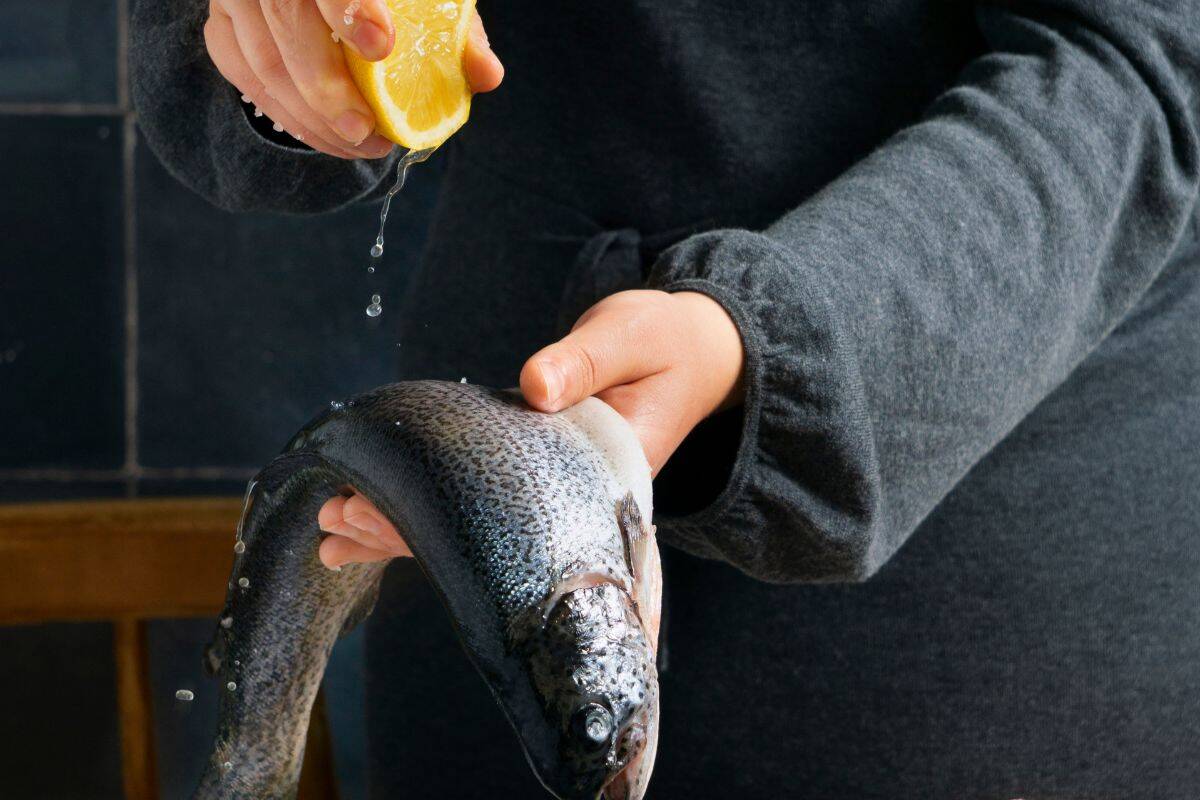
Have you ever been stuck arguing about where to hang a picture frame while your house is literally on fire?
Okay, maybe not literally.
But we’ve all been there, obsessing over tiny details while massive problems loom in the background.That’s exactly what “bigger fish to fry” is all about.
According to language research from the Oxford English Dictionary, this idiom has been around since the 1660s, and honestly? It’s more relevant now than ever.
In a world where we’re bombarded with 5,000+ marketing messages daily, knowing which “fish” deserves your attention isn’t just helpful, it’s survival.
And you know what’s crazier?
A recent study found that the average person checks their phone 58 times per day, spending 6 hours and 38 minutes on their device.
That’s a lot of small fish distracting us from the catches that actually matter.
But here’s the thing.
How do you know when something’s truly a “bigger fish”? What’s the difference between strategic prioritization and just avoiding uncomfortable tasks?
And when does using this phrase make you sound dismissive instead of focused?
In this blog, we’ll explore what “bigger fish to fry” really means, when to use it (and when not to), common mistakes people make with this idiom, and real-life examples that’ll make the concept click.
Let’s dive in.
Key Takeaways
Before we dive deep, here’s what you need to know about “bigger fish to fry”:
- The core meaning: You have more important matters demanding your attention right now.
- When it works: Prioritizing critical tasks, declining low-value requests, redirecting wasted energy.
- When it backfires: Dismissing legitimate concerns, avoiding difficult conversations, appearing arrogant.
- Modern relevance: In our attention-economy era, this 350-year-old phrase is your permission slip to focus on what truly moves the needle.
Understanding “Bigger Fish to Fry”
Let’s break down what this idiom actually means, and why it’s stuck around for over three centuries.
Meaning Explained.
“Bigger fish to fry” means you have more important or pressing matters to deal with than whatever’s currently being discussed.
Think of it like this:


Never Worry About AI Detecting Your Texts Again. Undetectable AI Can Help You:
- Make your AI assisted writing appear human-like.
- Bypass all major AI detection tools with just one click.
- Use AI safely and confidently in school and work.
If you’re a fisherman with limited time and your goal is feeding your family, would you spend all day catching minnows?
Or would you focus your energy on landing the bass, trout, or salmon that actually provides a substantial meal?
The idiom works because it acknowledges that yes, smaller tasks exist, but your resources (time, energy, attention) are finite.
You’re not saying the small stuff doesn’t matter at all. You’re saying it doesn’t matter right now compared to your bigger priorities.
Here’s where it gets interesting, though.
The phrase carries an implicit judgment call.
When you say “I’ve got bigger fish to fry,” you’re making a deliberate choice about value and urgency. You’re declaring that Task A deserves your focus while Task B can wait, be delegated, or maybe even ignored entirely.
Some people prefer saying “I have bigger fish to fry” or “I have a bigger fish to fry” when talking about a single major priority, but both variations communicate the same core message about strategic focus.
According to research from the American Psychological Association, decision fatigue, the deteriorating quality of decisions after a long session of decision-making affects everyone.
We make roughly 35,000 decisions per day, and most drain our mental resources without moving us forward.
That’s where “bigger fish to fry” becomes powerful. It’s not just a dismissive phrase; it’s a mental framework for cutting through noise.
The idiom essentially asks: Does this deserve my limited cognitive bandwidth right now, or do I have more impactful work waiting?
And honestly? In our distraction-saturated world, that’s a question worth asking constantly.
Bigger Fish to Fry: Common Examples
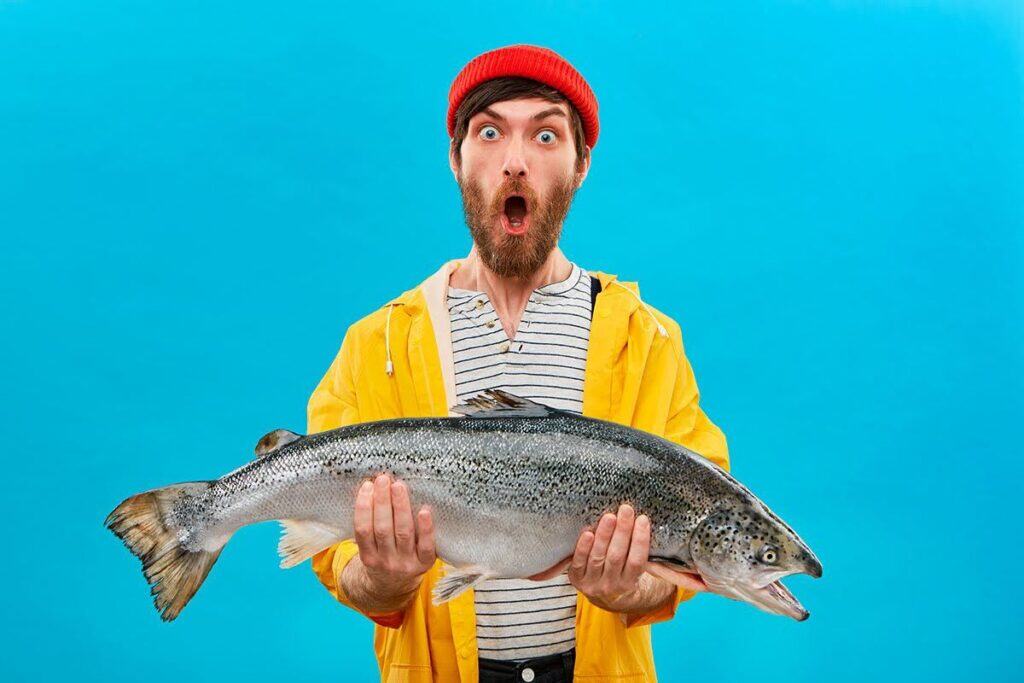
The beauty of this idiom is how it shows up everywhere, from boardrooms to family dinners.
Let’s look at scenarios where you’d actually use it.
1. Workplace Prioritization
Your colleague wants to spend an hour debating which font to use in the quarterly report.
Meanwhile, your presentation to potential investors is tomorrow, and it’s only half-finished.
You might say: “I appreciate the attention to detail, but I’ve got bigger fish to fry right now, this investor pitch could determine our funding for the next year.”
And they would be impressed instantly. Just give it a try.
2. Personal Management
Your friend texts you a screenshot of a mildly annoying comment someone made on social media, expecting you to analyze it for the next 30 minutes.
But you’re in the middle of studying for a certification exam that could boost your salary by $15,000 annually.
Your response: “I hear you, but honestly, I’ve got bigger fish to fry. This exam is on Friday and I need to focus.”
3. Business Strategy Decisions
A startup founder obsesses over their logo design for weeks while their product has zero paying customers.
A mentor might intervene: “Your branding matters eventually, but right now you’ve got bigger fish to fry, you need to validate that people will actually pay for what you’re building.”
And if you’re fond of listening to your favourite singers, then you might know about this.
Brad Paisley also released a song titled “Bigger Fish to Fry” on his 2007 album 5th Gear, performed with The Kung Pao Buckaroos, which playfully uses the phrase but ties more to his fishing-themed humor.
Want to identify your own “bigger fish”?
Try this:
List everything demanding your attention this week.
Now ask yourself, which three tasks, if completed successfully, would make everything else easier or irrelevant? Those are your bigger fish.
Everything else? Smaller fish that can wait, be delegated, or swim away entirely.
The key isn’t ignoring smaller tasks forever, but it’s all about strategic timing and resource allocation.
You can also try an interactive exercise using Undetectable AI’s AI Chat:
Ask it to help you list everything demanding your attention this week, then have it guide you through a prioritization conversation.
Our AI Chat can serve as your accountability partner, helping you identify patterns in how you spend time versus where your actual priorities lie.
When to Use “Bigger Fish to Fry”
Knowing when to use this phrase is just as important as understanding what it means.
Use it wrong, and you sound arrogant. Use it right, and you sound strategically focused.
Perfect Situations for This Idiom:
1. Declining Low-Value Requests – When someone asks you to attend a meeting that doesn’t require your input, or participate in a committee that won’t advance your goals, this phrase communicates boundaries without being rude.
Example: “I’d love to help with the office party planning, but I’ve got bigger fish to fry with this product launch next month.”
2. Redirecting Unproductive Debates – According to research from Harvard Business Review, the average employee spends 23% of their workday on email and internal communications.
Much of that? Low-value back-and-forth that feels urgent but isn’t important.
When a discussion spirals into minutiae, this idiom refocuses energy: “We could debate this color scheme for another hour, or we could acknowledge we’ve got bigger fish to fry: like finalizing our go-to-market strategy.”
3. Personal Boundary Setting – Sometimes people want to drag you into gossip, petty conflicts, or drama that doesn’t concern you.
This phrase is your diplomatic exit.
“I’m staying out of that situation, I’ve got “bigger fish to fry” signals you’re not engaging without explicitly judging those involved.
Want your communication to sound natural and relatable?
Here’s where tone matters.
The difference between sounding strategic and sounding dismissive often comes down to delivery.
Try pairing the idiom with empathy: “I totally understand why that matters to you, and normally I’d dig into it, but right now I’ve got bigger fish to fry with [specific priority].”
This validates the other person while still protecting your focus.
That’s the sweet spot.
And the interesting part?
Our tools like AI Humanizer become invaluable in this situation.
If you’re crafting emails, messages, or responses and want them to sound naturally conversational rather than stiff or robotic, AI Humanizer can help refine your language.
Common Mistakes Using the Idiom
Even a simple phrase can backfire if you’re not careful.
Here’s where people go wrong with “bigger fish to fry”, and how to avoid sounding like a jerk.
Mistake #1: Using It to Avoid Difficult Conversations
Some people weaponize this idiom to dodge accountability.
Your boss asks about a missed deadline, and you respond, “I’ve got bigger fish to fry than explaining every little delay.”
Ooppsss.
That’s not prioritization, that’s deflection.
The fix?
Never use this phrase to escape responsibility for your own commitments. It’s for declining new requests or redirecting other people’s energy, not avoiding consequences.
Mistake #2: Dismissing Legitimate Concerns
Your partner expresses frustration about household responsibilities, and you reply, “I’ve got bigger fish to fry at work right now.”
Congratulations, you just communicated that their concerns don’t matter.
Even if you’re genuinely overwhelmed, this phrasing makes you sound arrogant and uncaring.
The fix?
Replace with: “You’re absolutely right, and this matters. Can we schedule time this weekend to sort this out? I’m slammed with [specific work crisis] through Friday.”
Mistake #3: Overusing It as a Humble Brag
“Sorry, can’t make coffee, bigger fish to fry with my investors.” “Can’t help with that project—bigger fish to fry with my book deal.”
If you use this phrase constantly, you’re not communicating focus, you’re advertising how important you think you are.
According to organizational psychologist Adam Grant, chronic prioritization signaling can damage relationships and trust.
People stop viewing you as strategically focused and start seeing you as self-important.
The fix?
Use sparingly and specifically. When you do use it, be concrete about why something else takes priority.
Mistake #4: Confusing Urgency With Importance
Just because something feels urgent doesn’t make it a “bigger fish.”
Responding to every email immediately feels productive, but writing that business proposal? That’s actually important.
The Eisenhower Matrix (popularized by Stephen Covey’s The 7 Habits of Highly Effective People) helps here:
Important-Urgent tasks are your bigger fish. Everything else can wait.
So, you need to avoid all these mistakes if you want to feel genuine.
Importance of Bigger Fish to Fry
Why does this 350-year-old idiom still matter?
Because of the skill it represents, strategic prioritization is more valuable than ever.
Helps Prioritize Tasks
A study from the University of California, Irvine found that it takes an average of 23 minutes and 15 seconds to return to a task after an interruption.
Think about that.
Every time you chase a “small fish” (checking notifications, engaging in low-value chats, attending unnecessary meetings), you’re not just losing those minutes, you’re losing the 23 minutes it takes to regain focus.
“Bigger fish to fry” is your cognitive firewall.
It gives you permission and vocabulary to protect your attention from constant fragmentation.
Reduces Stress
Here’s something fascinating:
Research from the American Institute of Stress reveals that 80% of workers feel stress on the job, and nearly half say they need help learning how to manage it.
Much of that stress? It comes from feeling overwhelmed by competing demands.
When you clearly identify your “bigger fish,” the smaller stuff stops feeling like crises.
You’re not ignoring problems, you’re contextualizing them. That mental shift alone reduces anxiety.
If your house has a small leak in the bathroom but the kitchen is flooding, knowing which problem to tackle first doesn’t just save your house, it saves your sanity.
Encourages Focus
Cal Newport’s research in Deep Work shows that the ability to focus without distraction is becoming increasingly rare and increasingly valuable.
The professionals who master this skill, who can identify their “bigger fish” and give them undivided attention are the ones who dramatically outperform their peers.
This idiom isn’t just about saying no to distractions.
It’s about saying yes to what truly matters and creating the mental space to do your best work.
And honestly? In a world designed to fragment your attention, that’s a radical act.
Check out our AI Detector and Humanizer in the widget below!
Final Thoughts
So here’s the thing about “bigger fish to fry”, it’s not really about fish at all.
It’s about recognizing that your time, energy, and attention are the most valuable assets you’ll ever own.
And unlike money, you can’t earn more. You get 24 hours today, just like everyone else.
The question isn’t whether you have bigger fish to fry. You do. Everyone does.
The question is:
Will you have the clarity to identify them? And the courage to focus on them, even when smaller fish seem easier to catch?
Because in the end, productivity isn’t about doing more things, it’s about doing the right things.
And that? That’s something no amount of multitasking or hustle culture can replace.
The fishermen who succeed aren’t the ones who catch the most fish. They’re the ones who know which fish are worth their time.
Now the real question: What are your bigger fish today?
Make sure your writing stays sharp, natural, and truly human with Undetectable AI.