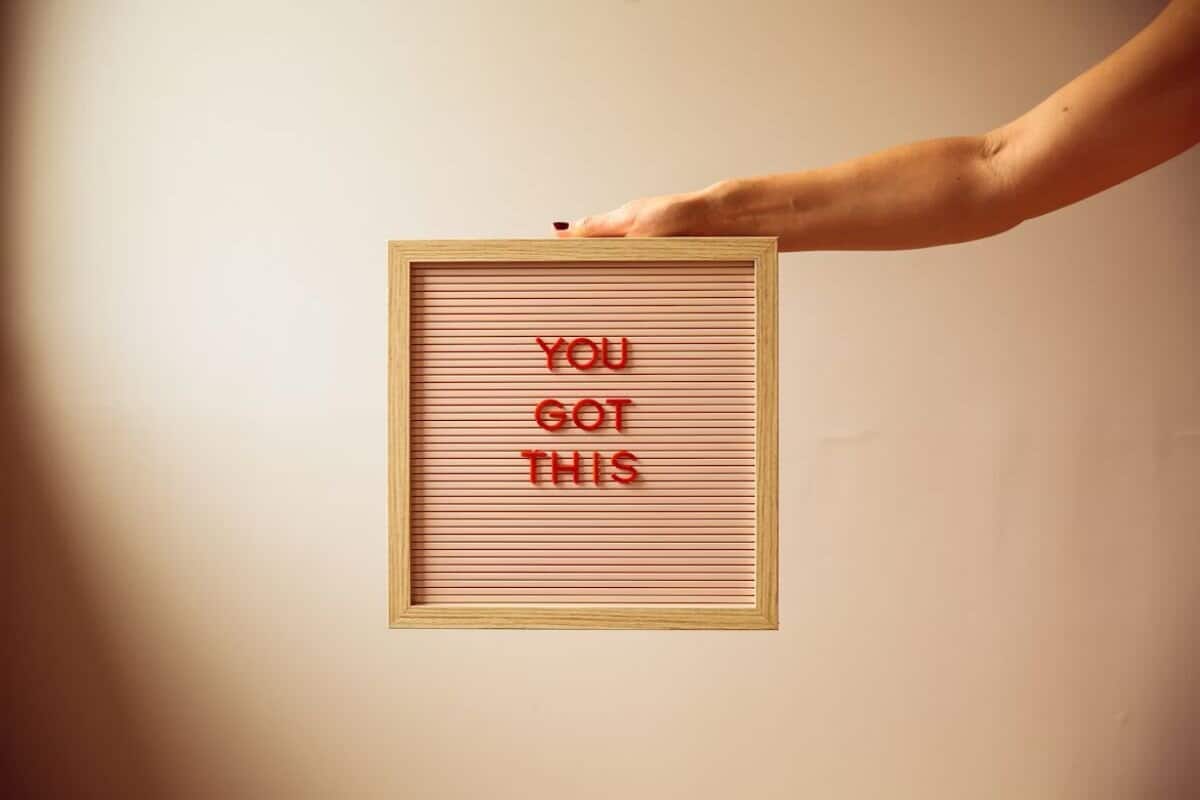
When someone tells you to “break a leg,” it certainly doesn’t call for you to take it literally.
This phrase has nothing to do with tearing off someone’s limb or breaking your own. It’s actually one of the most well-known figurative terms in the English language.
If this is your first time hearing it, learning about it now will spare you from the awkward “huh?” moments later.
“Break a leg” is theater slang that made its way into everyday conversation. You’ll hear it before performances, presentations, speeches, and job interviews.
Basically, any moment that makes your heart pound from either excitement or fear. It’s a confidence top-up.
But where exactly did this weird saying come from? How do you use it without sounding like a total maniac? And most importantly, why would wishing someone to break a limb be considered good luck?
Let’s dive in.
Key Takeaways
- “Break a leg” means “good luck” but is traditionally used in theatre and performance contexts.
- The phrase likely originated from superstitions about wishing performers good luck directly.
- It’s now used in everyday situations beyond the stage, from job interviews to sports competitions.
- The phrase should be used before an event, not after (never tell someone “you broke a leg” as a form of congratulations).
- Saying “break a leg” at a doctor’s office or ski resort might land differently than intended.
What Break a Leg Means
“Break a leg” is an idiom that means “good luck” or “do your best.” It’s what you say to someone before they’re about to perform, compete, or face a challenging situation.
The phrase expresses encouragement and support, even though the literal words sound like a curse.
The phrase is essentially the theatre world’s version of “knock ’em dead” or “kill it out there.” These phrases all sound violent or negative on the surface, but they carry positive intentions.


Never Worry About AI Detecting Your Texts Again. Undetectable AI Can Help You:
- Make your AI assisted writing appear human-like.
- Bypass all major AI detection tools with just one click.
- Use AI safely and confidently in school and work.
It’s one of those quirks of language that doesn’t make logical sense until you understand the cultural context.
The beauty of “break a leg” is its versatility. You can say it to an actor before a show, a friend before a big presentation, or a musician before a concert.
It works in any situation where someone needs encouragement before stepping into the spotlight.
Meaning Explained
The phrase serves as a good-luck wish, but with a twist. In theatre tradition, saying “good luck” directly is considered bad luck. This superstition dates back centuries and still holds strong in performance communities today.
Actors, dancers, and other performers genuinely believe that wishing someone “good luck” will jinx the show.
So instead, they say the opposite. They wish for something bad to happen, which supposedly tricks the theatre gods into making something good happen instead. It’s reverse psychology for the supernatural.
The exact origin of “break a leg” is debated. Some say it comes from the idea that actors would bow so many times after a successful performance that they’d strain their legs. Others claim it refers to breaking the “leg line,” which is the edge of the stage curtain.
When you “break” this line, you’ve made it onto the stage to perform. Another theory suggests it comes from the German phrase “Hals und Beinbruch,” which means “neck and leg break” and is used similarly.
Regardless of where it came from, the phrase has stuck around. It’s one of the few theatrical superstitions that has crossed over into mainstream usage.
You don’t need to be an actor to use it, and you don’t need to believe in theatre curses to understand it.
Real-Life Break a Leg Examples
Let’s look at how “break a leg” appears in real conversations. These examples show the phrase in context, from traditional theatre settings to modern everyday use.
Theatre and Performance:
- “Opening night is tonight! Break a leg out there!”
- “I know you’ve been rehearsing for months. Break a leg!”
- “The talent show is in an hour. Break a leg, you’re going to be amazing.”
Professional Settings:
- “Big presentation today? Break a leg!”
- “You’ve got this job interview. Break a leg!”
- “Break a leg at the conference. Your speech is going to kill.”
Academic Contexts:
- “Finals start tomorrow. Break a leg!”
- “Thesis defense at 2 p.m. Break a leg, soon-to-be Dr.!”
- “Break a leg on your SATs. You studied hard.”
Sports and Competitions:
- “State championships today. Break a leg!” (Though “good luck” might work better here)
- “Break a leg at the debate tournament.”
- “Dance competition starts in 10. Break a leg!”
Everyday Situations:
- “First date tonight? Break a leg!”
- “Break a leg at the family reunion. You’ll survive.”
- “Starting your new job Monday. Break a leg!”

Want to practice using “break a leg” in different scenarios? Try using Undetectable AI’s AI Chat tool to generate conversation prompts. You can create situations where you’d wish someone well and practice finding the right moment to drop the phrase.
It’s like a language gym for idiomatic expressions.
The key is reading the room. “Break a leg” works best when there’s a performance element or when someone’s about to do something challenging.
It carries more punch than a simple “good luck” because it shows you understand the stakes.
Significance of Break a Leg
Why does this phrase matter? Because language shapes how we connect with people. “Break a leg” isn’t just about wishing someone well. It’s about showing cultural awareness and emotional support in a specific way.
The phrase signals that you understand performance anxiety. When you tell someone to “break a leg,” you’re acknowledging that they’re about to do something difficult.
You’re recognizing their preparation, their nerves, and their courage. It’s more personal than “good luck” because it carries theatrical history and shared understanding.
In creative communities, using the right phrase shows respect. Telling an actor “good luck” might actually stress them out more because you’ve violated the superstition.
But “break a leg” shows you know the culture. You’re speaking their language.
Beyond theatre, the phrase has evolved to mean something slightly different. It’s become shorthand for “I believe in you” or “you’ve got this.” It’s playful and encouraging without being cheesy.
When your friend is nervous about something, “break a leg” feels more supportive than “you’ll do fine” because it carries energy and intention.
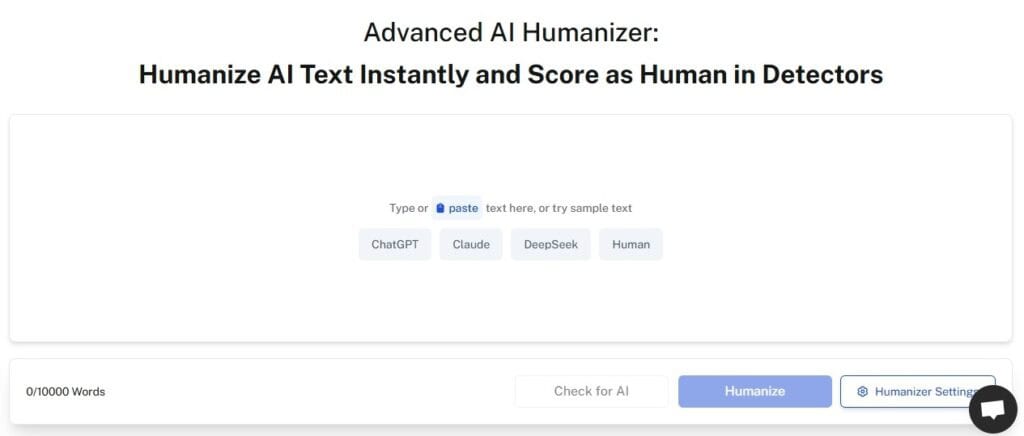
Using an Undetectable AI’s AI Humanizer tool can help you understand how phrases like “break a leg” fit into natural conversation.
It’s a tool that shows you how idioms work in context, making your writing and speaking feel more authentic. The goal is to use phrases like “break a leg” naturally.
The phrase also creates camaraderie. When you use performance-world slang in everyday situations, you’re borrowing the theatrical sense of community.
You’re treating someone’s job interview or exam like opening night on Broadway. That elevates the moment and shows you take their challenge seriously.
Common Mistakes with Break a Leg
Even common phrases get misused. Here are the typical mistakes people make with “break a leg” and how to avoid them.
Mistake 1 – Using it after the event: Don’t say “you broke a leg” as a form of congratulations. The phrase only works before the performance or event. Afterward, you’d say “great job” or “you killed it,” or just “congratulations.” The timing matters.
Mistake 2 – Using it in literal danger situations: Avoid saying “break a leg” to someone about to do something physically risky where they might actually get hurt. Don’t tell a skateboarder to break a leg before a dangerous trick. Don’t say it to someone heading into surgery. Read the literal context.
Mistake 3 – Overusing it: If you say “break a leg” to the same person before every single thing they do, it loses meaning. Save it for actual challenges or performances. Your friend doesn’t need you to say “break a leg” before they go buy groceries.
Mistake 4 – Wrong tone: “Break a leg” should sound encouraging, not sarcastic. If you say it with the wrong inflection, it sounds like you actually want them to fail. Make sure your tone matches your intention.
Mistake 5 – Using it with people who don’t know the phrase: If English isn’t someone’s first language, “break a leg” might genuinely confuse them. In those situations, stick with “good luck” or, if there’s time, explain the idiom. Don’t create unnecessary confusion.
Mistake 6 – Forgetting the context: The phrase works best in performance contexts. It’s perfect for theatre, music, dance, public speaking, or any situation where someone’s “on stage” in some way. It’s less natural for things like “have a safe flight” or “enjoy your vacation.” Match the phrase to the situation.
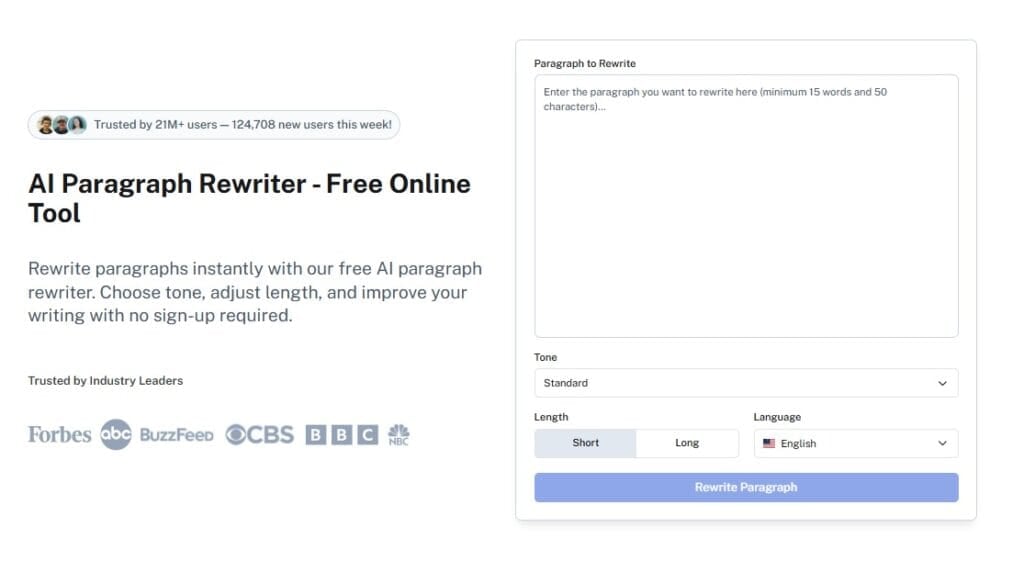
Need help simplifying these usage tips? Undetectable AI’s Paragraph Rewriter tool can help you break down complex explanations into clear, actionable guidance. The goal is understanding when and how to use phrases naturally, without overthinking every conversation.
How to Use Break a Leg

Using “break a leg” correctly is straightforward once you understand the basics.
Here’s your practical guide:
- Step 1 – Identify the right moment: Is someone about to perform, present, compete, or face a challenging situation? That’s your cue. The phrase works before the event, never during or after.
- Step 2 – Consider your relationship: “Break a leg” works between friends, colleagues, and acquaintances. It’s casual enough for friends but professional enough for work situations. You probably wouldn’t say it to your CEO before their shareholder meeting, but you could say it to a coworker before their big presentation.
- Step 3 – Say it with confidence: Don’t mumble “break a leg” like you’re unsure about it. Say it clearly and warmly. Your tone should convey encouragement, like a verbal high-five.
- Step 4 – Add context if needed: Sometimes, you can enhance the phrase with additional encouragement. “You’ve prepared so well. Break a leg!” or “Break a leg out there. You’re going to be amazing.” The phrase works on its own or as part of a longer message.
- Step 5 – Watch for reactions: If someone looks confused when you say “break a leg,” they might not know the phrase. You can quickly add “that means good luck” with a smile. Don’t make them feel awkward for not knowing.
In writing: “Break a leg” works in texts, emails, and cards. It’s perfect in a quick, encouraging text before someone’s big moment. “Thinking of you. Break a leg today!” feels personal and supportive.
In person: Face-to-face, “break a leg” should sound upbeat and genuine. Pair it with a hug, handshake, or supportive gesture. Make eye contact. Show that you mean it.
Alternatives if you’re unsure: If you’re not confident using “break a leg,” these phrases work similarly:
- “Knock ’em dead.”
- “Kill it out there.”
- “You’ve got this.”
- “Go get ’em.”
- “Show them what you’ve got.”
The best approach is to use phrases that feel natural to you. If “break a leg” doesn’t roll off your tongue easily, that’s fine. Authentic encouragement matters more than using trendy phrases.
Use the widget below to test our AI Detector and Humanizer!
No Bones Were Harmed
“Break a leg” is more than just a quirky saying. It’s a piece of cultural history that’s evolved from theatrical superstition into everyday encouragement.
Language is all about connection. Idioms like “break a leg” give us creative ways to express support and encouragement. They make conversations more colorful and help us bond over shared understanding.
Whether you’re in a theatre or just texting a friend before their big day, “break a leg” carries weight and meaning.
So next time someone you care about is facing a challenge, tell them to break a leg. Just make sure they understand you’re wishing them success, not actual fractures. And if you’re the one hearing it?
Take it as the compliment it is. Someone believes in you enough to use the theatre world’s most famous good luck charm.
Polish your writing and keep it sounding naturally human with Undetectable AI.