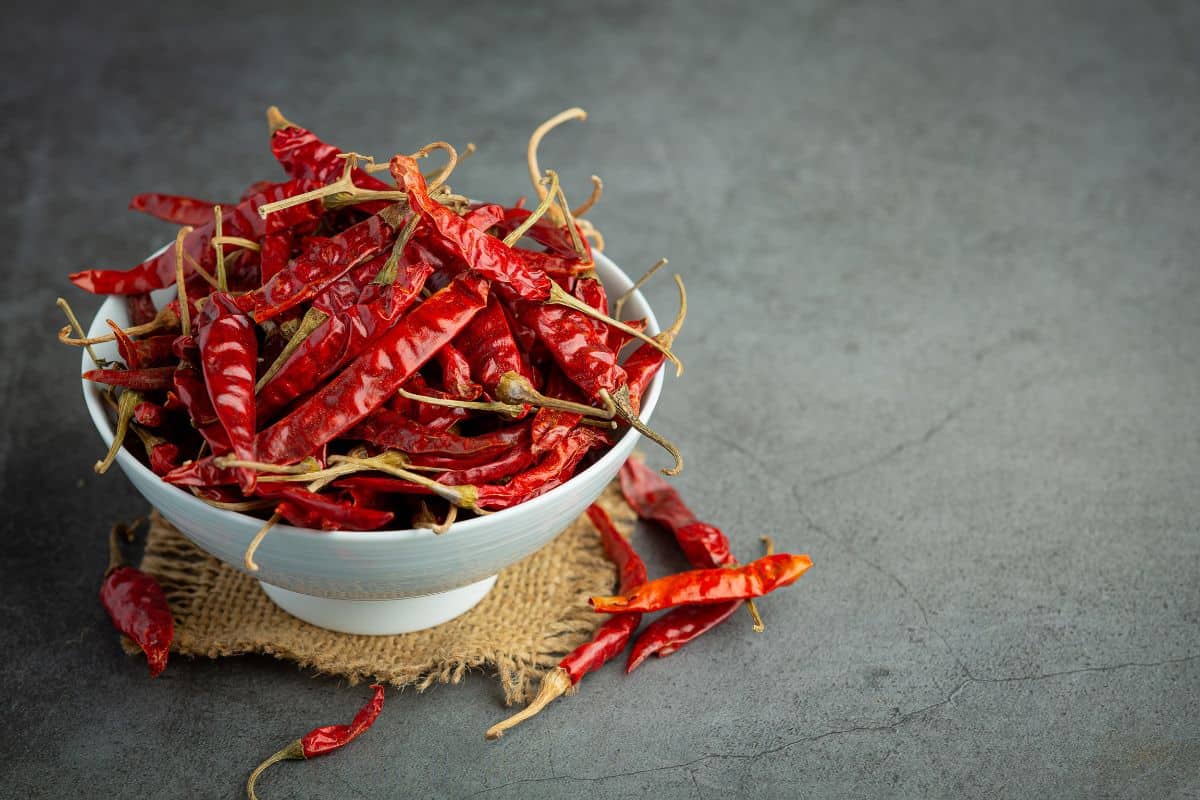
The way some minor problems turn out to be your greatest headache is so funny. Wait, this isn’t anything life-threatening. It is only about the issue of the spelling of chili and chilli.
Imagine you just cooked the most delicious meal, and you are trying to write down the recipe.
You get to the part where you have to list out the spices used, but you find it difficult to continue because you can’t figure out if you should write ‘chili’ or ‘chilli.’ Funny right?
You are actually not alone; many people find it challenging to spell words that have different accepted versions.
Those tiny differences confuse even the best writers, but it is one of those things that makes the English Language both interesting and slightly annoying.
Let’s dive in.
Key Takeaways
- Chili is how it is spelled in America
- The British English spelling is Chilli
- Both spellings mean the same spicy pepper
- The spelling that you should use is decided by your audience
- It is best to use the same spelling throughout your recipes or articles to avoid mix up
What Is the Difference Between Chili or Chilli?
There is no actual distinction between the meaning of chili or chilli. The geographical or regional spelling is the only distinct difference. It depends on where you are and who you are writing for.
Say you are in the United States or writing for people in the US, it is ‘chili’ with one ‘l.’ In the United Kingdom, Australia or Commonwealth countries, it is chilli with two Ls.
This is applicable to the pepper itself and dishes made of it as a main ingredient.


Never Worry About AI Detecting Your Texts Again. Undetectable AI Can Help You:
- Make your AI assisted writing appear human-like.
- Bypass all major AI detection tools with just one click.
- Use AI safely and confidently in school and work.
The argument based on chili or chilli spelling is the same one that is based on the color and colour or flavour and flavour spelling.
They are written in different spellings, they say the same thing, and they are said in the same way.
Upon consideration, it is as though the English-speaking countries were simply trying to make those differences so that they could have some good-natured fights or so that things would be interesting.
Meaning and Background
The history of this pepper can be linked to the Nahuatl language of the Aztecs, where the original spelling was ‘chīlli,’ but as the Mexicans who spoke Spanish discovered the pepper, they changed the term to chile.
Then, the English Language being what it is, had to adopt all spellings. Now, different regions have created their own meaning. The British have settled on the original chilli, and the American has settled on the shortened chili.
Other than being known as a spicy pepper, the chili/chili is also a food dish that is made with meat, beans, tomatoes and chilli/chili peppers. What you spell does not matter; the meaning is the same.
A jalapeño is spicy, be it a chili pepper or a chilli pepper, and a meal that will keep you warm on a winter evening, regardless of which of the two spellings it is written in the menu.
Using “Chilli” the British Way vs Using “Chili” in American English
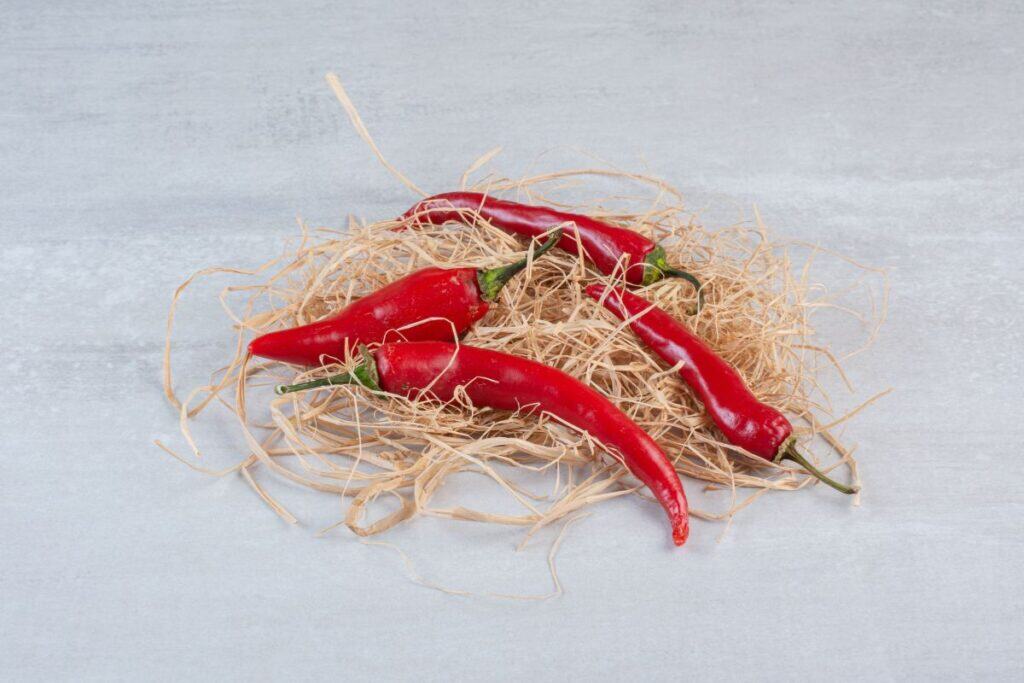
This is how each side of the Atlantic uses the spelling of this spicy pepper:
The British Way
Commonwealth countries, New Zealand, Australia, and countries such as the UK employ the spelling of chilli with two ‘ls.’
So when you enter any British supermarket, you will find items such as:
- Chilli flakes in the spice section
- Fresh chillies in the produce section
- Chilli con carne in the ready meals section
- Sweet chilli sauce next to the ketchup
Most British cookbooks, blogs, books, and restaurant menus use chilli consistently. Using the standard American ‘chili’ might be confusing, and it might make British readers think you have made a typo.
Even food critics and recipe writers pay careful attention to this spelling to maintain consistency in their publications.
American Style
In the United States, ‘chili’ is the dominant spelling, and it is very much non-negotiable in American English contexts. You will have, as an example:
- Chili peppers in the market
- Chili pepper in your spice box
- County fair Chili cook-offs
- Chili dogs at baseball games
The British and Americans are firmly set in their ways when they spell that anything short of that standard is incorrect.
So when someone asks, “Is it chilli or chili?” The short answer is: both are correct. It just depends on the region you are writing for. If you are working on something for Americans, stick with “chili.” If you are working for the British, go with “chilli.”
You might want to make your recipe book written by an artificial intelligence sound more human. Well, that is not a problem. Your recipes and texts can sound natural and relatable with the help of the Undetectable AI’s AI Humanizer.

Spelling in Popular Dishes
Since the pepper is used in dishes, this is where the chili or chilli spelling comes into play in real life. Here are popular dishes prepared with the pepper in America and the United Kingdom:
American Dishes
- Chili con carne
- Cincinnati chili
- Chili cheese fries
- Chili Stuffed Peppers
- Chili Cheese Dip/Queso
- Chili Burger
- Chili-Stuffed Baked Potato
- Chili Relleno Casserole
- Chili Dogs
- Texas style Chili
- White Chicken Chili
British Menus
- British Chilli Con Carne
- Chilli Jacket Potato
- Corned Beef Chilli
- Crispy Chilli Beef
- Chilli Marrakech or Lamb Chilli
- Smoky Chorizo Salmon
- Vegetarian Chilli
- Chilli Cheese Fries
You would discover that there is nothing different in the dishes of the two parts, except for the variation in spelling.
What is interesting about it is that when you are talking about chili or chilli soup, the recipe will be the same except that you will find a different spelling in the recipe book.
There are restaurants that tend to remain loyal to the origin of the dish, which is Mexico.
So a Mexican restaurant in London might use the original spelling, which is “chile,” while using ‘chilli’ for their British-style fusion dishes. This is the reason why it is all about context and audience.
Common Mistakes to Avoid
The following are mistakes people make with the ‘is it chili or chilli’ question:
- Mixing Spellings in the Same Document: This is one of the most frequent errors that people make unknowingly; thus, be more vigilant when using it. It is advisable to choose a single spelling and use it. Don’t use “chili peppers” somewhere and “chilli con carne” in another place unless you are trying to compare British and American terms. Let your audience also be your guide.
- Using “chile” When you mean the Pepper or Dish: ‘Chile’ without the ‘i’ or double ‘ll’ is a country in South America. While it is the Spanish spelling of the pepper, it is just better to go with the regular ‘chili’ or ‘chilli’ to avoid confusion.
- Overthinking it: Don’t stress it. When you are writing, casually use whatever spelling you like. Most people understand your intentions regardless of which spelling you choose. It is just food, not rocket science.
- Ignoring the Region: Americans and British use different spelling and it is standard practice to follow the spelling of the country you are writing for.
- Assuming one is More “correct”: There is no spelling that is more correct than the other. The region should be your guide. The two spellings are similar and are pronounced in the same way.
Examples of Chili vs Chilli in Sentences
The following are illustrations of the spelling in sentences:
- I have a massive pot of chili that I am making this evening
- It is a spicier chilli than I expected
- I bought fresh chilies at the farmer’s market
- Is it chili or chilli?
- My grandma grows her chillies every summer
Tips for Choosing the Right Spelling
These are tips on how to choose the correct spelling:
- Know your Audience: Your audience should determine your spelling. Do not use one ‘l’ when you are to use double ‘l.’ In doubt? You can research similar content by people within the target audience.
- Use your Publication Style Guide: In case you are writing either a news, magazine or blog, use the publication style guide. As an example, the New York Times will require chili whereas the Guardian will demand chilli.
- Be Consistent: Use one spelling throughout. It would be wrong to switch your spelling midway unless you are writing a piece on both spellings.
- Think About a Global Audience: For writing that will be used all over the world, it is better to choose a spelling and stick with it.
- Match your other Spelling Choices: In the event that you are using American English spellings like ‘flavor,’ or ‘color,’ pair them with ‘chili.’ When you are working with British spelling, e.g., flavour or colour, then it is chilli.
- Trust your Gut: Do not second-guess yourself. In other cases, it is simply better to spell the word in a way that makes more sense to you.
When you are writing an article, and you are not certain as to whether your article is flowing smoothly or reading as though a human being wrote it, then go to the Undetectable AI’s AI Detector and see whether it is. Our AI detector can help you ensure that your work reads naturally and human-like.

You can also use the Undetectable AI’s Plagiarism Checker to find out if the examples and explanations in your article are original, so as to avoid penalties of any sort.
Try out our AI Detector and Humanizer right below!
FAQs
Is Chile Pronounced Chili or Chilay?
Chile is pronounced as CHEE-lay. This pronunciation is common in areas that have a Mexican or Spanish influence. CHILL-ay is also a good pronunciation if you wish to use the Spanish pronunciation. Nevertheless, the two words ‘chili and chilli’ are both pronounced CHILL-ee.
An example of this is when one orders at a Mexican restaurant and he or she is asked, Would you like red or green chile? They will tend to pronounce CHEE-lay. But when your British friend orders chilli con carne, what they mean is CHILL-ee.
Why are There Different Spellings of Chili?
The different spellings of chili exist because of the English Language. As a language used in various nations, most countries have overtime evolved and come up with their own spelling. Moreover, at the time of its entry into the territory of the English language, there was no standard or official spelling of this word.
The natural spelling was used by both Americans and British as early as the 18th and 19th centuries. American English would rather use single consonants as compared to the British, which prefers to use two consonants.
Apart from chili and chilli, there is also the Spanish variation ‘chile’, which is still a huge part of Mexican culture. There are, therefore, three different spellings, and each spelling is faithful to its region.
As a matter of fact, the actual cause of the existence of these spellings is that there is no justification to alter them. These spellings are quite okay, and you can always get the meaning, regardless of the context.
Final Thoughts
When you think about it, there is no valid reason why there should be an “is it chili or chilli?” argument when both spellings mean the same thing. If there were to be a debate about the spelling, there would be no winner because there was never really a competition.
The spelling variations are just one of the many scenarios in which English adapts and works across different parts of the world. Americans will always stick to ‘chili’ with one ‘l’, and the Brits will always work with the spelling that suits them.
One thing you should be concerned with is choosing a spelling and sticking with it. Naturally, it should be dependent on which country you are in. Ensure that you are aware of your audience and are in line with their spelling style.
Keep your spelling consistent and audience-appropriate. Undetectable AI helps refine your text so it reads naturally in any regional style.