
Hay una escena en la película Guerra Mundial Z en la que Brad Pitt menciona la “regla del décimo hombre”. Si nueve personas están de acuerdo en una solución, el décimo miembro tiene el deber de discrepar: un abogado del diablo institucionalizado.
La mayoría de las veces, la gente sufre de lo que llamamos “pensamiento de grupo”. Es el deseo de estar de acuerdo porque quieres evitar una discusión o pelea. Quieres evitar la incomodidad que puede surgir cuando contradices algo.
Sin embargo, lo más peligroso en lógica es estar 100% seguro.
Ser el abogado del diablo no es sólo ser molesto o por el mero hecho de ser el protagonista. Es aquel en el que actúas como un obstáculo para el exceso de confianza.
Piensa en el debate sobre la IA que se está produciendo ahora mismo. Todo el mundo grita: “¡La IA sustituirá a todos los escritores!” o “¡La IA es solo una herramienta, cálmate!”.”
Entonces alguien entra en la sala y dice: “¿Y si ambas partes tienen parte de razón y nos estamos perdiendo el matiz?”. ¿Molesto? Tal vez. ¿Necesario? Desde luego.
Hacer de abogado del diablo no es llevar la contraria porque sí. Se trata de hacer agujeros en el pensamiento del grupo antes de que todos caigan juntos por el precipicio.
Principales conclusiones
- Ser abogado del diablo significa argumentar en contra de la opinión popular para poner a prueba las ideas y encontrar puntos débiles.
- La frase procede de las prácticas de la Iglesia católica, no de una representación demoníaca real.
- Una defensa eficaz del diablo requiere tiempo, respeto y auténtica curiosidad.
- Refuerza la toma de decisiones cuando se utiliza correctamente, pero puede desbaratar las conversaciones cuando se exagera.
- Saber cuándo responder y cuándo callar marca la diferencia.
¿Qué es un abogado del diablo?
Un abogado del diablo es alguien que adopta una postura en la que no cree necesariamente para desafiar el punto de vista dominante.
El objetivo no es ganar una discusión o ser difícil. Se trata de poner a prueba las ideas antes de que se conviertan en decisiones.
El término tiene su origen en el proceso de canonización de la Iglesia Católica. Cuando la Iglesia consideraba hacer santo a alguien, nombraba a un funcionario conocido como el Advocatus Diaboli.


No vuelvas a preocuparte de que la IA detecte tus textos. Undetectable AI puede ayudarle:
- Haz que aparezca tu escritura asistida por IA de aspecto humano.
- Bypass las principales herramientas de detección de IA con un solo clic.
- Utilice AI de forma segura y con confianza en la escuela y el trabajo.
El trabajo de esta persona era argumentar en contra de la canonización. Buscarían todas las razones por las que esta persona no debería ser declarada santa. Cada defecto, cada decisión cuestionable, cada milagro que parecía demasiado conveniente.
¿Por qué? Porque declarar santo a alguien es algo importante. La Iglesia quería estar absolutamente seguro antes de hacerlo oficial. Necesitaban a alguien que hiciera de escéptico.
Preciso church translation is also important when reviewing historical documents, testimonies, and religious texts that may contribute to the canonization process.
Definición de Abogado del Diablo
Jugar a ser abogado del diablo significa argumentar intencionadamente desde el lado opuesto de una discusión para exponer puntos débiles, cuestionar suposiciones o considerar todos los ángulos.
Tú eres la persona que dice “pero qué pasa con...” cuando todos los demás asienten con la cabeza.
No se trata de ser negativo. Se trata de ser minucioso.
Piense en ello como si fuera un debate de práctica antes del debate real. Si tu idea no sobrevive a un desafío amistoso en la sala de conferencias, seguro que no sobrevivirá a la aplicación real.
El abogado del diablo en la vida cotidiana
Una vez que empiezas a buscar la defensa del diablo, la ves por todas partes.
- En grupos de amigos: Tus amigos están planeando un viaje a Bali. Todos están entusiasmados. Los depósitos están a punto de pagarse. Entonces uno pregunta: “¿Alguien ha comprobado si podemos permitírnoslo después de pagar el alquiler?”. Ese es el modo abogado del diablo. No es divertido, pero es necesario.
- En el trabajo: Tu equipo quiere lanzar una nueva función porque un competidor acaba de hacerlo. Suena genial hasta que alguien pregunta: “¿Nuestros usuarios realmente quieren esto, o solo estamos copiando lo que parece guay?”. Ahora estás pensando de verdad, no sólo reaccionando.
- En las relaciones: Tu pareja quiere dejar su trabajo y montar un negocio. Te encanta su ambición. Pero también le preguntas por el recorrido financiero, el plan de empresa y qué pasa si tarda más de lo previsto. No estás aplastando sus sueños, sino ayudándole a triunfar pensando en las partes difíciles.
- En el desarrollo de productos: A todos los presentes en la reunión les encanta el nuevo diseño de la aplicación. Es elegante, moderno y minimalista. Entonces el desarrollador dice: “Tardaremos seis meses en construirla, y la mayoría de nuestros usuarios tienen más de 60 años. ¿Creemos que entenderán una interfaz sin etiquetas?”. De repente, la conversación pasa de la estética a la usabilidad.
- En las decisiones familiares: Su familia quiere comprar una casa de vacaciones. Parece una idea estupenda. Entonces alguien saca a relucir los costes de mantenimiento, los impuestos sobre la propiedad y el hecho de que nadie tiene tiempo para visitarla más de dos veces al año. Las cuentas empiezan a no cuadrar.

Si estás escribiendo (o tecleando) y necesitas hacer de abogado del diablo, el Humanizador AI de Undetectable AI ayuda a que tus respuestas parezcan naturales y conversacionales.
La verdadera defensa del diablo no suena como un abogado interrogando a alguien. Suena como un amigo que se preocupa lo suficiente como para hacer las preguntas difíciles.
Estos ejemplos funcionan porque se basan en situaciones reales en las que desafiar el consenso realmente ayuda a evitar errores.
El abogado del diablo: Consejos y errores comunes
Hacerlo bien requiere práctica. He aquí lo que funciona y lo que no.
Dos
- Hazlo: Haz preguntas en lugar de hacer afirmaciones. “¿Hemos pensado qué pasa si no se consigue la financiación?” aterriza mejor que “Esta idea fracasará definitivamente sin la financiación adecuada”.”
- Hágalo: Conozca a su público. A algunos grupos les gustan los retos y el debate. Otros lo encuentran amenazador. Lea la sala.
- Hágalo: Reconocer los puntos fuertes antes de resaltar los débiles. “Me encanta la dirección creativa. Lo único que me preocupa es el calendario. ¿Cómo lo llevamos?”. Este enfoque mantiene a la gente receptiva.
- Hazlo: Aportar soluciones, no sólo problemas. “¿Y si escalonamos la implantación para poder probar primero con un grupo más reducido?” es mucho más útil que “Esto podría salir mal de muchas maneras”.”
No hacer
- No lo hagas: Haz de abogado del diablo en todo. Si cuestionas cada punto en cada reunión, la gente dejará de escucharte. Elige tus batallas. Guárdalo para las decisiones que realmente importan.
- No lo hagas: Lo hagas para parecer inteligente. La gente se da cuenta cuando planteas objeciones para presumir en lugar de mejorar el resultado.
- No lo hagas: Olvídate de escuchar de verdad. A veces la gente ya ha pensado en tu objeción. Si tienen una buena respuesta, acéptala y sigue adelante. No sigas insistiendo sólo para sentirte escuchado.
- No lo hagas: Utilizarlo como tapadera para ser simplemente negativo. Algunas personas ocultan su pesimismo tras el “sólo hago de abogado del diablo”. El verdadero abogado del diablo es constructivo.
¿El mayor error? Confundir la abogacía del diablo con contrarianismo. Los contrarios discrepan por discrepar. Los defensores del diablo discrepan para mejorar las cosas.
Frases o conceptos similares
Si el abogado del diablo te parece demasiado formal o dramático para la situación, prueba estas alternativas:
- “Permítanme empujar hacia atrás en eso por un segundo.” Más informal, misma energía. Funciona muy bien en las sesiones de brainstorming en las que se quiere cuestionar una idea sin acabar con el ambiente.
- “¿Cuál es el peor escenario posible?” Hace que la gente piense en los riesgos sin estar directamente en desacuerdo con ellos. Da la sensación de colaboración más que de confrontación.
- “Quiero asegurarme de que lo hemos pensado bien”.” Te posicionas como útil en lugar de crítico. Mismo resultado, entrega más suave.
- “Haciendo de abogado del diablo...” A veces, decirlo en voz alta ayuda. La gente sabe que no les estás atacando personalmente. Estás poniendo a prueba la idea.
- “Déjame ser el escéptico por un minuto”.” Similar al abogado del diablo, pero suena menos formal. Bueno para conversaciones informales.
- “¿Qué me estoy perdiendo?” Esta es astuta. Estás invitando a la gente a rellenar los huecos y, al mismo tiempo, señalando que algo no encaja. Obliga a pensar más a fondo sin confrontación directa.
- Pensamiento crítico es el concepto más amplio. La defensa del diablo es una de las herramientas del pensamiento crítico.
- Equipo rojo es la versión empresarial. Las empresas contratan a gente específicamente para atacar sus propias ideas y encontrar vulnerabilidades. Es la abogacía del diablo, pero oficial y pagada.
- Siderurgia es lo opuesto al "strawmanning". En lugar de debilitar el argumento de alguien para derribarlo, lo refuerzas hasta su mejor versión posible y luego compruebas si sigue siendo válido.
Todas ellas comparten el mismo objetivo: poner a prueba las ideas antes de que se conviertan en costosos errores.
Ventajas de ser abogado del diablo
Cuando se hace bien, esta habilidad hace que todo sea más fácil de entender y de actuar.
- Mejores decisiones. Los grupos que aceptan retos cometen menos errores estúpidos. Si nadie cuestiona el plan, es probable que éste tenga agujeros de los que nadie se ha percatado todavía.
- Ideas más fuertes. Tu idea puede ser genial. Pero si alguien pincha en ella y la mejora, podría llegar a ser aún mejor. Eso es crecimiento.
- Catástrofes evitadas. ¿Cuántas empresas fracasadas podrían haberse salvado si alguien hubiera hecho preguntas más difíciles antes de gastar el dinero de los inversores? ¿Cuántas malas contrataciones podrían haberse evitado con una investigación más exhaustiva?
- Diversidad de pensamiento en equipo. Cuando se normaliza la defensa del diablo, la gente se siente más segura compartiendo opiniones impopulares. La innovación suele vivir en el incómodo espacio entre el acuerdo y el conflicto.
- Crecimiento personal. Aprender a argumentar posiciones que no defiendes profundiza la comprensión. Ves la complejidad en lugar de elegir un bando.
- Reducción del pensamiento de grupo. Los grupos tienden naturalmente al consenso. Es bueno estar de acuerdo. Pero el consenso sin desafío no es más que una ilusión colectiva disfrazada de traje.
Al realizar tesis o proyectos en grupo, el uso de la IA Indetectable Detector de Plagio AI garantiza que cualquier ejemplo o referencias son originales. De ese modo, construyes argumentos sobre bases sólidas, no sobre pensamientos prestados.
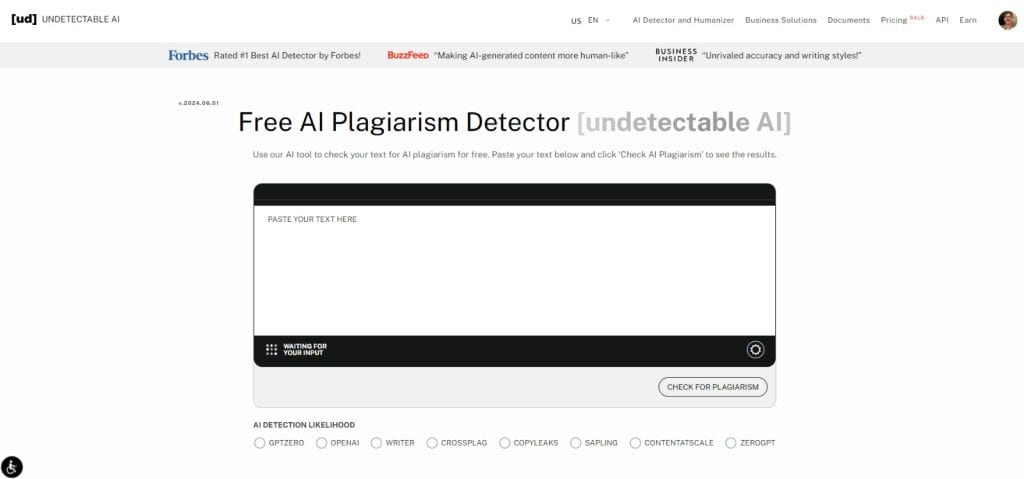
Entonces, el Detector de IA de Undetectable AI verifica que el contenido se lee de forma natural y auténticamente humana. La mejor defensa del diablo suena como una conversación genuina, no como una actuación en un club de debate.
- Mejor preparación. Si puedes defender tu idea frente a desafíos amistosos, seguro que puedes defenderla frente a una oposición real. Considéralo una práctica gratuita.
- Garantías éticas. Algunas de las peores decisiones de la historia se tomaron porque nadie estaba dispuesto a alzar la voz. La defensa del diablo crea una sensación de permiso para cuestionar la autoridad y la opinión popular.
Cómo utilizarlo eficazmente
Saber cuándo y cómo rebatir separa la abogacía del diablo útil de la perjudicial.
Elegir el momento adecuado
No todos los momentos necesitan un reto. Elige situaciones en las que lo que esté en juego justifique la incomodidad.
Las decisiones de alto riesgo merecen escrutinio. Contratar a alguien, lanzar un producto, hacer una inversión importante. Estas decisiones afectan a muchas personas durante largos periodos de tiempo. Fuera retos.
Las decisiones poco arriesgadas no lo necesitan. ¿Qué restaurante elegir para comer? Elige uno. Ahorra energía para lo importante.
Más vale al principio del proceso que al final. Cuestiona las ideas durante el brainstorming, no después de que todo el mundo se haya comprometido y haya empezado a ejecutarlas. Una vez que la gente se ha implicado emocionalmente, el rechazo se siente como un ataque.
Hazlo cuando te preocupe de verdad, no porque sí. Pregúntate si lo planteas porque ves un problema real o si simplemente te incomoda el acuerdo.
Manténgase respetuoso
Tu tono importa más que tu argumento.
Enfócalo como curiosidad, no como crítica. “Me pregunto sobre...” funciona mejor que “Esto no funcionará porque...”.”
Reconoce que puedes estar equivocado. “Quizá me estoy perdiendo algo, pero...” da a la gente espacio para educarte en lugar de defenderse.
Céntrate en la idea, no en la persona. “Este enfoque tiene algunos riesgos” frente a “No lo has pensado bien” son frases muy distintas con impactos muy diferentes.
Utilice un lenguaje colaborativo. “Deberíamos considerar...” en lugar de “Tienes que pensar en...”. Pequeños cambios de palabras, gran diferencia en la recepción.
No seas engreído. Aunque tengas razón, a nadie le gusta la persona que dice “te lo dije”.”
Fomentar el diálogo abierto
Haz que los demás hagan lo mismo contigo.
Acepta los desafíos a tus propias ideas. Si puedes darlo todo pero no puedes aceptarlo, no eres un abogado del diablo.
Cree un espacio explícito para el desacuerdo. En las reuniones, pregunte “¿Qué no estamos teniendo en cuenta?” o “¿Quién ve esto de otra manera?”.”
Recompensa a las personas que hablan, aunque su opinión no cambie la decisión. Un comentario como “Qué buena pregunta” o “Me alegro de que hayas sacado el tema” fomenta la participación en el futuro.
Separe la lluvia de ideas de la toma de decisiones. Deja que la gente cuestione libremente durante la exploración. Cuando llegue el momento de tomar una decisión, comprométete con la dirección aunque no sea la que prefieres.
Construya una cultura en la que “no estoy de acuerdo” se respete, no se castigue. Esto requiere tiempo y constancia, pero se traduce en mejores resultados y equipos más felices.
Pruebe nuestro Detector y Humanizador de IA con el widget que aparece a continuación.
Discrepar con propósito
Ser el abogado del diablo puede ser increíblemente útil.
Los mejores equipos cuentan con personas que se preocupan lo suficiente como para hacer preguntas difíciles. Prefieren tener una conversación incómoda ahora que un desastre más adelante. Saben que el acuerdo sienta bien, pero no garantiza el éxito.
Puede que la frase haga referencia al diablo, pero en realidad se trata de una práctica bastante angelical. Protege a las personas de sus propios puntos ciegos, refuerza las ideas que sobreviven al desafío y evita que el pensamiento de grupo se disfrace de consenso.
Recuerda: el objetivo es mejorar los resultados, no demostrar que eres la persona más inteligente de la sala. Desafía las ideas porque quieres que tengan éxito, no porque quieras que fracasen.
Y cuando alguien haga de abogado del diablo con tu idea, agradéceselo. Te están haciendo un favor, aunque no lo parezca en ese momento.
Afina tus argumentos y haz que suenen humanos.IA indetectable le ayuda a afinar las ideas sin perder su voz natural.