
Há uma cena no filme Guerra Mundial Z em que Brad Pitt menciona a “Regra do Décimo Homem”. Se nove pessoas concordarem com uma solução, é dever do décimo membro discordar - um advogado do diabo institucionalizado.
Na maioria das vezes, as pessoas sofrem do que chamamos de “pensamento de grupo”. É o desejo de concordar porque você quer apenas evitar uma discussão ou briga. Você quer evitar o constrangimento que pode surgir quando você contradiz algo.
No entanto, a coisa mais perigosa na lógica é ter 100% certeza.
Ser um advogado do diabo não é apenas ser irritante ou apenas ser o personagem principal. É quando você age como um obstáculo para o excesso de confiança.
Pense no debate sobre IA que está ocorrendo neste momento. Todos estão gritando: “A IA substituirá todos os escritores!” ou “A IA é apenas uma ferramenta, acalme-se!”
Então, alguém entra na sala e diz: “E se os dois lados estiverem parcialmente certos e nós estivermos perdendo a nuance?” Irritante? Talvez. Necessário? Com certeza.
Fazer o papel de advogado do diabo não significa ser contrário apenas por ser. Trata-se de abrir buracos no pensamento de grupo antes que todos caiam em um precipício juntos.
Principais conclusões
- Advogado do diabo significa argumentar contra a opinião popular para testar ideias e encontrar pontos fracos.
- A frase vem das práticas da Igreja Católica, não de uma representação demoníaca real.
- A defesa eficaz do diabo requer tempo, respeito e curiosidade genuína.
- Ela fortalece a tomada de decisões quando usada corretamente, mas pode atrapalhar as conversas quando exagerada.
- Saber quando reagir e quando ficar quieto faz toda a diferença.
O que é um advogado do diabo?
Um advogado do diabo é alguém que assume uma posição na qual não necessariamente acredita para desafiar o ponto de vista dominante.
O objetivo não é vencer uma discussão ou ser difícil. É testar as ideias antes que elas se tornem decisões.
O termo teve origem no processo de canonização da Igreja Católica. Quando a Igreja considerava tornar alguém santo, nomeava um funcionário conhecido como Advocatus Diaboli.


Nunca mais se preocupe com a detecção de seus textos pela IA. Undetectable AI Pode lhe ajudar:
- Faça sua escrita assistida por IA aparecer semelhante ao humano.
- Bypass todas as principais ferramentas de detecção de IA com apenas um clique.
- Uso IA com segurança e com confiança na escola e no trabalho.
O trabalho dessa pessoa era argumentar contra a canonização. Eles descobriam todos os motivos pelos quais essa pessoa não deveria ser declarada santa. Cada falha, cada decisão questionável, cada milagre que parecesse um pouco conveniente demais.
Por quê? Porque declarar alguém santo é uma grande coisa. A Igreja queria ter certeza absoluta antes de torná-lo oficial. Eles precisavam de alguém para fazer o papel de cético.
Preciso church translation is also important when reviewing historical documents, testimonies, and religious texts that may contribute to the canonization process.
Definição de Devil's Advocate (Advogado do Diabo)
Fazer o papel de advogado do diabo significa argumentar intencionalmente o lado oposto de uma discussão para expor pontos fracos, desafiar suposições ou considerar todos os ângulos.
Você é a pessoa que diz “mas e quanto a...” quando todos os outros estão concordando com a cabeça.
Não se trata de ser negativo. Trata-se de ser minucioso.
Pense nisso como um debate prático antes do debate real. Se a sua ideia não conseguir sobreviver a um desafio amigável na sala de conferência, ela definitivamente não sobreviverá à implementação real.
Advogado do diabo na vida cotidiana
Quando você começa a procurar, vê a defesa do diabo em todos os lugares.
- Em grupos de amigos: Seus amigos estão planejando uma viagem para Bali. Todos estão entusiasmados. Os depósitos estão prestes a ser pagos. Então, uma pessoa pergunta: “Alguém realmente verificou se podemos pagar isso depois de pagar o aluguel?” Esse é o modo de advogado do diabo. Não é divertido, mas é necessário.
- No trabalho: Sua equipe quer lançar um novo recurso porque um concorrente acabou de fazer isso. Parece ótimo até que alguém pergunta: “Nossos usuários realmente querem isso ou estamos apenas copiando o que parece legal?” Agora você está realmente pensando, não apenas reagindo.
- Nos relacionamentos: Seu parceiro quer deixar o emprego e abrir uma empresa. Você adora a ambição dele. Mas você também pergunta sobre a trajetória financeira, o plano de negócios e o que acontecerá se demorar mais do que o esperado. Você não está destruindo os sonhos dele, mas ajudando-o a ter sucesso ao pensar nas partes difíceis.
- No desenvolvimento de produtos: Todos na reunião adoraram o novo design do aplicativo. Ele é elegante, moderno e minimalista. Então, o desenvolvedor diz: “Isso levará seis meses para ser desenvolvido, e nossos usuários têm, em sua maioria, mais de 60 anos. Achamos que eles entenderão uma interface sem rótulos?” De repente, a conversa muda da estética para a usabilidade.
- Nas decisões familiares: Sua família quer comprar uma casa de férias. Parece uma ótima ideia. Então, alguém menciona os custos de manutenção, os impostos sobre a propriedade e o fato de que ninguém tem tempo para visitá-la mais de duas vezes por ano. A matemática começa a não fazer sentido.

Se estiver escrevendo (ou digitando) e precisar fazer o papel de advogado do diabo, o Humanizador de IA da Undetectable AI ajuda suas respostas a parecerem naturais e coloquiais.
A verdadeira defesa do diabo não soa como um advogado interrogando alguém. Parece um amigo que se preocupa o suficiente para fazer as perguntas difíceis.
Esses exemplos funcionam porque são baseados em situações reais em que desafiar o consenso realmente ajuda as pessoas a evitar erros.
Advogado do Diabo: Dicas e erros comuns
Para fazer isso corretamente, é preciso prática. Veja a seguir o que funciona e o que não funciona.
Dos
- Faça: Faça perguntas em vez de fazer afirmações. “Já pensamos no que acontecerá se o financiamento não for bem-sucedido?” é melhor do que “Essa ideia definitivamente fracassará sem o financiamento adequado”.”
- Faça: Conhecer seu público. Alguns grupos aceitam desafios e debates. Outros acham isso ameaçador. Leia a sala.
- Faça: Reconheça os pontos fortes antes de destacar os pontos fracos. “Adoro a direção criativa aqui. Minha única preocupação é a linha do tempo. Como estamos lidando com isso?” Essa abordagem mantém as pessoas receptivas.
- Fazer: Trazer soluções, não apenas problemas. “E se a implementação fosse feita em fases para que pudéssemos testar com um grupo menor primeiro?” é muito mais útil do que “Isso pode dar errado de muitas maneiras”.”
O que não fazer
- Não faça isso: Faça o papel de advogado do diabo em tudo. Se você contestar todos os pontos em todas as reuniões, as pessoas deixarão de ouvir. Escolha suas batalhas. Guarde isso para as decisões que realmente importam.
- Não faça isso: Faça isso para parecer inteligente. As pessoas percebem quando você está levantando objeções para se exibir em vez de melhorar o resultado.
- Não se esqueça: Esqueça de realmente ouvir. Às vezes, as pessoas já refletiram sobre sua objeção. Se elas tiverem uma boa resposta, aceite-a e siga em frente. Não fique insistindo apenas para se sentir ouvido.
- Não faça isso: Use-o como disfarce para ser apenas negativo. Algumas pessoas escondem seu pessimismo com a desculpa de que “estou apenas fazendo o papel de advogado do diabo”. A verdadeira defesa do diabo é construtiva.
O maior erro? Confundir a defesa do diabo com contrarianismo. Os contrários discordam pelo simples fato de discordar. Os defensores do diabo discordam para melhorar as coisas.
Frases ou conceitos semelhantes
Se o advogado do diabo parecer muito formal ou dramático para a situação, tente estas alternativas:
- “Deixe-me voltar um pouco no assunto”.” Mais casual, com a mesma energia. Funciona muito bem em sessões de brainstorming em que você deseja desafiar uma ideia sem acabar com a vibração.
- “Qual é o pior cenário possível aqui?” Faz com que as pessoas pensem sobre os riscos sem discordar diretamente deles. Parece colaborativo em vez de conflituoso.
- “Quero ter certeza de que pensamos bem sobre isso.” Posiciona você como útil em vez de crítico. Mesmo resultado, entrega mais suave.
- “Fazendo o papel de advogado do diabo...” Às vezes, o simples fato de dizer em voz alta ajuda. As pessoas sabem que você não está atacando-as pessoalmente. Você está testando a ideia.
- “Deixe-me ser o cético por um minuto.” Semelhante ao advogado do diabo, mas soa menos formal. Bom para conversas casuais.
- “O que estou perdendo?” Essa é sorrateira. Você está convidando as pessoas a preencherem as lacunas e, ao mesmo tempo, sinalizando que algo parece estar errado. Força a reflexão mais profunda sem confronto direto.
- Pensamento crítico é o conceito mais amplo. A defesa do diabo é uma ferramenta do kit de ferramentas do pensamento crítico.
- Equipe vermelha é a versão comercial. As empresas contratam pessoas especificamente para atacar suas próprias ideias e encontrar vulnerabilidades. É a advocacia do diabo, mas oficial e paga.
- Manuseio de aço é o oposto do strawmanning. Em vez de enfraquecer o argumento de alguém para derrubá-lo, você o fortalece até sua melhor versão possível e depois verifica se ele ainda se sustenta.
Todos eles compartilham o mesmo objetivo principal: testar ideias antes que elas se tornem erros dispendiosos.
Benefícios de ser um advogado do diabo
Quando bem executada, essa habilidade torna tudo mais fácil de entender e de agir.
- Melhores decisões. Os grupos que aceitam desafios cometem menos erros estúpidos. Se ninguém questionar o plano, provavelmente ele tem falhas que ninguém percebeu ainda.
- Ideias mais fortes. Sua ideia pode ser ótima. Mas, se alguém a analisar e ela melhorar, poderá se tornar ainda melhor. Isso é crescimento.
- Desastres evitados. Quantas startups fracassadas poderiam ter sido salvas se alguém tivesse feito perguntas mais difíceis antes de gastar o dinheiro dos investidores? Quantas contratações ruins poderiam ter sido evitadas com uma verificação mais minuciosa?
- Diversidade de pensamento da equipe. Quando a defesa do diabo é normalizada, as pessoas se sentem mais seguras para compartilhar opiniões impopulares. A inovação normalmente vive no espaço incômodo entre o acordo e o conflito.
- Crescimento pessoal. Aprender a argumentar sobre posições que você não defende aprofunda o entendimento. Você vê a complexidade em vez de escolher um lado.
- Redução do pensamento de grupo. Os grupos tendem naturalmente ao consenso. É bom concordar. Mas o consenso sem contestação é apenas uma ilusão coletiva vestida com um terno.
Ao fazer teses ou projetos em grupo, usar a IA indetectável Verificador de plágio de IA garante que quaisquer exemplos ou referências são originais. Dessa forma, você está construindo argumentos em bases sólidas, não em pensamentos emprestados.
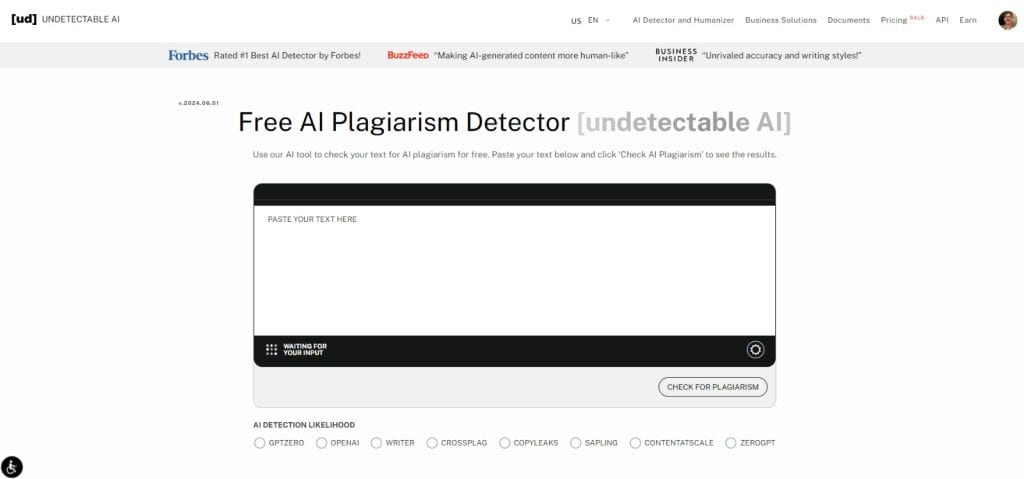
Então, o Detector de IA da Undetectable AI verifica se o conteúdo é lido naturalmente e é autenticamente humano. A melhor defesa do diabo soa como uma conversa genuína, não como uma performance de clube de debate.
- Melhor preparação. Se você puder defender sua ideia contra desafios amigáveis, com certeza poderá defendê-la contra uma oposição real. Considere isso como prática livre.
- Salvaguardas éticas. Algumas das piores decisões da história aconteceram porque ninguém estava disposto a se manifestar. A defesa do diabo cria um senso de permissão para questionar a autoridade e a opinião popular.
Como usá-lo de forma eficaz
Saber quando e como reagir separa a advocacia do diabo útil da prejudicial.
Escolha o momento certo
Nem todo momento precisa de um desafio. Escolha situações em que os riscos justifiquem o desconforto.
Decisões de alto risco merecem ser examinadas. Contratar alguém, lançar um produto, fazer um grande investimento. Essas escolhas afetam várias pessoas por longos períodos. Desafio a ser vencido.
As decisões de baixo risco não precisam disso. Que restaurante escolher para o almoço? Basta escolher um. Economize sua energia para o que importa.
O início do processo é melhor do que o final. Desafie as ideias durante o brainstorming, não depois que todos já tiverem se comprometido e começado a executar. Quando as pessoas estão emocionalmente envolvidas, a rejeição parece um ataque.
Faça isso quando tiver preocupações genuínas, não apenas por fazer. Pergunte a si mesmo se está levantando essa questão porque vê um problema real ou se apenas se sente desconfortável com o acordo.
Mantenha-se respeitoso
Seu tom é mais importante do que seu argumento.
Enquadre a pergunta como curiosidade, não como crítica. “Estou me perguntando sobre...” funciona melhor do que “Isso não vai funcionar porque...”
Reconheça que você pode estar errado. “Talvez eu esteja deixando passar alguma coisa, mas...” dá às pessoas espaço para educá-lo em vez de se defenderem.
Concentre-se na ideia, não na pessoa. “Essa abordagem tem alguns riscos” versus “Você não pensou bem sobre isso” são frases muito diferentes com impactos muito diferentes.
Use uma linguagem colaborativa. “Nós deveríamos considerar...” em vez de “Você precisa pensar sobre...” Pequenas mudanças de palavras, grande diferença na recepção.
Não seja presunçoso quanto a isso. Mesmo que você esteja certo, ninguém gosta da pessoa que diz “eu avisei”.”
Incentivar o diálogo aberto
Torne seguro para os outros fazerem o mesmo com você.
Aceite desafios para suas próprias ideias. Se você pode dar o que falar, mas não pode aceitar, você não é um advogado do diabo.
Crie um espaço explícito para a discordância. Nas reuniões, pergunte: “O que não estamos considerando?” ou “Quem vê isso de forma diferente?”
Recompense as pessoas que se manifestam, mesmo que o argumento delas não mude a decisão. “Essa é uma ótima pergunta” ou “Fico feliz que você tenha mencionado isso” incentiva a participação futura.
Separe o brainstorming da tomada de decisões. Deixe as pessoas desafiarem livremente durante a exploração. Quando chegar a hora da decisão, comprometa-se com a direção, mesmo que ela não seja de sua preferência.
Crie uma cultura em que o “eu discordo” seja respeitado, não punido. Isso requer tempo e consistência, mas compensa com melhores resultados e equipes mais felizes.
Teste nosso Detector de IA e Humanizador com o widget abaixo!
Discordando do propósito
Ser um advogado do diabo pode ser incrivelmente útil.
As melhores equipes têm pessoas que se importam o suficiente para fazer perguntas difíceis. Elas preferem ter uma conversa desconfortável agora do que um desastre mais tarde. Elas sabem que concordar é bom, mas não garante o sucesso.
A frase pode fazer referência ao demônio, mas a prática é, na verdade, bastante angelical. Ela protege as pessoas de seus próprios pontos cegos, fortalece as ideias que sobrevivem ao desafio e evita que o pensamento de grupo se disfarce de consenso.
Lembre-se: o objetivo é obter melhores resultados, não provar que você é a pessoa mais inteligente da sala. Desafie as ideias porque você quer que elas tenham sucesso, não porque você quer que elas fracassem.
E quando alguém fizer o papel de advogado do diabo em relação à sua ideia, agradeça a essa pessoa. Ele está lhe fazendo um favor, mesmo que não pareça no momento.
Aprimore seus argumentos e mantenha-os com um tom humano.Undetectable AI ajuda a refinar as ideias sem perder sua voz natural.