
Nel film World War Z c'è una scena in cui Brad Pitt cita la “regola del decimo uomo”. Se nove persone sono d'accordo su una soluzione, è dovere del decimo membro dissentire: un avvocato del diavolo istituzionalizzato.
La maggior parte delle volte le persone soffrono di quello che chiamiamo “pensiero di gruppo”. È il desiderio di essere d'accordo perché si vuole evitare una discussione o un litigio. Si vuole evitare l'imbarazzo che può sorgere quando si contraddice qualcosa.
Eppure la cosa più pericolosa nella logica è essere 100% sicuri.
Fare l'avvocato del diavolo non significa solo essere fastidiosi o per il gusto di essere il protagonista. È un ruolo in cui si agisce come paraurti per l'eccessiva fiducia in se stessi.
Pensate al dibattito sull'IA che si sta svolgendo in questo momento. Tutti gridano: “L'IA sostituirà tutti gli scrittori!” oppure “L'IA è solo uno strumento, calmatevi!”.”
Poi qualcuno entra nella stanza e dice: “E se entrambe le parti avessero parzialmente ragione e a noi sfuggissero le sfumature?”. Fastidioso? Forse. Necessario? Assolutamente sì.
Fare l'avvocato del diavolo non significa essere contrari per il gusto di farlo. Si tratta di fare breccia nel pensiero di gruppo prima che tutti insieme finiscano in un precipizio.
Punti di forza
- L'avvocato del diavolo significa argomentare contro l'opinione popolare per verificare le idee e trovare i punti deboli.
- L'espressione deriva dalle pratiche della Chiesa cattolica, non da una reale rappresentazione demoniaca.
- Un'efficace difesa del diavolo richiede tempismo, rispetto e genuina curiosità.
- Se usato correttamente, rafforza il processo decisionale, ma può far deragliare le conversazioni quando si esagera.
- Sapere quando reagire e quando stare zitti fa la differenza.
Che cos'è un avvocato del diavolo?
L'avvocato del diavolo è una persona che prende una posizione in cui non crede necessariamente per sfidare il punto di vista dominante.
L'obiettivo non è vincere una discussione o essere difficili. È testare le idee prima che diventino decisioni.
Il termine ha origine nel processo di canonizzazione della Chiesa cattolica. Quando la Chiesa prendeva in considerazione la possibilità di fare di qualcuno un santo, nominava un funzionario noto come il Avvocato Diaboli.


Non preoccupatevi più che l'intelligenza artificiale rilevi i vostri messaggi. Undetectable AI Può aiutarvi:
- Fate apparire la vostra scrittura assistita dall'intelligenza artificiale simile all'uomo.
- Bypass tutti i principali strumenti di rilevamento dell'intelligenza artificiale con un solo clic.
- Utilizzo AI in modo sicuro e con fiducia a scuola e al lavoro.
Il lavoro di questa persona era quello di argomentare contro la canonizzazione. Avrebbero tirato fuori ogni motivo per cui questa persona non dovrebbe essere dichiarata santa. Ogni difetto, ogni decisione discutibile, ogni miracolo che sembrava un po' troppo comodo.
Perché? Perché dichiarare qualcuno santo è una cosa importante. La Chiesa voleva essere assolutamente sicuro prima di renderlo ufficiale. Avevano bisogno di qualcuno che facesse la parte dello scettico.
Preciso church translation is also important when reviewing historical documents, testimonies, and religious texts that may contribute to the canonization process.
Definizione di Avvocato del diavolo
Fare l'avvocato del diavolo significa sostenere intenzionalmente il lato opposto di una discussione per esporre i punti deboli, mettere in discussione le ipotesi o considerare tutte le angolazioni.
Sei la persona che dice “ma che mi dici di...” quando tutti gli altri annuiscono.
Non si tratta di essere negativi. Si tratta di essere scrupolosi.
Consideratelo come un dibattito di prova prima di quello vero. Se la vostra idea non sopravvive a una sfida amichevole in sala riunioni, sicuramente non sopravviverà all'implementazione vera e propria.
L'avvocato del diavolo nella vita quotidiana
Si vede l'avvocato del diavolo ovunque, una volta che si inizia a cercarlo.
- Nei gruppi di amici: I vostri amici stanno organizzando un viaggio a Bali. Sono tutti eccitati. I depositi stanno per essere pagati. Poi uno chiede: “Qualcuno ha verificato se possiamo permettercelo dopo aver pagato l'affitto?”. È la modalità dell'avvocato del diavolo. Non è divertente, ma necessario.
- Al lavoro: Il vostro team vuole lanciare una nuova funzionalità perché l'ha appena fatto un concorrente. Sembra fantastico, finché qualcuno non chiede: “I nostri utenti la vogliono davvero o stiamo solo copiando quello che sembra bello?”. Ora state pensando, non solo reagendo.
- Nelle relazioni: Il vostro partner vuole lasciare il lavoro e avviare un'attività. Vi piace la loro ambizione. Ma chiedete anche quali sono le possibilità finanziarie, il piano d'impresa e cosa succede se i tempi sono più lunghi del previsto. Non state distruggendo i loro sogni, ma li aiutate ad avere successo pensando alle parti più difficili.
- Nello sviluppo del prodotto: Tutti i partecipanti alla riunione hanno apprezzato il nuovo design dell'app. È elegante, moderno e minimalista. Poi lo sviluppatore dice: “Ci vorranno sei mesi per costruirla e i nostri utenti sono per lo più over 60. Pensiamo che capiranno un'interfaccia senza etichette?”. Pensiamo che capiranno un'interfaccia senza etichette?". Improvvisamente, la conversazione si sposta dall'estetica all'usabilità.
- Nelle decisioni familiari: La vostra famiglia vuole acquistare una casa per le vacanze. Sembra un'ottima idea. Poi qualcuno tira fuori i costi di manutenzione, le tasse di proprietà e il fatto che nessuno ha il tempo di visitarla più di due volte all'anno. I conti cominciano a non tornare.
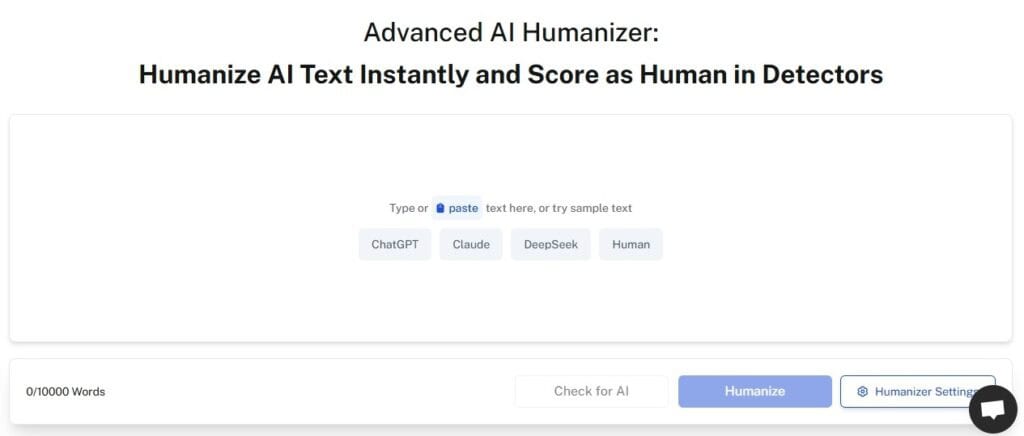
Se state scrivendo (o digitando) e avete bisogno di fare l'avvocato del diavolo, l'opzione Umanizzatore AI di Undetectable AI aiuta a rendere le risposte naturali e colloquiali.
Il vero avvocato del diavolo non ha l'aspetto di un avvocato che fa il controinterrogatorio a qualcuno. Sembra un amico che si preoccupa abbastanza da fare domande difficili.
Questi esempi funzionano perché si basano su situazioni reali in cui sfidare il consenso aiuta effettivamente a evitare gli errori.
L'avvocato del diavolo: Suggerimenti ed errori comuni
Per farlo bene ci vuole pratica. Ecco cosa funziona e cosa no.
Dos
- Fare: Fare domande invece di fare affermazioni. “Abbiamo considerato cosa succede se il finanziamento viene meno?” è meglio di “Questa idea fallirà sicuramente senza un finanziamento adeguato”.”
- Fare: Conoscere il proprio pubblico. Alcuni gruppi accolgono con favore le sfide e il dibattito. Altri li trovano minacciosi. Leggete la stanza.
- Fare: Riconoscere i punti di forza prima di evidenziare i punti deboli. “Mi piace la direzione creativa di questo progetto. La mia unica preoccupazione è la tempistica. Come la gestiamo?”. Questo approccio mantiene le persone ricettive.
- Fare: Portare soluzioni, non solo problemi. “E se facessimo un lancio graduale, in modo da poterlo testare prima con un gruppo più piccolo?” è molto più utile di “Potrebbe andare male in tanti modi”.”
Non fare
- Non farlo: Fare l'avvocato del diavolo su tutto. Se contestate ogni singolo punto in ogni singola riunione, le persone smetteranno di ascoltarvi. Scegliete le vostre battaglie. Risparmiatevi per le decisioni che contano davvero.
- Non fatelo: Farlo per sembrare intelligenti. Le persone capiscono quando si sollevano obiezioni per mettersi in mostra piuttosto che per migliorare il risultato.
- Non: Dimenticare di ascoltare davvero. A volte le persone hanno già pensato alla vostra obiezione. Se hanno una buona risposta, accettatela e andate avanti. Non continuate a insistere solo per sentirvi ascoltati.
- Non fatelo: Usarlo come copertura per essere semplicemente negativi. Alcune persone nascondono il loro pessimismo dietro al “sto solo facendo l'avvocato del diavolo”. Il vero avvocato del diavolo è costruttivo.
L'errore più grande? Confondere l'avvocato del diavolo con contrarianismo. I contrari dissentono per il gusto di dissentire. Gli avvocati del diavolo sono in disaccordo per migliorare le cose.
Frasi o concetti simili
Se l'avvocato del diavolo sembra troppo formale o drammatico per la situazione, provate queste alternative:
- “Mi permetta di insistere un attimo su questo punto”.” Più informale, stessa energia. Funziona benissimo nelle sessioni di brainstorming in cui si vuole mettere in discussione un'idea senza distruggere l'atmosfera.
- “Qual è lo scenario peggiore?”.” Fa riflettere sui rischi senza essere direttamente in disaccordo con le persone. Sembra collaborativo piuttosto che conflittuale.
- “Voglio essere sicuro che ci abbiamo pensato bene”.” Vi pone in una posizione di aiuto piuttosto che di critica. Stesso risultato, consegna più morbida.
- “Facendo l'avvocato del diavolo...”.” A volte dirlo ad alta voce aiuta. Le persone sanno che non le state attaccando personalmente. State mettendo alla prova l'idea.
- “Lasciatemi fare lo scettico per un minuto”.” Simile all'avvocato del diavolo, ma meno formale. È adatto a conversazioni informali.
- “Cosa mi sto perdendo?” Questo è subdolo. Invitate le persone a colmare le lacune e allo stesso tempo segnalate che qualcosa non quadra. Costringe a una riflessione più approfondita senza un confronto diretto.
- Pensiero critico è il concetto più ampio. L'avvocato del diavolo è uno strumento del kit del pensiero critico.
- Red teaming è la versione aziendale. Le aziende assumono persone appositamente per attaccare le loro idee e trovare vulnerabilità. È l'avvocato del diavolo, ma ufficiale e pagato.
- Lavorazione dell'acciaio è l'opposto dello strawmanning. Invece di indebolire l'argomentazione di qualcuno per abbatterla, la si rafforza fino alla sua versione migliore possibile e poi si vede se regge ancora.
Tutti questi strumenti condividono lo stesso scopo principale: testare le idee prima che diventino costosi errori.
I vantaggi di essere un avvocato del diavolo
Se fatta bene, questa abilità rende tutto più facile da capire e da agire.
- Decisioni migliori. I gruppi che accettano le sfide fanno meno errori stupidi. Se nessuno mette in discussione il piano, probabilmente il piano ha dei buchi che nessuno ha ancora notato.
- Idee più forti. La vostra idea potrebbe essere grandiosa. Ma se qualcuno la esamina e la migliora, potrebbe diventare ancora migliore. Questa è la crescita.
- Disastri evitati. Quante startup fallite si sarebbero potute salvare se qualcuno avesse fatto domande più difficili prima di bruciare i soldi degli investitori? Quante assunzioni sbagliate si sarebbero potute evitare con un controllo più accurato?
- Diversità di pensiero del team. Quando l'avvocato del diavolo è normalizzato, le persone si sentono più sicure nel condividere opinioni impopolari. L'innovazione vive tipicamente nello spazio scomodo tra accordo e conflitto.
- Crescita personale. Imparare ad argomentare posizioni che non si condividono approfondisce la comprensione. Si vede la complessità invece di scegliere una parte.
- Riduzione del pensiero di gruppo. I gruppi vanno naturalmente verso il consenso. È bello essere d'accordo. Ma il consenso senza sfida è solo un'illusione collettiva che indossa un vestito.
Quando si svolgono tesi o progetti di gruppo, l'utilizzo di Undetectable AI Controllore di plagio AI assicura che qualsiasi esempio o riferimenti sono originali. In questo modo, si costruiscono argomentazioni su basi solide, non su pensieri presi a prestito.
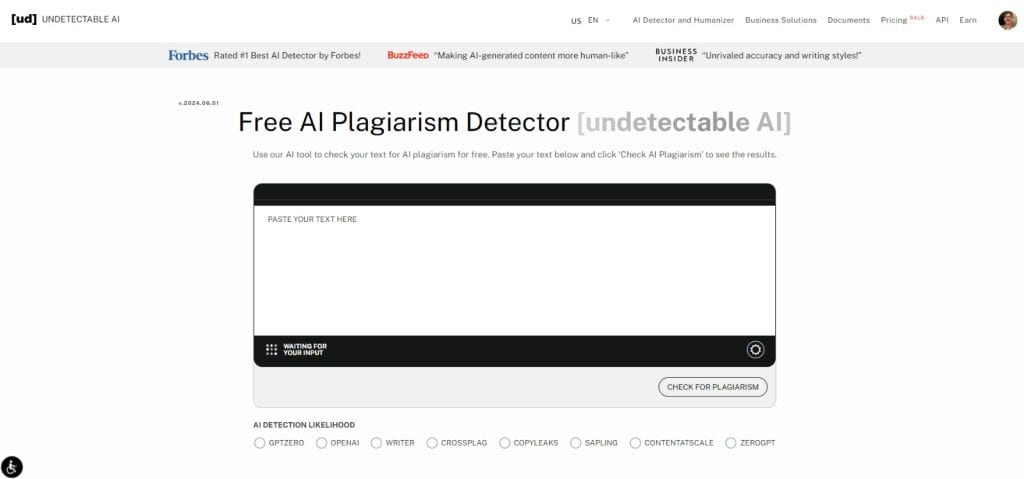
Poi, il Rivelatore AI di Undetectable AI verifica che il contenuto legga naturalmente ed è autenticamente umano. Il miglior avvocato del diavolo sembra una conversazione genuina, non un'esibizione da club di dibattito.
- Una migliore preparazione. Se siete in grado di difendere la vostra idea da sfide amichevoli, potete sicuramente difenderla da un'opposizione reale. Consideratelo un esercizio gratuito.
- Salvaguardie etiche. Alcune delle peggiori decisioni della storia sono avvenute perché nessuno era disposto a parlare. L'avvocato del diavolo crea un senso di autorizzazione a mettere in discussione l'autorità e l'opinione popolare.
Come usarlo in modo efficace
Sapere quando e come reagire separa l'utile dal dannoso avvocato del diavolo.
Scegliere il momento giusto
Non tutti i momenti hanno bisogno di una sfida. Scegliete le situazioni in cui la posta in gioco giustifica il disagio.
Le decisioni ad alto rischio meritano di essere esaminate. Assumere qualcuno, lanciare un prodotto, fare un investimento importante. Queste scelte hanno un impatto su più persone per lunghi periodi. Sfiducia.
Le decisioni a basso rischio non ne hanno bisogno. Quale ristorante scegliere per il pranzo? Sceglietene uno e basta. Risparmiate le energie per le cose importanti.
Le prime fasi del processo funzionano meglio delle ultime. Mettete in discussione le idee durante il brainstorming, non dopo che tutti si sono impegnati e hanno iniziato l'esecuzione. Una volta che le persone sono emotivamente coinvolte, le reazioni contrarie vengono percepite come un attacco.
Fate ricorso quando avete delle preoccupazioni autentiche, non solo per il gusto di farlo. Chiedetevi se state sollevando la questione perché vedete un problema reale o se siete solo a disagio con l'accordo.
Mantenere il rispetto
Il vostro tono conta più del vostro punto di vista.
Inquadratela come curiosità, non come critica. “Mi chiedo se...” funziona meglio di “Non funzionerà perché...”.”
Riconoscete che potreste sbagliarvi. “Forse mi sfugge qualcosa, ma...” dà spazio alle persone per istruirvi piuttosto che per difendersi.
Concentratevi sull'idea, non sulla persona. “Questo approccio presenta dei rischi” e “Non ci hai pensato bene” sono frasi molto diverse con un impatto molto diverso.
Utilizzare un linguaggio collaborativo. “Dovremmo considerare...” invece di “Dovete pensare a...”. Piccole modifiche alle parole, grande differenza nella ricezione.
Non siate compiaciuti. Anche se avete ragione, a nessuno piace chi dice “te l'avevo detto”.”
Incoraggiare il dialogo aperto
Fate in modo che gli altri possano fare lo stesso con voi.
Accogliete le sfide alle vostre idee. Se si è in grado di rispondere ma non di accettare, non si è un avvocato del diavolo.
Creare uno spazio esplicito per il disaccordo. Durante le riunioni, chiedete: “Cosa non stiamo considerando?” o “Chi la vede diversamente?”.”
Premiate le persone che intervengono, anche se il loro punto di vista non cambia la decisione. “Questa è un'ottima domanda” o “Sono contento che tu l'abbia sollevata”, incoraggiano la partecipazione futura.
Separare il brainstorming dal processo decisionale. Lasciate che le persone si sfidino liberamente durante l'esplorazione. Quando è il momento di decidere, impegnatevi a seguire la direzione anche se non era la vostra preferita.
Costruire una cultura in cui il “non sono d'accordo” sia rispettato, non punito. Questo richiede tempo e costanza, ma ripaga con risultati migliori e team più felici.
Testate il nostro AI Detector e Humanizer con il widget qui sotto!
In disaccordo con lo scopo
Fare l'avvocato del diavolo può essere incredibilmente utile.
I team migliori hanno persone che si preoccupano abbastanza da fare domande difficili. Preferiscono avere una conversazione scomoda ora che un disastro dopo. Sanno che l'accordo è positivo, ma non garantisce il successo.
La frase potrebbe far riferimento al diavolo, ma in realtà la pratica è piuttosto angelica. Protegge le persone dai loro punti ciechi, rafforza le idee che sopravvivono alla sfida e impedisce che il pensiero di gruppo si mascheri da consenso.
Ricordate: l'obiettivo è migliorare i risultati, non dimostrare di essere la persona più intelligente nella stanza. Sfidate le idee perché volete che abbiano successo, non perché volete che falliscano.
E quando qualcuno fa l'avvocato del diavolo con la vostra idea, ringraziatelo. Vi sta facendo un favore, anche se sul momento non sembra.
Affilate le vostre argomentazioni e mantenete un tono umano.AI non rilevabile vi aiuta a perfezionare le idee senza perdere la vostra voce naturale.