
Meredith Grey saves lives for a living on your TV screen.
Henry Gray wrote the massive medical textbook she likely spent her residency studying from.
Have you noticed something?
Both share the same surname. But if you notice, one carries an “e” while the other has “a.”
Why is that? Why does the color gray or grey follow these rules?
That’s exactly what we are covering in this blog.
You’ll learn the difference between the grey or gray, when to use each one, common mistakes, and tips along with examples to settle the is it grey or gray debate once and for all.
Let’s dive in.
Key Takeaways
- The main difference between color grey or gray is purely geographical: “A” for America, “E” for England.
- Both spellings represent the exact same grey or gray color; they are interchangeable in meaning but not in style.
- Surnames and brand names (like Earl Grey or Grey’s Anatomy) have fixed spellings that never change.
- In physics, the unit of radiation is always spelled “Gray” (Gy) globally.
- Google’s 2026 algorithm prioritizes regional consistency. Don’t mix both in a single document.
What’s the Difference Between Gray vs Grey
There is no difference in meaning between the two.
Both spellings come from the Old English word grǣg.
That word contained a letter called “ash” (æ), a character that no longer exists in modern English spelling.


Never Worry About AI Detecting Your Texts Again. Undetectable AI Can Help You:
- Make your AI assisted writing appear human-like.
- Bypass all major AI detection tools with just one click.
- Use AI safely and confidently in school and work.
As English evolved:
- Some writers replaced æ with a → gray
- Others replaced æ with e → grey
By the 18th century, grey became standard in Britain.
In the 19th century, American spelling reforms influenced by lexicographers like Samuel Johnson (earlier standardization in Britain) and later Noah Webster pushed gray as the preferred U.S. spelling.
By the 20th century, the divide was fully established:
- United States → gray
- UK, Canada, Australia, NZ, Ireland, South Africa → grey
Whether you are describing a grey or gray color, they can be used as a noun, adjective, or verb, and the regional rule stays consistent across all forms.
| Part of Speech | American (Gray) | British (Grey) |
| Adjective | She wore a gray scarf. | She wore a grey scarf. |
| Noun | The sky was a deep gray. | The sky was a deep grey. |
| Verb | His hair is beginning to gray. | His hair is beginning to grey. |
Is it grey or gray? A quick comparison
| Feature | Gray | Grey |
| Preferred Region | United States | UK, Canada, Australia, NZ, Ireland, South Africa |
| Origin | Old English grǣg (via “a” replacement) | Old English grǣg (via “e” replacement) |
| Pronunciation | /ɡreɪ/ | /ɡreɪ/ (identical) |
| Scientific Use | Gray (Gy). SI unit of radiation dose | “Grey Matter” (brain tissue term common outside US) |
| Proper Nouns | The Picture of Dorian Gray (US spelling in title editions) | Earl Grey (as in Earl Grey tea), Grey’s Anatomy |
When to Use Gray
If your target market is in the States, choosing the color gray or grey becomes simple. Stick with the “a.”
Use gray when:
- You’re writing for a US audience
- You’re writing academic or professional content for American publications
- The style guide you’re following is American (AP Style, Chicago, APA/US)
- You’re creating content for American brands or media
Examples with gray:
- The new apartment had gray hardwood floors throughout.
- Her eyes were a striking shade of pale gray.
- The report identified several gray areas in the new policy.
- After the storm, the entire city was covered in a thick gray fog.
- American Crayola crayons label the color simply as “gray.”
When to Use Grey
Outside the US, the grey or gray color debate is usually settled in favor of the “e.”
Use grey when:
- You’re writing for a UK, Canadian, Australian, or international audience
- You’re submitting to British or Commonwealth academic journals
- The style guide you’re following is British (Oxford, Cambridge, BSPS)
- You’re referencing British brands, products, or cultural items that use “grey”
Examples with grey:
- The old castle walls had turned a mossy grey over centuries.
- She stirred her Earl Grey tea and stared out the window.
- The grey squirrel darted across the garden path.
- His tweed jacket was a classic charcoal grey.
- The winter sky over London was a familiar, flat grey.
Gray vs Grey in Real Sentences
If you are still asking is it grey or gray, seeing them in action helps.
10 Examples of Gray (US Style):
- The gray squirrel climbed the oak tree.
- She painted her bedroom a soft shade of gray.
- It was a cold, gray morning in Chicago.
- He drives a gray sedan.
- The gray area in the contract caused confusion.
- A gray whale was spotted off the coast.
- My favorite t-shirt is heather gray.
- The old man had a long gray beard.
- Gray skies don’t always mean rain.
- The office walls are a boring gray.
10 Examples of Grey (UK Style):
- The grey mist covered the Scottish Highlands.
- I prefer grey ink for my fountain pen.
- The grey wolf is a majestic animal.
- She wore a stunning grey silk dress.
- The cat has beautiful grey fur.
- London is famous for its grey weather.
- He sipped a cup of Earl Grey tea.
- The grey stone of the castle was centuries old.
- There is a grey area in the new UK legislation.
- The elephant’s skin was thick and grey.
Gray vs Grey in Culture and Media
Proper nouns are the ultimate exception. You don’t choose the color grey or gray here. You follow the original name:
Literature
Authors almost always follow the spelling convention of their own nationality and intended market:
- The Picture of Dorian Gray (Oscar Wilde, Irish — but published for a Victorian British market with an “a” in Gray, which was Wilde’s stylistic choice and is now the canonical title)

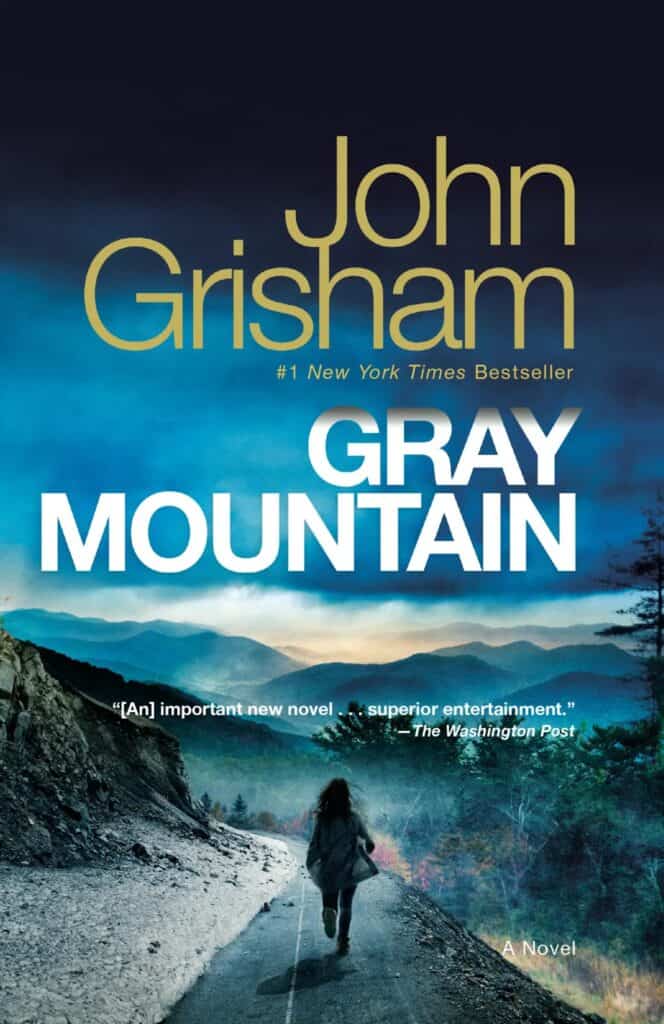
- Gray Mountain — American author John Grisham uses “a” per American convention
- The Grey — Canadian-filmed movie (2011, starring Liam Neeson); “grey” for international/British-influenced markets

Television and Film
- Grey’s Anatomy (US TV drama) — uses “Grey” because it refers to the surname of character Meredith Grey.

- Grey Gardens (US documentary, 1975) — proper noun, fixed spelling

- Gandalf the Grey (The Lord of the Rings, written by British author J.R.R. Tolkien) — British spelling throughout Tolkien’s work

Brand Names and Products
Brand names have fixed spellings regardless of which country you’re in:
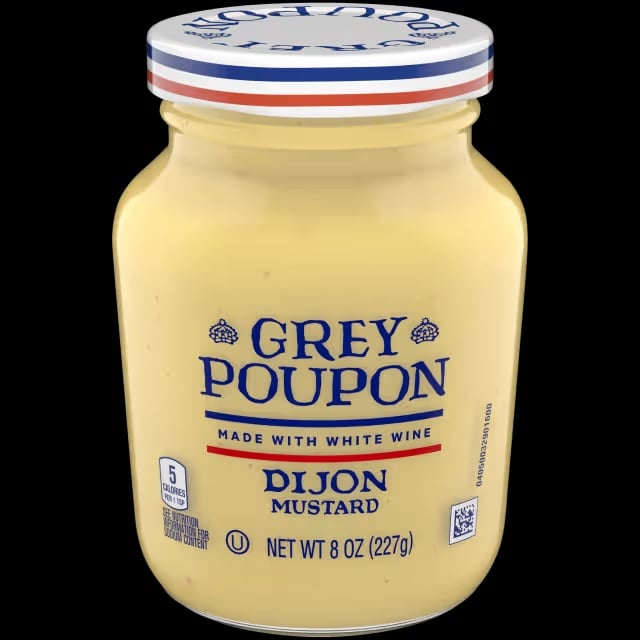
- Grey Poupon mustard — originated in France, always spelled with “e” globally
- Grey Goose vodka — French brand, “e” spelling used worldwide

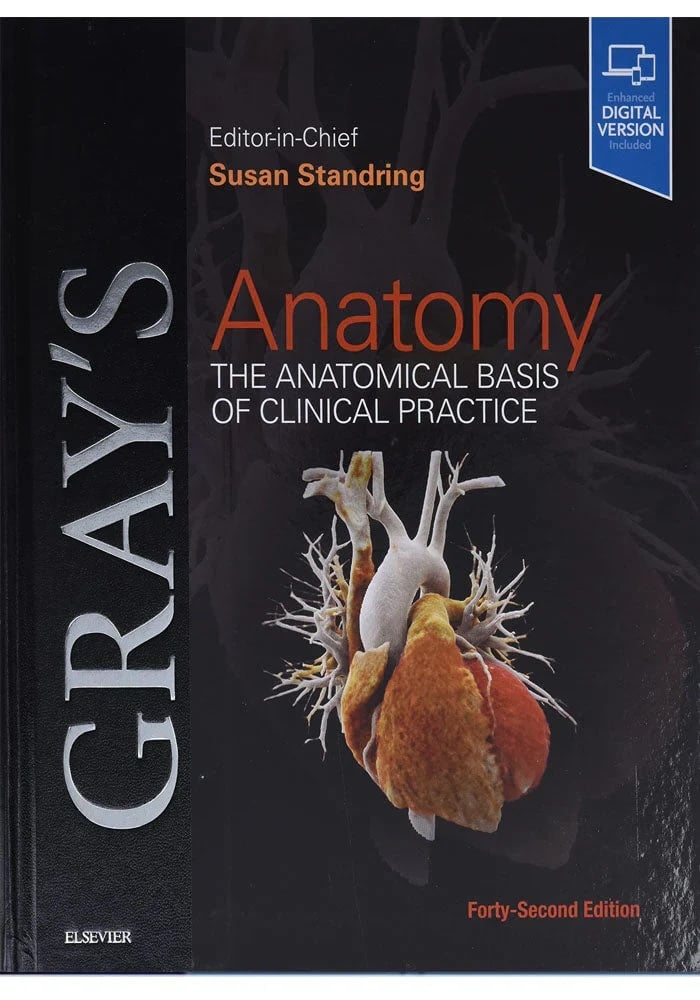
- Gray’s Anatomy (the medical textbook, not the TV show) — uses “a” because it’s named after British anatomist Henry Gray (a proper surname)
Spelling can slightly change the feel of your writing. “Gray” often sounds modern or industrial. “Grey” can feel softer or more elegant.
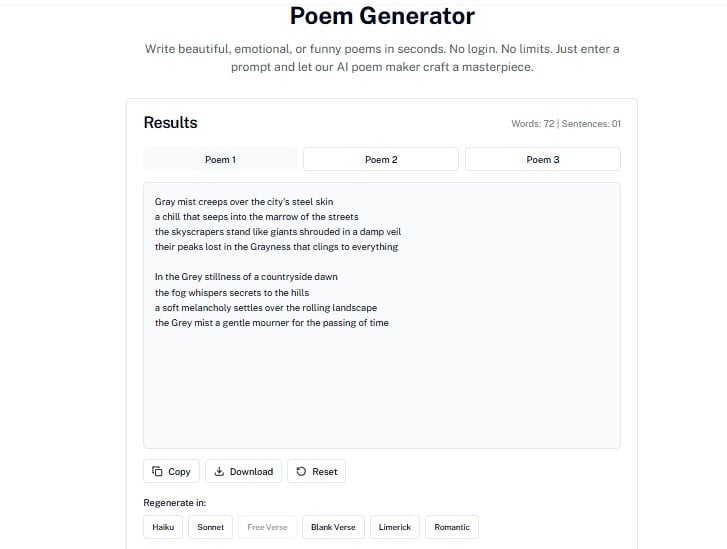
If you’re unsure which mood fits your story or poem, use our Poem Generator.
It creates simple example verses that show how each spelling changes the tone, so you can choose the one that matches the feeling you want.
Here is an example:
Common Mistakes to Avoid
Here are the most frequent errors with grey or gray difference, and how to fix them:
Mistake 1: Mixing spellings in the same document
Wrong: The gray walls contrasted with the grey ceiling tiles.
Correct (US): The gray walls contrasted with the gray ceiling tiles.
Correct (UK): The grey walls contrasted with the grey ceiling tiles.
Inconsistency is the #1 issue editors flag. Pick one and use it throughout.
Mistake 2: Changing proper nouns based on your regional spelling
Wrong: She ordered a cup of Earl Gray tea.
Correct: She ordered a cup of Earl Grey tea.
The “e” in Earl Grey is part of the proper name. It never changes.
Mistake 3: Spelling “Greyhound” as “Grayhound”
Wrong: The grayhound sprinted around the track.
Correct: The greyhound sprinted around the track.
The word “greyhound” is always spelled with an “e.” Its etymology has nothing to do with the color gray/grey.
If you’ve realized your draft is a messy mix of US and UK spellings, or your sentences feel clunky while trying to fix them, then try this Paraphrasing Tool.
It scans your text, identifies mixed-use examples, and rewrites them for maximum clarity while maintaining your original meaning.
It’s the fastest way to ensure your writing stays professional and polished.
Mistake 4: Spelling the radiation unit “grey” (Gy)
Wrong: The patient received 60 greys of radiation.
Correct: The patient received 60 grays (Gy) of radiation.
The SI unit of absorbed radiation dose is always “gray” (symbol: Gy), named after physicist Louis Harold Gray. It is never spelled “grey” in scientific writing.
Mistake 5: Thinking “grey” is always a mistake in American writing
Wrong Assumption: “Grey” is a spelling error in American English.
Correct: “Grey” is an accepted variant in American English, it’s simply less common.
It is required when writing a proper noun like “Grey’s Anatomy” or “Grey Goose.”
Mistake 6: Changing character or brand names in creative writing
Wrong: She watched an episode of Gray’s Anatomy.
Correct: She watched an episode of Grey’s Anatomy.
In that title, “Grey” is a character surname. You don’t adjust it for American spelling.
Tips for Choosing the Right Spelling
Tip 1: Use the “A for America, E for England” memory trick
The most popular and reliable memory device:
grAy → A is for America
grEy → E is for England
If you know which variety of English you’re writing in, this trick makes the choice instant.
Tip 2: Always preserve proper noun spellings
Never correct someone’s name, brand name, or established title:
| Proper Noun | Always Spelled |
| Earl Grey tea | Grey (always “e”) |
| Greyhound dog/bus | Grey (always “e”) |
| Gray’s Anatomy (textbook) | Gray (Henry Gray’s surname) |
| Grey’s Anatomy (TV show) | Grey (Meredith Grey’s surname) |
| Grey Goose vodka | Grey (brand name) |
| Grey Poupon mustard | Grey (brand name) |
| Fifty Shades of Grey | Grey (character surname + book title) |
| The Picture of Dorian Gray | Gray (Wilde’s canonical title) |
| Gray (Gy) — radiation unit | Gray (SI unit named after Louis Harold Gray) |
| Grayling (fish species) | Gray (always “a”) |
Tip 3: Check your style guide
If you’re writing professionally, your style guide is the final authority:
- AP Stylebook (US) → gray
- Chicago Manual of Style (US) → gray
- APA Style Guide (US) → gray
- Oxford Style Guide (UK) → grey
- Cambridge Style Guide (UK) → grey
- The Economist Style Guide (international) → grey
Tip 4: In code, both work but pick “gray” for broader support
In CSS and HTML, both color: gray and color: grey produce the same result (#808080).
However, for maximum compatibility and consistency with technical documentation, most developers use “gray” in code comments and style guides.
Tip 5: If you’re writing for a global audience, just be consistent
There’s no correct spelling for international writing.
Choose one form at the start of your document, project, or content calendar, and stick with it throughout. Mixing is the only actual error.
Even when you follow all the rules, technical examples can sometimes feel stiff or robotic.
If you want to ensure your sentences don’t just follow the rules but resonate with your readers, use this AI Humanizer tool.
It refines your examples to make them feel realistic, conversational, and easy to understand, bridging the gap between grammatically correct and naturally written.
Use our AI Detector and Humanizer right in the widget below!
Final Thoughts
At the end, gray and grey are the same words with the same meanings.
Neither is wrong, more sophisticated, traditional, or correct than the other.
Here is the rule of thumb:
- For American English: Lead with gray.
- For British, Canadian, or Australian English: Stick with grey.
- For Proper Nouns: Honor the original spelling (e.g., Earl Grey or Dorian Gray).
- For Scientific Measurement: Always use gray (Gy) for radiation.
The next time you pause and think if it is grey or gray, you’ll be making an informed decision.
And that clarity ensures your writing remains sharp, professional, and anything but ambiguous.
Keep your spelling precise and your tone natural with Undetectable AI before you publish.