
Word count isn’t just something your teachers care about when marking essays or bloggers obsess over for SEO.
It can actually be a factor that can make or break your next business or school presentation, too.
If you cram too much text onto a single slide, your audience’s eyes might squint (or worse, they’ll just stop reading).
Keeping tabs on your word count helps you find that sweet spot between too little information and overloading everyone.
So, whether you’re piecing together a pitch or trying to put together a report that keeps everyone engaged, knowing how to check word count on Google Slides will keep things nice and clear.
Google Slides doesn’t make this easy, but with these quick workarounds, you’ll see just how to find the word count you need.
Key Takeaways
- The most critical step in rewriting is to maintain the original core message and emotional tone, acting as a translator from complex language to clear language.
- You should apply the 7 Essential Techniques, using strategies like paraphrasing, breaking up long sentences, and prioritizing active voice to systematically boost clarity and flow.
- The Undetectable AI Checker and the manual technique of reading your work aloud are powerful methods for catching awkward phrasing and ensuring a natural, human sound.
- Never rewrite a sentence in isolation; always consider the surrounding paragraph to ensure the new sentence contributes to the overall rhythm and narrative progression.
Does Google Slides Have a Word Count Tool? (Hint: It Doesn’t)
If you’ve been poking around trying to figure out where on earth word counting works in Google Slides, you’ve probably hit a brick wall—and that’s why you’re here.
Unlike Google Docs, where the word count is easily accessible, Slides skips over this feature completely.
Why? It likely has to do with Google Slides focusing on visuals rather than dense blocks of text.


Never Worry About AI Detecting Your Texts Again. Undetectable AI Can Help You:
- Make your AI assisted writing appear human-like.
- Bypass all major AI detection tools with just one click.
- Use AI safely and confidently in school and work.
Just because it’s not there doesn’t mean you’re out of luck.
There are super simple workarounds using Google Workspace itself, which we will detail below.
The Workaround: How to Check Word Count on Google Slides in 3 Simple Steps
As you have probably already figured out, Google Slides does not come with a native word count tool.
But with some creativity and know-how, it’s quite easy to figure out how to view the word count on Google Slides.
Here’s a quick and easy way to do it using tools you already have:
1. Export or Copy Your Text
You have two options here, depending on the length of your slideshow:
- For shorter presentations: Simply copy the text from each individual slide by highlighting the text, right-clicking, and selecting Copy.
- For longer presentations: Exporting the entire thing to a text file may be faster. To do this, click on the File button in the top left corner, then go to Download, and finally select Plain text (.txt). Save the text file for the next step.
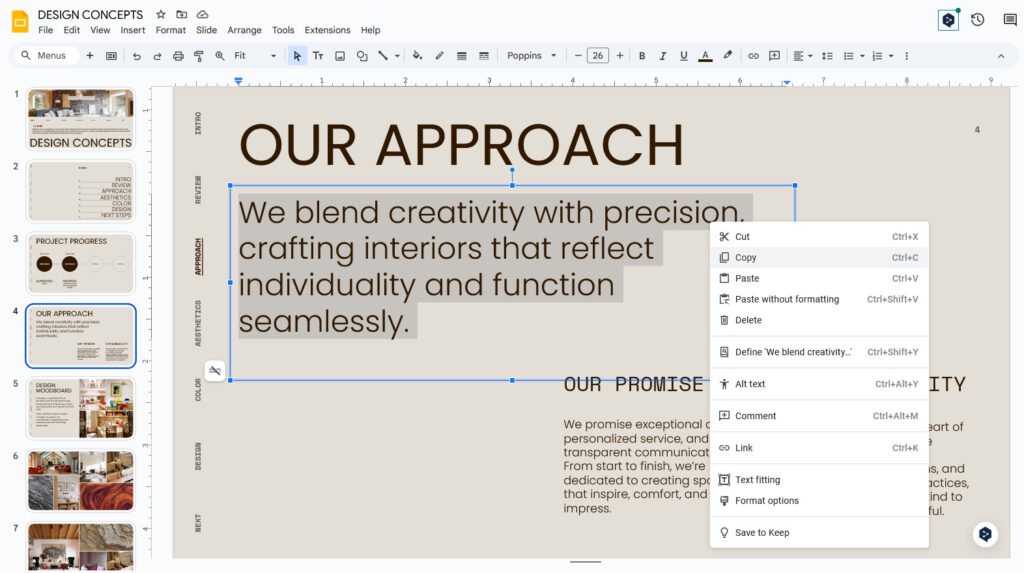
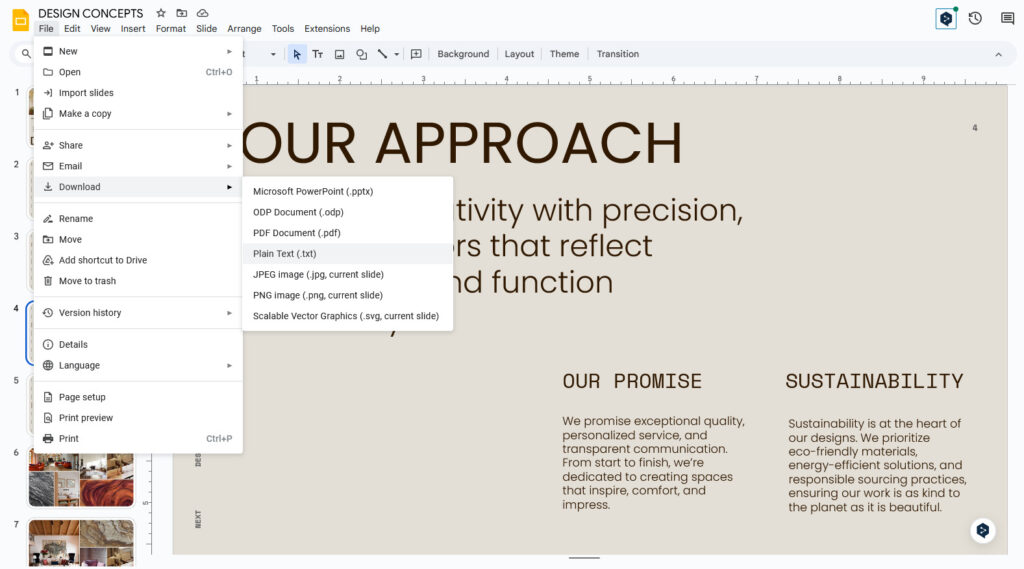
Note: The export method copies everything, including page numbers and speaker notes. This can be faster, but if you only want the text on the slides, the copy/paste method is more accurate.
2. Paste Everything into Google Docs
Open up a blank Google Doc and paste all the copied text in there. You can do this by right-clicking in the whitespace and selecting Paste.
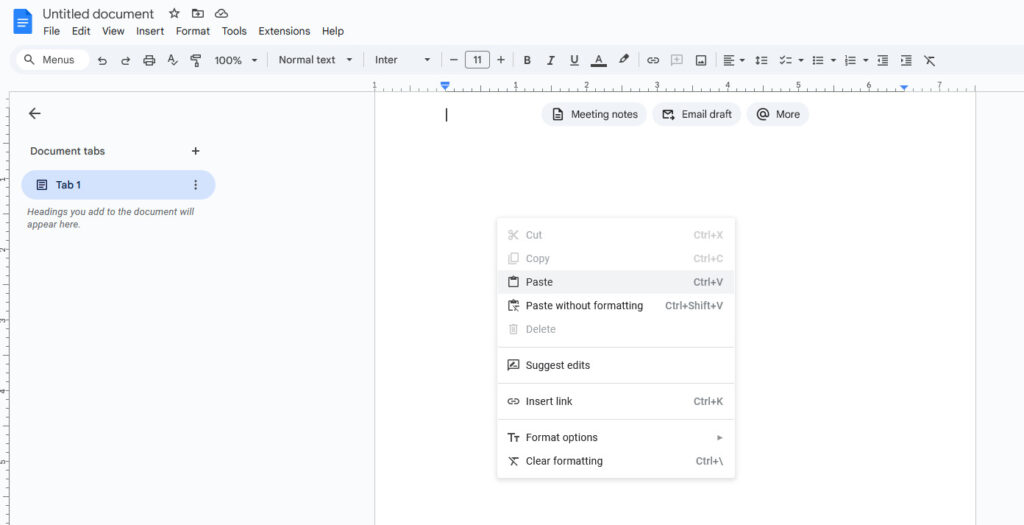
If you opted to export to a text file, open it in a simple text editor (like Notepad on Windows or TextEdit on macOS), then highlight and copy all the text before pasting it into the Google Doc.
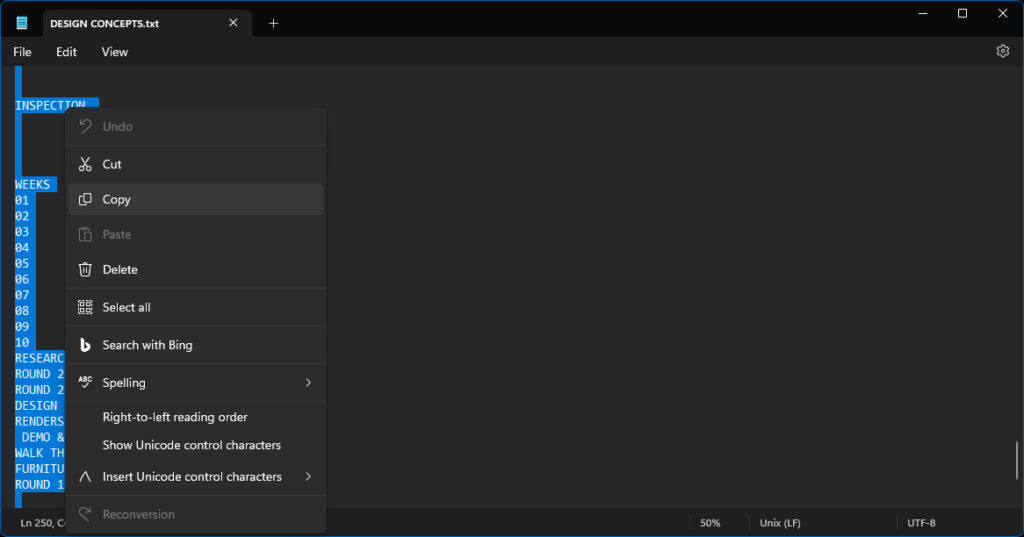
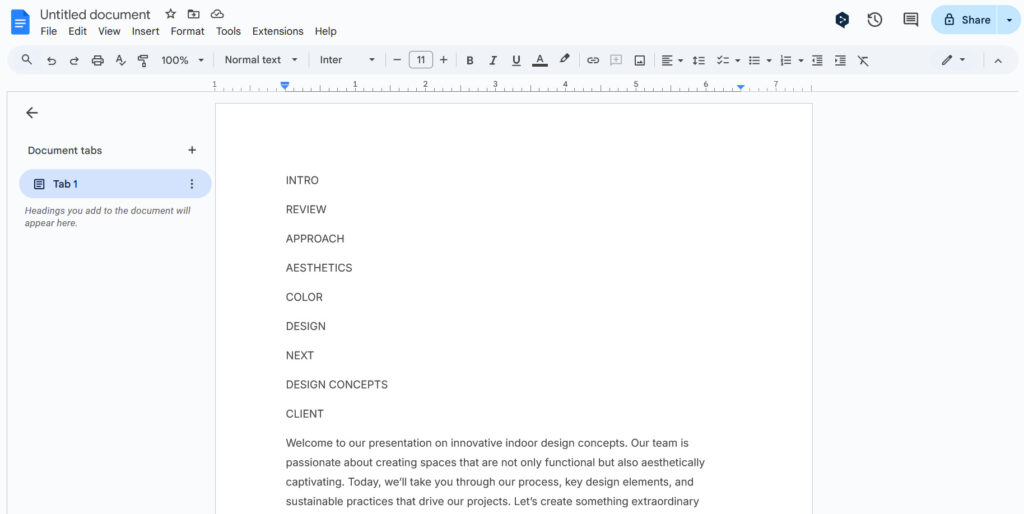
Why use Google Docs for this? It’s one of the best word count tools available, and since you’re already using Google Workspace, it makes sense for a smooth workflow.
3. Use the Google Docs Word Count Tool
This is the final step in how to do the word count on Google Slides.
Once you have pasted your text into Docs, click on Tools > Word Count or hit the shortcut (Ctrl+Shift+C on Windows, Command+Shift+C on Mac).
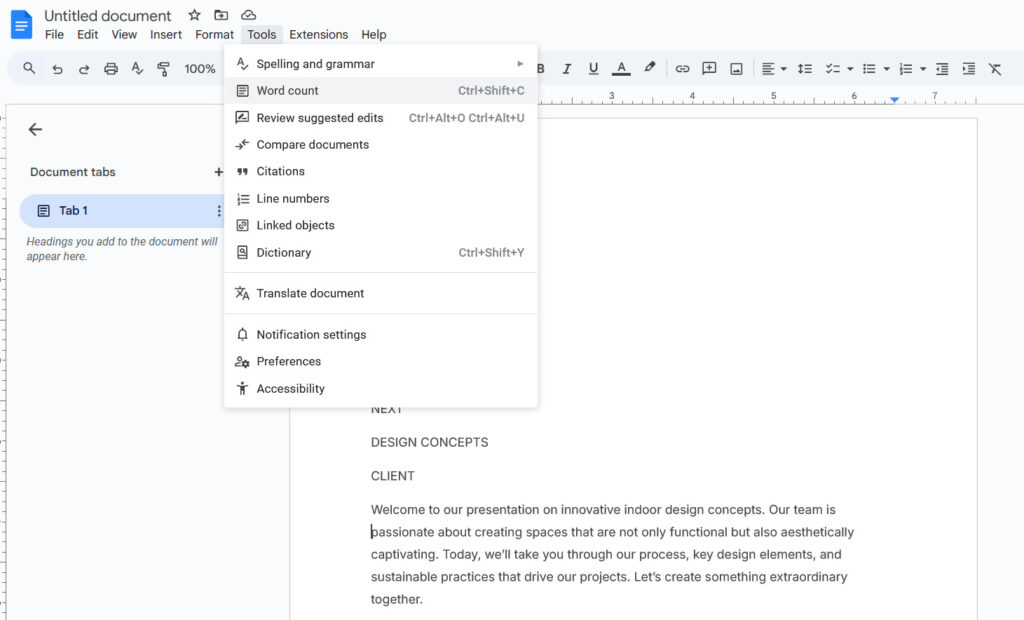
Google Docs will display the word count instantly, along with additional stats like character count and page count.
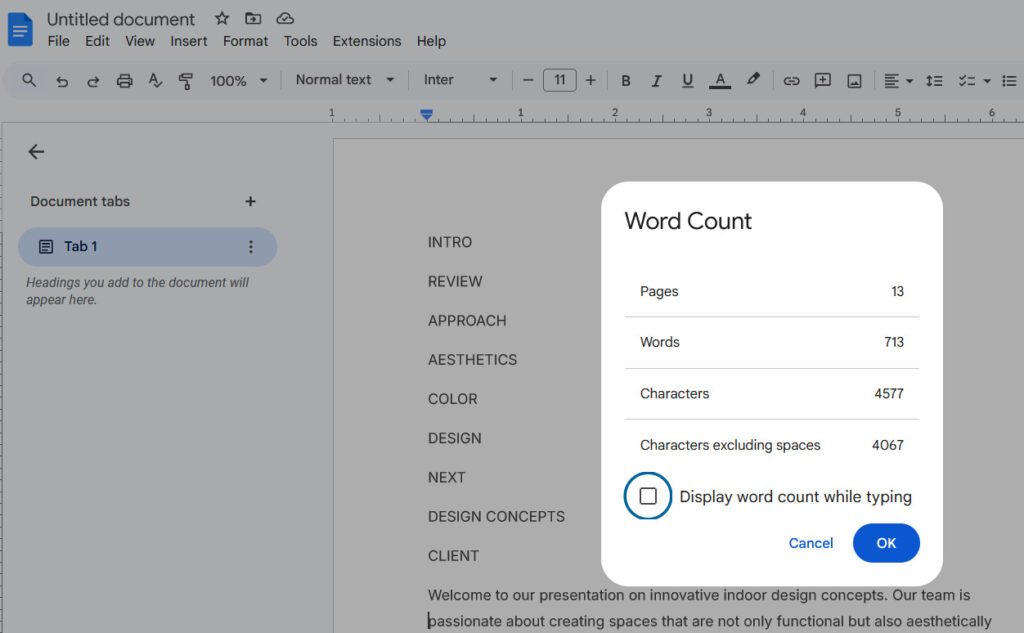
Getting the word count does involve a few extra steps, but it’s quick, painless, and gets you the word count without involving any third-party applications.
Alternative: Using Online Word Count Tools
If copying and pasting into Google Docs seems a bit tedious, you can use a free online word counter instead.
These handy websites let you check the word count in a few easy steps and can even give you some extra statistics that Google Docs doesn’t, like the readability level.
You can either copy your slides one at a time or export your presentation as a text file (as in step 1).
Next, head over to a trustworthy online word counter.
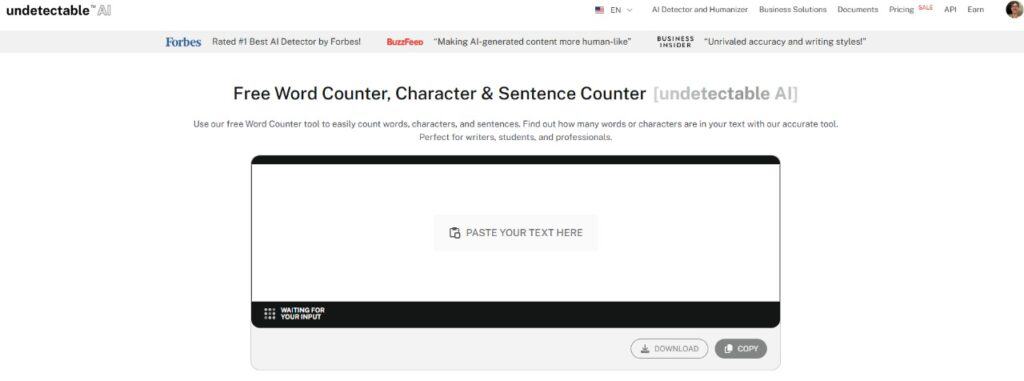
We recommend using our own Undetectable AI’s Word Counter, which also offers a Paraphrasing Tool for refining your text instantly.
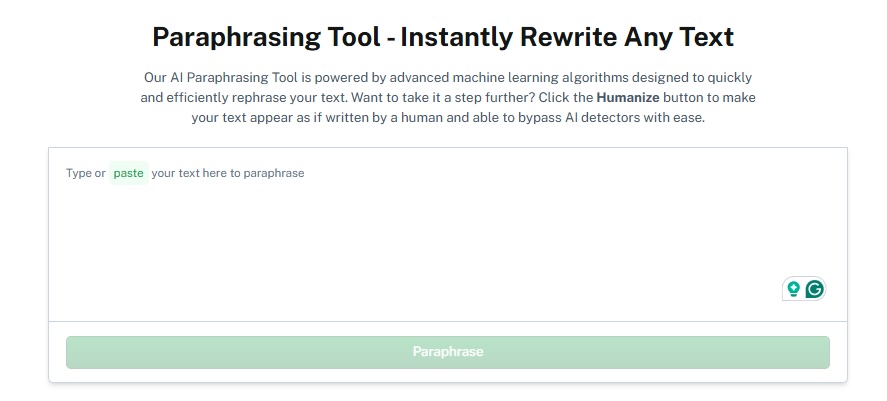
Just paste your text into the box, and you will receive an accurate word count in seconds. No sign-up is required, and the interface is clean and easy to use.
Tips for Improving Your Google Slides Presentation
Hitting that sweet spot for your presentation’s word count isn’t the only factor when making truly effective Google Slides.
Here are a few tips and tricks you can use to not only keep your audience tuned in but make the slides work for you.
1. Pick Fonts That Actually Work
There’s so much more than Times New Roman in the world. Fonts set the vibe for the entire presentation.
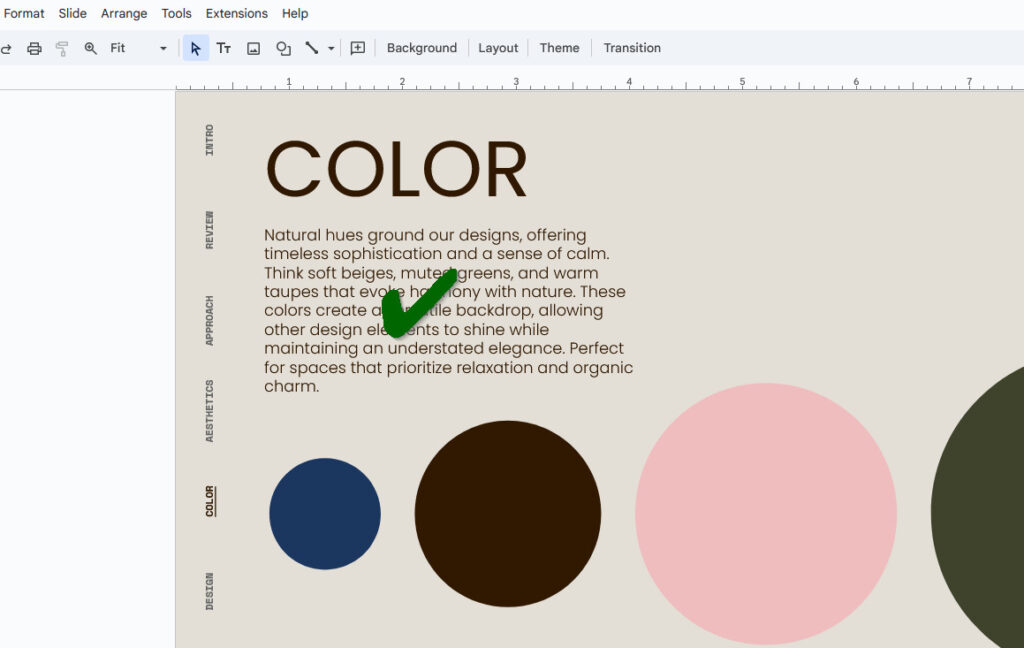
Stick to sans-serif fonts that are clear and easy to read from a distance—something like Arial or Roboto.
Avoid overly decorative fonts if you want more than just the front row to be able to read them.
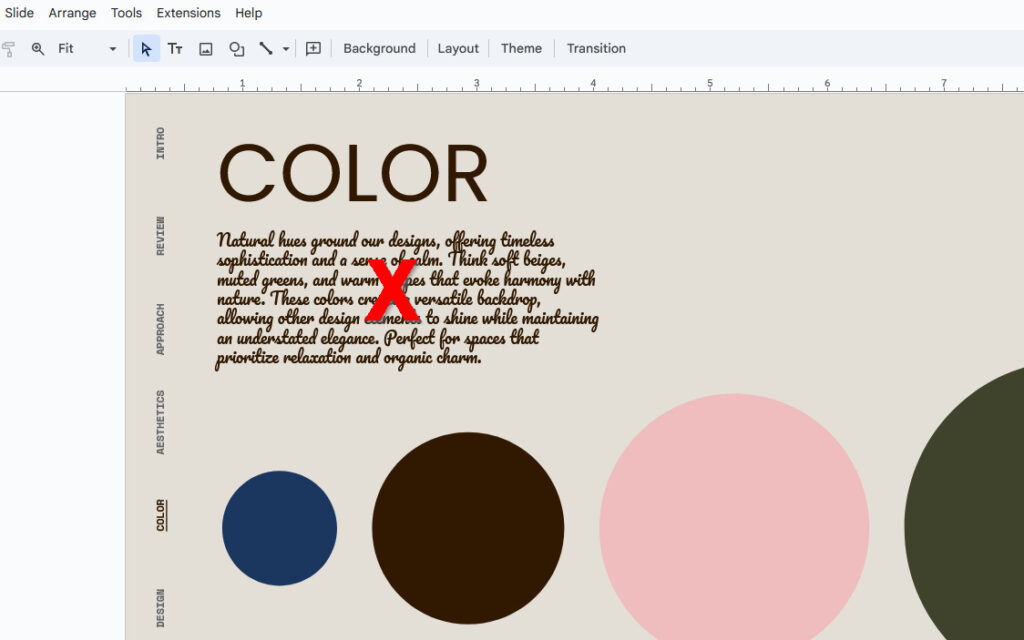
For more on choosing fonts, a 2025 typography study confirms that readability is dramatically improved by selecting clear, simple fonts.
2. Keep Text Blocks Short and Sweet
Have you ever seen a slide so packed with text that you needed binoculars to read it?
It’s best to keep slide text to a minimum.
Trim your slides down to the bare essentials—use bullet points and short sentences, not paragraphs.
Your slides are there to back up your speech and presentation, not to take away the spotlight from what you’re trying to say.
3. Make it Easy to Skim
People don’t read slides like they read novels. They tend to focus on headings and bullet points and then skim the rest.
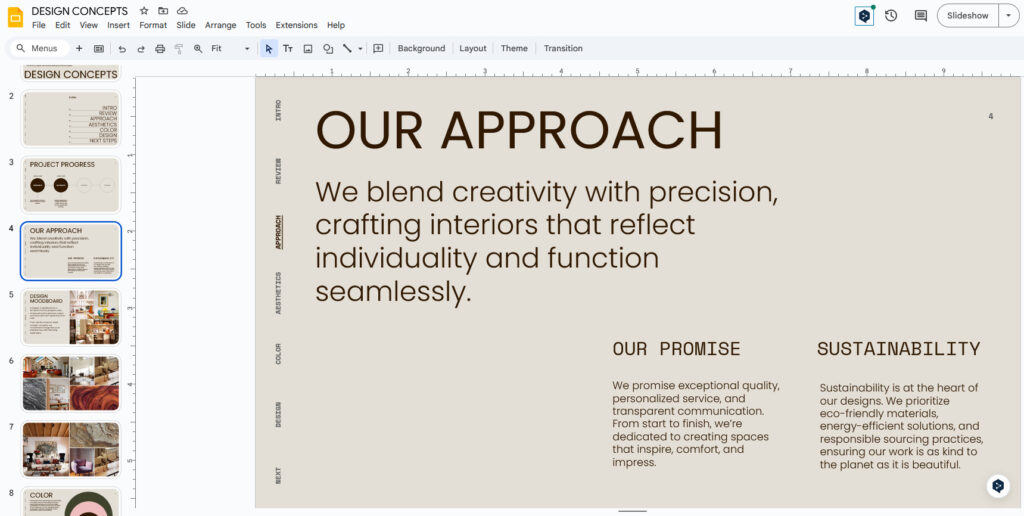
Use bold headers and bullet points to break up ideas and call attention to the information you want the audience to absorb the most.
Organize them logically so the main points can be grasped at a glance, with information presented left to right.
Simple structure makes a big difference.
4. Write Like a Human
If you have used generative AI like ChatGPT to create the bulk of the text on your slide, you might find the tone and style is quite robotic.
This is particularly problematic for presentations that rely on connection and persuasion.
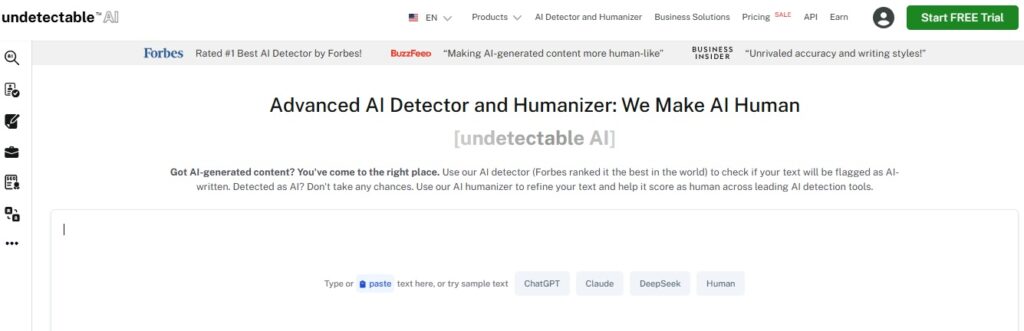
You’ll want to use our AI Humanizer to add some personality and human touch to your writing.
This way, when your audience reads the content on your slides, they’ll feel as though they’re having a conversation with you, not a textbook.
Use our AI Detector and Humanizer widget instantly.
Frequently Asked Questions
Can I Check Word Count Directly in Google Slides?
Short answer: No. Google Slides hasn’t yet included a native function that can count how many words you have in your presentation.
This is most likely due to Google viewing Slides as more of a visual affair rather than a written one, encouraging conciseness.
That said, you’re not without options; you can copy your text into Google Docs or an online tool to get an accurate number
Is There a Shortcut for Word Count in Google Slides?
Not directly within Slides, but there are several fast alternatives.
The quickest option is to copy the text from your slides and paste them into Google Docs.
You can then use the word count tool shortcut (Ctrl+Shift+C on Windows or Command+Shift+C on Mac) to quickly bring up a word count.
For a quick overview, export the slideshow using File > Download > Text file (.txt), then copy its contents into our Undetectable AI’s Word Counter tool.
Conclusion
Unfortunately, Google Slides still doesn’t include a native word count tool for their presentation creation platform, but figuring out how to do word count on Google Slides is easy with our three steps.
Sure, it does take a little extra time, but using Google Docs or an online word-counting tool means you’ll have a better idea of how your slides read to your audience.
Tracking the word count helps to keep your slides concise and engaging without drowning the audience in text.
After all, they’re there to hear you out, not read your thoughts on slides.
Pair these tips with Undetectable AI, and your presentation slides will read more naturally and be far more relatable.
At the end of the day, it’s not just about counting words but creating presentations that stick.