
Is it a license or licence? Do I get a driving licence or license? Far too many times, I have seen English learners having an outburst about what exactly they should use this word correctly.
The problem is, English has been through quite a bit of evolution on the two sides of the Atlantic.
The English Americans speak is very different from that of the British, in terms of dialect, pronunciation, spellings, some grammar rules, literally everything.
And this spelling confusion is just one of those differences. Technically, both are correct on their own. But when used in a sentence, you must know whether you have been writing in an American vs British dialect, and whether you want to use the word as a noun or a verb.
In this article, I’ll make the differences between the two spellings, license or licence, super clear, so you’ll never get them wrong again. Ready?
Key Takeaways
- The licence or license spelling difference is that of the American and British differences, common with many other words.
- License is primarily used in American English, both as a noun and as a verb. It is also used by the British as a verb, whereas ‘licence’ is used as a noun.
- If you are writing for an international audience, it is better to stick with the American version, i.e., ‘license’ for both the noun and the verb. Some non-native countries, however, may still prefer the British spelling rules because of their historic ties with the Commonwealth.
What’s the Difference Between License or Licence
The license vs licence debate is a classic example of the use of similar-sounding, even similar-meaning, English words that end up confusing even native speakers.
Technically speaking, license (with an ‘s’) and licence (with a ‘c’) are both correct words. Their usage, however, is determined by the region you live in.
In American English, license (the ‘s’ version) is used both as a noun and a verb.


Never Worry About AI Detecting Your Texts Again. Undetectable AI Can Help You:
- Make your AI assisted writing appear human-like.
- Bypass all major AI detection tools with just one click.
- Use AI safely and confidently in school and work.
In British English, licence (with a ‘c’) is the noun, as in your driver’s licence, and the -s version of license is the verb.
Core Meaning
The core meaning of licence or license, regardless of the difference in spellings, is the permission or authorization to do something.
But like the majority of English vocabulary, different forms of the base word are used as different parts of speech, i.e.,
- Noun: A formal document issued by an authority that gives you permission to do something. Examples include:
- A driving licence
- A gun license
- A liquor licence
- A software license
- Verb: To grant an official permission to someone (a person or an organization) to do something. For instance, ‘The state licenses medical practitioners to open their private practice.’
- Adjective: Used to describe the process of granting licences or having received a licence, examples of which include:
- Licensed software
- Licensed firearms
- Licensing board or authority
Why English Has Two Spellings
Why exactly do such differences between the American and the British versions of English exist? No one really knows why. It is partly due to geographical separation that led to independent evolution of the language in both locations for hundreds of years.
The Americans have always believed in making life easy for themselves, and this licence or license confusion is no different.
American English follows one consistent spelling, license (the -s form) as a noun, verb, adjective, and everything.
| Part of Speech | Spelling | Example |
| Noun | license | a driver’s license |
| Verb | license | The state licenses the contractors. |
| Adjective | license | a licensed contractor |
The British version of English, however, has some changes to the spelling based on the part of speech you use the word in. As I said, they use licence (with a c) as a noun and license (with the s) as verb and adjective.
| Part of speech | Spelling | Example |
| Noun | licence | She applied for a driving licence. |
| Verb | license | The council will license the premises. |
| Adjective | Licensed / licensing | a licensed premises / the licensing authority |
The noun/verb split of spelling in British English is consistent with many other words, such as advice/advise and practice/practise.
When to Use License
If you are writing for the American audience, you will spell it as license in whatever word form it is used.
American English made the decision to collapse both spellings into one decades ago, so there is no context in American writing where ‘licence’ is correct.
To orient you better, look at this sentence:
A contractor gets a license, the state licenses them, and the licensing board oversees the process.
Notice how all three forms in which the word is used follow the same spelling.
Similarly, if you know that your writing will be read by an international audience, make sure to use the American spelling rules.
Software and tech industries, for instance, are primarily based in the U.S., but their user base is global, their spellings should follow American conventions.
And as we discussed already, if your readership is primarily British, you will only use ‘license’ to mean the act of granting or receiving permission as a verb. Here are some examples of such usage:
- The local council licenses a pub.
- Ofcom licenses television, radio, and on-demand digital TV services in the UK.
- The Driver and Vehicle Licensing Agency (DVLA) licenses drivers.
- A brand owner licenses a manufacturer to use their logo.
When to Use Licence
The use of ‘licence’ (with a c) is pretty limited. It is only used in British English, and that too, only when used as a noun.
You will only see it referring to the permit, the document, the right, or the concept of granted permission, for example:
- A driver carries a driving licence issued by DVLA.
- A pub holds a licence to serve alcohol.
- A manufacturer produces goods under licence.
- A television broadcaster in the UK holds a licence issued by Ofcom.
In every one of these cases, the word names an actual document that legalizes a task.
The same rule applies to the more figurative uses of the word. A novelist is said to be using their poetic licence when they bend historical facts for dramatic effect in their story.
Similarly, a filmmaker may use a creative licence to intentionally deviate from real facts to improve their storytelling.
License vs Licence in Real Sentences
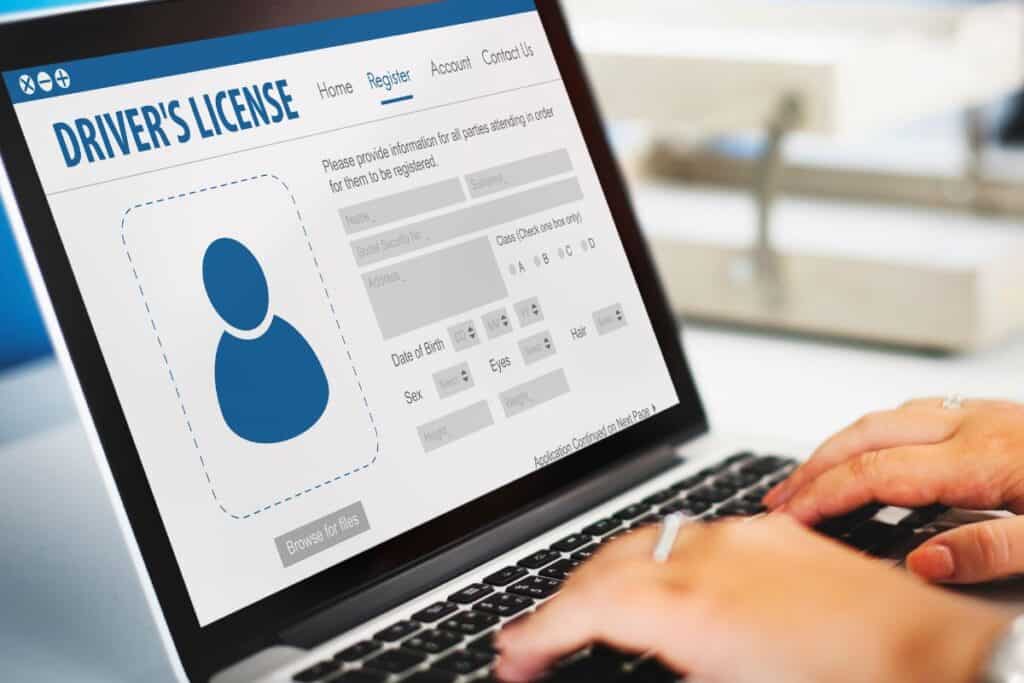
Here are some examples that use licence or license spelling based on the context the word is used in, both American and British English.
Let’s look at the American use of the word first:
- She finally got her driver’s license after three attempts.
- The city refused to renew the restaurant’s liquor license because of repeated health violations found during the annual inspection.
- Is our software license transferable?
- The state licenses all practicing physicians before they can see patients.
- The company licenses its technology to manufacturers in six countries under a royalty-based agreement that is reviewed every two years.
Now, here are the same sentences, but they follow British spelling conventions:
- She finally got her driving licence after three attempts.
- The council refused to renew the restaurant’s alcohol licence because of repeated health violations found during the annual inspection.
- Is our software licence transferable?
- The state licenses all practising physicians before they can see patients.
- The company licenses its technology to manufacturers in six countries under a royalty-based agreement that is reviewed every two years.
Notice that the sentences 4 and 5 have the same forms in both dialects because the word is used as a verb, where British and American English both have the -s spelling.
Common Mistakes Writers Make
It is very common, especially among those learning English as a Foreign Language, to confuse the usage of license or licence in the British context, since it is inherently confusing.
You need to be very good at determining the exact part of speech you want to use the word in to get it right.
Also, make sure the entirety of your text follows one spelling convention, either American or British. The difference of license vs licence is just one of the many, many differences in the spellings between the two dialects.
“Color” vs “colour,” “organize” vs “organise,” and “defense” vs “defence” are just a few of these examples. You can’t be using ‘licence’ and following it with other words spelled in the U.S. English.
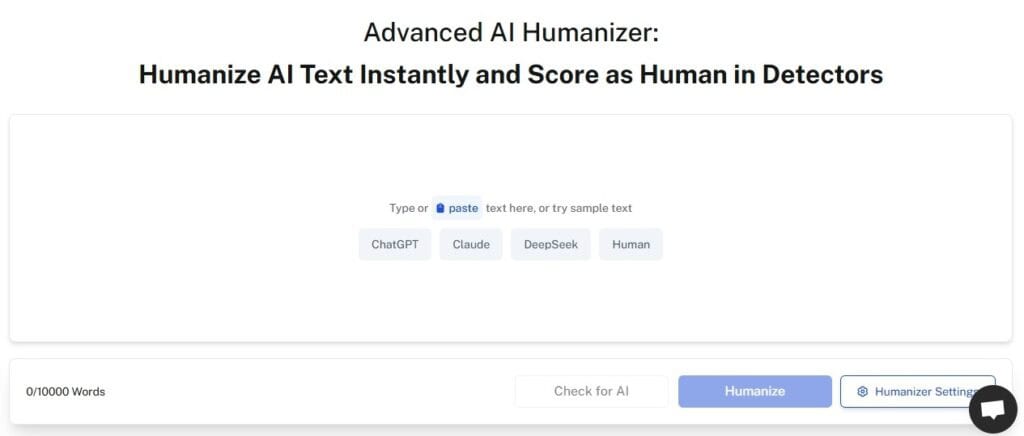
You can try running your text through the Undetectable AI’s AI Humanizer to ensure your text is consistent with one spelling convention.
And again, any time you are writing for a U.S.-based publication or academic institution, you should default to American spelling.
Tips for Choosing the Right Form
The rule of thumb is that any time you are writing for either a U.S.-based institution or an international readership, you should default to American spelling.
Academic style guides such as APA, MLA, and Chicago always follow American conventions unless otherwise specified.
The British spelling rules will apply in very specific circumstances when your readers are exclusively British. Or, if you study in institutes that adhere to British standards.
Also, if you use automated spell-check tools to verify your spelling, make sure you have set your desired form of English.
By default, most of these tools will be set to American English, and your use of the word “licence” in British English contexts will be flagged as incorrect if the language setting is not adjusted.
Explore our AI Detector and Humanizer in the widget below!
Final Thoughts
To sum it up, you are always going to spell the verb form of license with an -s.
And when using it as a noun, you’ll determine if you need to follow American rules or British rules. For American writers, the spelling remains the same, but in British English, you use licence (with a c) for the noun.
I hope that clears the license or licence confusion, once and for all.
Just practice it in sentences a few times and use Undetectable AI’s AI Chat to get feedback on whether or not your usage is accurate, and you will eventually get perfect at it.
Try out Undetectable AI today!