
Time heals all wounds.
Honesty is the best policy.
What goes around comes around.
All of these statements are true. But they’re also painfully obvious… and repeated so often that they rarely add anything new or useful.
This is what makes a truism a truism, and you probably come across them every day without even noticing.
So if truisms are so obvious (and overused), why do we still keep using them in conversation and literature?
Let’s break it down.
TL;DR – A truism is a statement that’s generally accepted as true across audiences. They can be useful for reinforcing shared ideas, but when overused, they can lose their impact and feel cliché.
Key Takeaways
- A truism is a statement so self-evident and widely accepted that it requires no proof, often serving to reinforce shared values rather than introduce new information.
- While they help create immediate common ground with an audience, overusing these “obvious truths” can make writing feel lazy, unoriginal, or even dismissive in sensitive situations.
- Unlike platitudes or clichés which are often viewed negatively, a well-placed truism can simplify complex arguments and make a message more memorable and relatable.
- To use them effectively, writers should treat truisms as a starting point for deeper insight or add a creative twist to prevent the phrasing from sounding tired.
- Since generic truisms can make a piece of writing feel robotic or predictable, running your work through Undetectable AI helps polish the tone so it sounds genuinely human and engaging.
What Is a Truism?
Truisms reflect a general truth about life that you already know.
Here’s a quick look at the textbook definition of truism and how it compares to other literary devices.
Truism Definition: The Self-Evident Truth
A truism is best defined as:


Never Worry About AI Detecting Your Texts Again. Undetectable AI Can Help You:
- Make your AI assisted writing appear human-like.
- Bypass all major AI detection tools with just one click.
- Use AI safely and confidently in school and work.
- A fact, idea, or memorable expression that is so self-evident and widely accepted that it requires no proof or further explanation.
For example, the old truism, “a journey of a thousand miles begins with a single step,” is impossible to argue with. It’s both true and obvious, which is why it’s considered a truism.
To really understand truisms, it can be helpful to see how they compare to similar literary devices.
Here are a few closely related terms worth mentioning.
| Truism vs. Similar Literary Devices | ||
| Literary Device | What It Means | How It’s Different From a Truism |
| Platitude | A statement that sounds meaningful but feels dull because it’s been said too many times and lacks depth. | Usually has a negative tone, suggesting lazy or shallow thinking. |
| Cliché | Any phrase or expression that’s been overused to the point of becoming meaningless or boring. | Can apply to anything overused (not just statements that are technically true), such as “When life hands you lemons, make lemonade.” |
| Aphorism / Adage | A short, catchy saying that expresses a general truth or life principle. | Often feels more polished and insightful, even if it’s still familiar or widely known. |
| Axiom | A statement accepted as true without proof, especially in logic or math. | Much more formal and used as a foundation for reasoning, not everyday speech. |
Truism: Meaning and Purpose
If truisms are so obvious, why are they used so often? The answer is that truisms are not meant to introduce new ideas; they’re meant to reinforce shared ones.
Truisms are effective because they:
- Create common ground by tapping into ideas audiences already agree with, helping to build instant trust and connection.
- Simplify complex ideas by anchoring arguments to familiar, easy-to-understand truths.
- Create humor when used playfully, especially when exaggerated, flipped, or applied in an unexpected way.
- Stick in the mind, thanks to their simple phrasing that’s easy to remember and repeat.
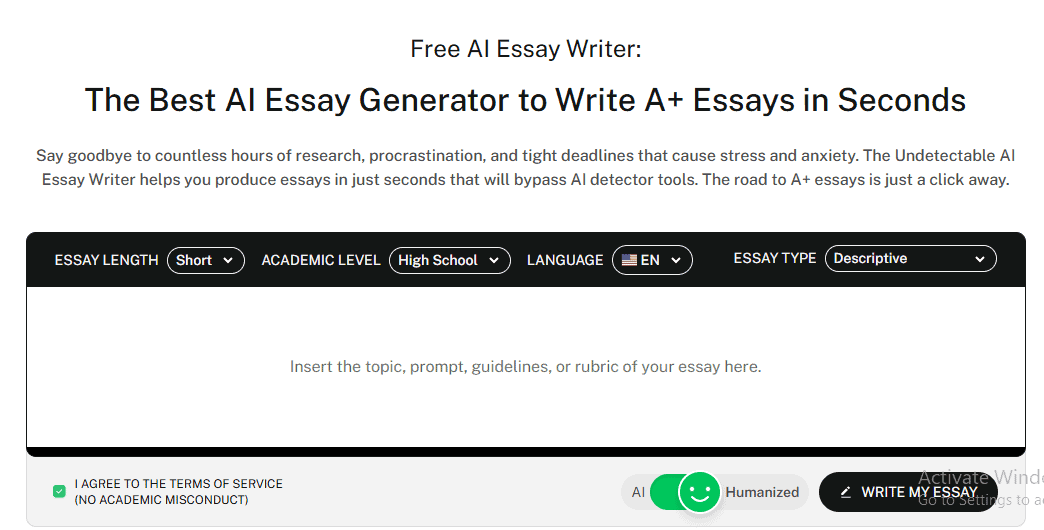
Pro Tip: If you’re analyzing a piece of literature (or crafting your own arguments for an essay), Undetectable’s AI Essay Writer can help break down the rhetorical impact of truisms, showing how they convey widely accepted truths and when they strengthen a piece of writing.
How Truisms Work in Communication
Truisms work because they appeal to shared common sense. Instead of challenging audiences, they invite agreement, making people more likely to listen to what comes next.
In casual conversation, truisms can also be helpful for expressing a truthful, complex idea that’s difficult to put into words.
For example, phrases like “it is what it is” don’t necessarily move the conversation forward, but they do communicate acceptance and shared understanding. Everyone knows exactly what you mean, and there’s no need for further explanation.
Of course, context does matter, and truisms can have different connotations depending on the situation.
A truism that feels reassuring to one group can feel lazy or even patronizing to another, so it’s important to consider your audience and the situation before relying on one to make your point.
Common Pitfalls of Using Truisms
Truisms can definitely be useful, but they’re also easy to misuse.
The biggest risk is sounding unoriginal. When you lean too heavily on obvious statements, your writing or speech can start to feel lazy, as if you’re repeating familiar ideas instead of offering anything new.
Over time, this can make your message feel shallow or forgettable.
Another issue is that truisms often slide into cliché territory. A phrase that once felt thoughtful can lose its impact simply because it’s been repeated too many times.
“Think outside the box” is a good example here; it was once a clever push for creativity, but now it’s so overused that many writers and professionals avoid it altogether.
Finally, truisms can oversimplify complex or emotional situations. Saying “time heals all wounds” may be true in a broad sense, but it can come across as dismissive to someone dealing with real pain or loss.
In moments like that, it’s better to acknowledge the complexity of the situation and respond with genuine empathy rather than a generic phrase.
How to Use Truisms Effectively
Despite their many pitfalls, truisms can still be a powerful language tool. The key is to use them intentionally and inject a bit of your own creativity.
Here are a few do’s and don’ts for using truisms in your own writing:
| The Do’s and Don’ts of Using Truisms | |
| Do | Don’t |
| Use a truism as a starting point, then add a fresh insight or a more detailed explanation. Think about who you’re talking to and whether it fits the situation. Put your own twist on familiar phrasing to keep it fresh. Use truisms sparingly so they can make an impact. Be mindful of how truisms may come across in emotional situations. | Rely on a truism to carry your entire point. Assume a truism will resonate with everyone. Repeat tired sayings and phrases without adding anything new. Overuse them as filler when you’re out of ideas. Default to truisms when the audience would appreciate more nuance. |
Classic Examples of Truisms
Truisms show up everywhere in history and literature. They’re repeated across generations, and they stand the test of time because they capture a fundamental aspect of the human experience.
Here are a few classic truism examples you’ve probably heard before:
- “The unexamined life is not worth living.”
- “Honesty is the best policy.”
- “A journey of a thousand miles begins with a single step.”
- “Money can’t buy happiness.”
- “Actions speak louder than words.”
- “What goes around comes around.”
- “Practice makes perfect.”
- “Nothing worth having comes easy.”
- “You can’t please everyone.”
- “Knowledge is power.”
- “Nature finds a way.”
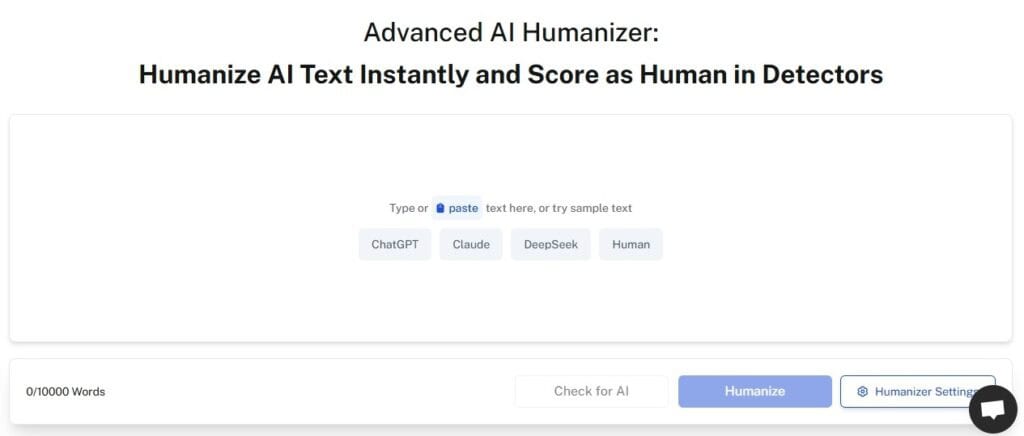
Pro Tip: If you want to use truisms as a rhetorical device in your own writing, tools like Undetectable’s AI AI Humanizer can help you work them into your writing so they feel natural, not awkward or overly simplistic.
See how our AI Detector and Humanizer works in the widget below!
Frequently Asked Questions About Truism and Obvious Truths
What is the easiest way to define the word “truism”?
The simplest way to define a truism is: A statement that is obviously true and widely accepted, but doesn’t offer much new information.
How is “truism” used in British English?
In British English, truism is often used with a bit of criticism, implying that a statement is not only obvious but also uninteresting or trite.
What are some synonyms for truism?
Depending on how it’s used, a truism might also be called a platitude, bromide, or cliché. Each of these synonyms has a slightly different tone, but they all refer to widely accepted truths.
Are truisms the same as obvious truths?
Truisms are a type of obvious truth, but not every obvious truth is a truism. A truism is usually a well-known, repeated expression of an obvious idea, while an obvious truth can be any fact or statement that’s self-evident, even if it isn’t commonly phrased or repeated.
Final Thoughts on Truism
Truisms may seem simple, even obvious… but that’s exactly why they’ve stuck around for so long. They reflect universal ideas that people continue to recognize as true across time and cultures.
In literature and communications, truisms can help establish common ground and make complex ideas easier to grasp.
However, like any language tool, truisms work best when used thoughtfully. Rely on them too much, and they start to feel tired. But if you use them intentionally, they have the power to bring clarity, warmth, and even humor to a message.
Refine your message and keep it natural, clear, and human with Undetectable AI.