Imagine you’re standing in front of your strict professor. You are late, sweating, and the whole class is watching.
You open your mouth to say, ‘Sorry I missed my history lecture.’
But your brain short-circuits, and you shout: ‘Sorry I hissed my mystery lecture!’
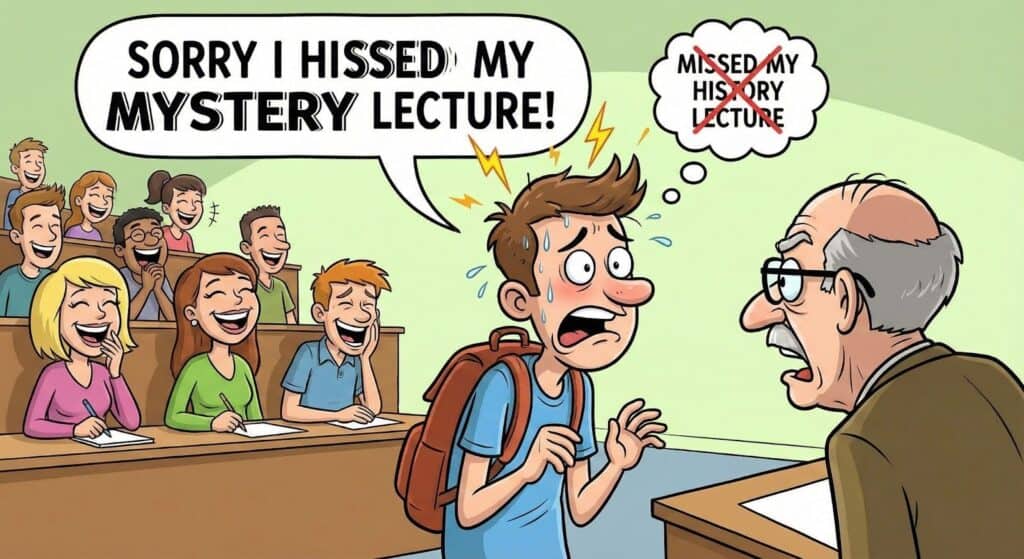
The class erupts in laughter, and meanwhile, you want the ground to swallow you whole.
So, what exactly was that? You just performed a Spoonerism (and don’t worry, it’s not some weird ritual).
What is a spoonerism? It’s simply when the initial sounds of words swap places.
You didn’t do it on purpose, but writers often use spoonerism deliberately because it adds a spark to the story.
And that is exactly what we are covering in this blog.
We will explore what is a spoonerism, break down the spoonerism meaning, and look at hilarious spoonerism examples.
We will also cover common pitfalls and teach you exactly how to use these verbal slips effectively.
Let’s dive in.
Key Takeaways
- A spoonerism is a brain glitch where the initial sounds of two words swap places (e.g., saying fighting a liar instead of lighting a fire).
- The term comes from Reverend William Spooner, an Oxford scholar famous for accidentally mixing up his words during public speeches.
- Writers use spoonerism meaning intentionally to create comedy, make dialogue memorable, or show that a character is anxious.
- Beware of the vulgarity trap. Phonetics don’t care about manners, so always check that your swap doesn’t accidentally create an offensive word.
- To make them funnier, swap words with strong consonants (P, B, K, T) because hard sounds create a punchier, clumsier effect than soft sounds.
What Is Spoonerism?
So, what is a spoonerism exactly?
At its core, the spoonerism definition is simple: It happens when the initial sounds (consonants or vowels) of two words swap places, and create a new, and often hilarious phrase.
For Example:


Never Worry About AI Detecting Your Texts Again. Undetectable AI Can Help You:
- Make your AI assisted writing appear human-like.
- Bypass all major AI detection tools with just one click.
- Use AI safely and confidently in school and work.
- Instead of saying “Ease my tears,” you say “Tease my ears.”
To understand this fully, think of speech as a fabric. Sometimes, the brain pulls on the wrong spoonerism strands of sound, weaving the start of one word onto the end of another.
Spoonerisms generally fall into two categories, depending on who is speaking:
| The Accidental (Slip of the Tongue) | The Deliberate(The Wordplay) |
| This is the oops moment. It happens when you are nervous, speaking too fast, or tired. It is a genuine verbal stumble. | Authors, comedians, and lyricists use these on purpose. It is a form of code or humor used to create a double meaning or a witty punchline. |
Now let’s get into the historical details a bit:
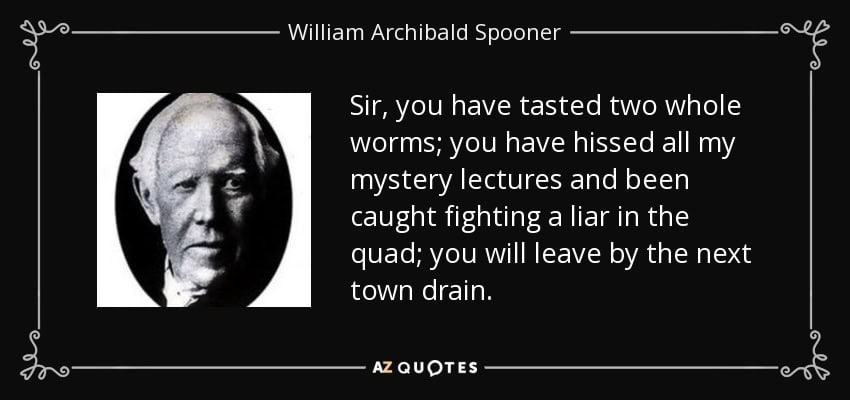
We owe this term to Reverend William Archibald Spooner, a long-serving don at Oxford University in the late 19th century.
Reverend Spooner was a brilliant scholar, but he was notorious for being a nervous speaker.
Legends say his brain moved faster than his tongue, leading to legendary mix-ups during lectures and church services.
While he didn’t say all the famous quotes attributed to him, his reputation for tangling his syllables was so strong that his name became the official label for the error.
Why Writers and Speakers Use Spoonerisms
Now, you might ask: “Why would a writer intentionally mess up a perfectly good sentence?”
Because perfection is boring. Writers use Spoonerisms to wake the reader up. Let’s break down the difference.
- To Create Instant Comedy
The most common reason is humor. A normal sentence goes unnoticed, but Spoonerism is like a verbal banana peel. It makes the character slip, and the audience laughs.
| Version | The Sentence | The Vibe |
| Without Spoonerism | He delivered a crushing blow. | Serious, violent, and intense. |
| With Spoonerism | He delivered a blushing crow. | Absurd, confusing, and hilarious. |
The reader expects a fight scene, but suddenly gets a mental image of a bird turning red with embarrassment. This surprise creates laughter.
- To Make Dialogue Memorable
Writers use the spoonerism meaning to their advantage to make dialogue stick in the reader’s brain. The reader has to pause to decode it.
| Version | The Sentence | The Vibe |
| Without Spoonerism | You have missed all my history lectures. | A boring teacher scolding a student. |
| With Spoonerism | You have hissed all my mystery lectures. | A weird, eccentric professor. |
The without version sounds like a generic scolding. The with version gives the character personality (like the famous Dr. Spooner himself).
- To Soften a Harsh Truth
Sometimes, saying exactly what you mean is too aggressive. A Spoonerism can take the sting out of an insult or a command.
| Version | The Sentence | The Vibe |
| Without Spoonerism | Go and take a shower. | Rude. You are telling someone they smell bad. |
| With Spoonerism | Go and shake a tower. | Playful. It’s a joke, not an attack. |
Here is the catch… You can’t just swap random letters.
If you change “I like cats” to “I kike lats,” that’s not funny. A good Spoonerism needs to use real words to create a new meaning.
This requires a lot of mental gymnastics. You have to check phonetics, rhyme, and rhythm.
This is where the Undetectable AI’s AI Essay Writer can help you save your mental energy. It helps you figure out which words swap perfectly.
- Input: Lighting a fire.
- AI Suggestion: Fighting a liar.
Now you have a clever, dramatic twist for your story without the headache.
Generate Clever Wordplay with AI Essay Writer
Spoonerisms in Action
Let’s see how spoonerism meaning work in practice:
- In Literature
In creative writing, you never just want to say a character is nervous. You want to show it. Authors use spoonerism strands of dialogue to reveal the emotions of their character.
- The Scenario: A young man is trying to ask his crush out on a date.
- The Dialogue:“I would love to invite you to a meal and a prom.”
- Instead of peal and a mom… wait, no… Prom and a Meal? No, Meal and a Prom is the mistake for Palm and a Real? No, that’s complex. Let’s go simpler.
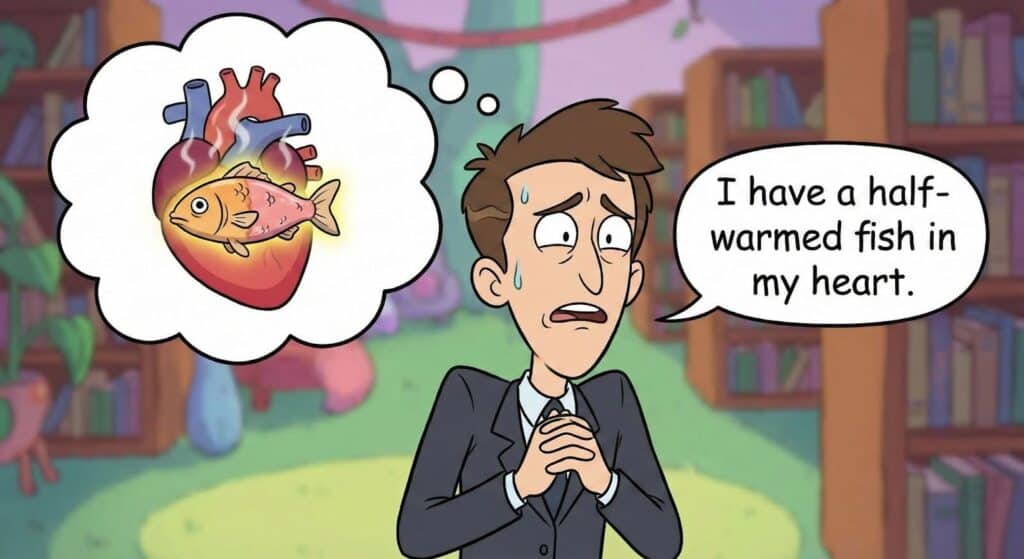
- The Classic Nervous Line: “I have a half-warmed fish in my heart.”
- Instead of half-formed wish.
2. In Kids’ Books
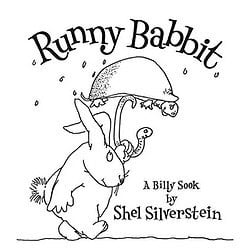
Children love Spoonerisms. The best example of this is the famous book “Runny Babbit” by Shel Silverstein.
Silverstein wrote a whole world where the initial sounds are swapped.
The Character: Toe Jurtle = Joe Turtle.
The Title: Runny Babbit = Bunny Rabbit.
3. Codes and Slang
If you can speak fast enough, swapping the first letters of words makes your sentence sound like complete gibberish to anyone listening casually.
- The Code: Pass the bog discuit.
- The Meaning: Pass the dog biscuit.
It’s like a verbal handshake. If you can decode Spoonerism instantly, you are part of the group. If you stare in confusion, you are an outsider.
Common Pitfalls with Spoonerisms
Spoonerism is like juggling sharp knives. It looks cool when you do it right, but if you slip, you are going to get hurt.
Here are the 3 biggest traps with Spoonerism:
- The Vulgarity Trap
This is the most critical warning.
You have to be extremely careful about what new words you are creating. Phonetics don’t care about politeness.
Sometimes, an innocent phrase can turn into something offensive or R-rated by accident.
- The Innocent Phrase: Pop Corn.
- The Spoonerism: Cop Porn.
Oops. You meant to talk about a movie snack, and you are saying something very inappropriate. Always “audit” your swap.
- Loss of Meaning
A Spoonerism only works if the reader can figure out what the original phrase was. If the swap is too obscure, it just looks like a typo or gibberish.
- The Mistake: He rode a par kensor. (Car Sensor? Par Censor? Park Censer?)
- The Fix: Stick to famous phrases. Everyone knows “Belly Jeans” means “Jelly Beans” because “Jelly Beans” is a common term.
- Overkilling
If a character in your story uses a Spoonerism in every single sentence, the reader will stop laughing and start getting annoyed.
- The Rule: Use them as a spice, not the main course. Save them for the punchline, not the entire conversation.
How to Use Spoonerisms Effectively
Knowing what is a spoonerism is easy. Knowing when to use one? That is an art form.
Follow these rules:
- Let Context Be is King
A Spoonerism is only funny if the audience knows what you meant to say. If the context is missing, it’s just nonsense.
The Formula: Set Context → Imply Normal Phrase → Deliver the Twist
- Step 1 (Context): A man is proposing a toast at a royal dinner.
- Step 2 (Expectation): The audience expects him to say, “The dear old Queen.”
- Step 3 (The Twist): He raises his glass and says, “The queer old Dean.”
Because the context (a royal toast) was set, the mistake lands perfectly.
- Focus on Strong Consonants
In comedy, hard sounds are funnier than soft sounds.
Soft Sounds (L, M, N, S): These are smooth and sleepy.
Hard Sounds (B, P, K, T, D): These pop off the lips and sound clumsy when mixed up.

The Rule: If you want a laugh, swap words that start with P, B, K, or T. The sharp sound creates a stronger stumble effect.
- Take Care Of The Timing
In real life, a comedian pauses before the punchline. In writing, you don’t have the benefit of silence, so you have to create it using punctuation.
Don’t bury Spoonerism in the middle of a long sentence. Use a comma, a dash, or an ellipsis (…) to create a visual pause right before the mistake.
- Bad Timing: He went to the store and bought a bat and a call.
- Good Timing: He went to the store, looked the clerk in the eye, and asked for a bat and a call.
That pause tells the reader, “Pay attention, something important is coming.”
Famous Examples of Spoonerisms
Here are 10 of the most famous examples to help you understand the spoonerism meaning in action:
- A well-boiled icicle
- Original: A well-oiled bicycle
- Three cheers for our queer old Dean
- Original: Three cheers for our dear old Queen
- It is kisstomary to cuss the bride
- Original: It is customary to kiss the bride
- You have hissed all my mystery lectures
- Original: You have missed all my history lectures
- Please, tease my ears
- Original: Please, ease my tears
- Go and shake a tower
- Original: Go and take a shower
- It was a total lack of pies
- Original: It was a total pack of lies
- We are fighting a liar
- Original: We are lighting a fire
- Listen to the bedding wells ring
- Original: Listen to the wedding bells ring
- Runny Babbit
- Original: Bunny Rabbit
So, do you feel like you came up with a clever Spoonerism, but when you put it in a sentence, it feels stiff?
Or maybe you used an AI generator, and the output sounds mathematically correct but lacks that natural, conversational flow?
If so, we have an AI tool that will help you overcome this. This Undetectable AI’s AI Humanizer will adjust the tone so the Spoonerism feels like a spontaneous slip of the tongue rather than a calculated math equation.
- Robotic Flow: The man said a crushing blow which was a blushing crow.
- Humanized Flow: He tried to sound tough, threatening a blushing crow instead of a crushing blow.
Use the Humanizer to ensure your humor lands softly and is understood by your readers.
Make Your Wordplay Flow Naturally
Try out our AI Detector and Humanizer right below!
Final Thoughts
So, have you understood the art of the “tips of the slung”?
We peeled back the layers of the spoonerism definition, explored the history, and laughed at the mistakes.
Spoonerisms are more than just a slip of the tongue, they are a tool for connection.
Whether you are a writer trying to add personality to a character, or just someone trying to make a friend laugh, these little mix-ups pack a punch.
Just remember the golden rules of using spoonerism strands: watch your consonants, mind the vulgarity trap, and don’t overdo it.
Language is meant to be played with, not just spoken. So go ahead, shake a tower, fight a liar, and let your words dance.
Keep your wordplay natural and human-sounding with Undetectable AI.