
Why does the pain of losing $100 feel twice as bad as the happiness of finding $100?
Why do we doom-scroll bad news but ignore the good?
Why do we stick to bad investments just because we’ve already spent money on them?
It’s not because you are pessimistic or bad with money. It’s because your brain is programmed to be paranoid.
We are running on ‘survival mode’ in a comfortable world, and this mismatch creates systematic errors in our thinking known as Cognitive Biases.
So what is a cognitive bias exactly?
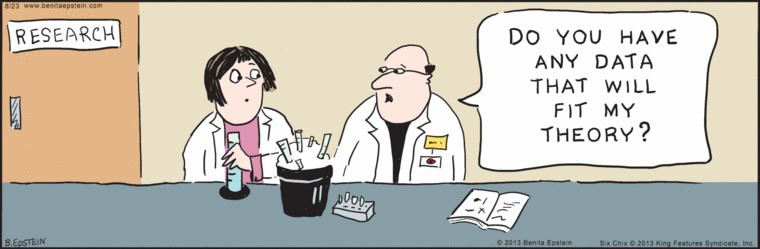
That’s what we’re covering today. We’ll see cognitive bias definition, with cognitive bias examples.
We’ll also learn about the causes, different types, and how to reduce cognitive bias in the real world.
Let’s dive in.
Key Takeaways
- A cognitive bias is a systematic error in thinking which is caused by your brain’s attempt to simplify processing.
- Our brains are outdated software. We prioritize speed (surviving the savanna) over accuracy (modern logic), leading to “Type 1” errors.
- Biases are shortcuts (heuristics) the brain uses to save energy, often trading factual accuracy for a good enough feeling.
- The cognitive bias codex breaks down 180+ biases into 4 categories: Information overload, lack of meaning, need for speed, and memory edits.
- You cannot delete bias, but you can manage it. AI also assists in reducing cognitive load.
What Is Cognitive Bias?
Imagine your brain to be a bowling ball that’s slightly weighted on one side.
No matter how straight you try to throw it, that internal weight causes it to curve in a specific direction every single time.
That’s exactly what is a cognitive bias — a built-in slant in your judgment.


Never Worry About AI Detecting Your Texts Again. Undetectable AI Can Help You:
- Make your AI assisted writing appear human-like.
- Bypass all major AI detection tools with just one click.
- Use AI safely and confidently in school and work.
- Clear definition of cognitive bias
Cognitive bias is made up of two words:
- Cognitive comes from the Latin cognoscere, which means “to know” or to recognize.
- Bias comes from the French word biais, which means a “slant” or a “slope.”
So, the literal cognitive bias definition is a “slant in your thinking.”
It means your brain has a built-in trajectory that favors certain conclusions over
others, regardless of the facts.
Here’s how it works…
The brain blocks 99% of data, keeping only emotional or confirming info.
↓
It fills gaps with assumptions to force a narrative.
↓
It saves only the intense peak and the ending.
↓
Your final decision is based on this distorted reality.
What Causes Cognitive Bias?
You might be wondering: “If humans are so smart, why is our code so buggy?”
The answer is simple: We are running outdated software.
Our brains weren’t designed for the stock market, social media, or Excel spreadsheets. They were designed to survive on the African savanna.
Here are the 3 main reasons why our brain is default to cognitive bias.
- Evolutionary Mismatch
Our brain is essentially a 2-million-year-old survival machine living in a modern digital world.
Back in the caveman days, speed was more important than accuracy.
- You hear a rustle in the grass.
- You assume it’s a lion and run away. If you are wrong, you just look silly.
- You stop to analyze the wind speed and sound frequency. If you are wrong, you get eaten.
Nature selected the humans who were paranoid. We survived because we jumped to conclusions (Type 1 Errors).
Today, that same survival instinct creates common cognitive bias examples, causing us to see patterns that aren’t there (conspiracy theories) or stick to our tribes (politics) because being alone used to mean death.
2. System 1 vs. System 2
Nobel Prize winner Daniel Kahneman provided the clearest cognitive bias definition by discovering that our brains have two modes:
- System 1 (The Autopilot): Fast, automatic, and emotional. It requires zero effort. (e.g., jumping when you hear a loud noise).
- System 2 (The Pilot): Slow, logical, and calculating. It burns a lot of energy. (e.g., solving 17 x 24).
System 2 is incredibly lazy. Thinking hard burns calories, so your brain tries to avoid it.
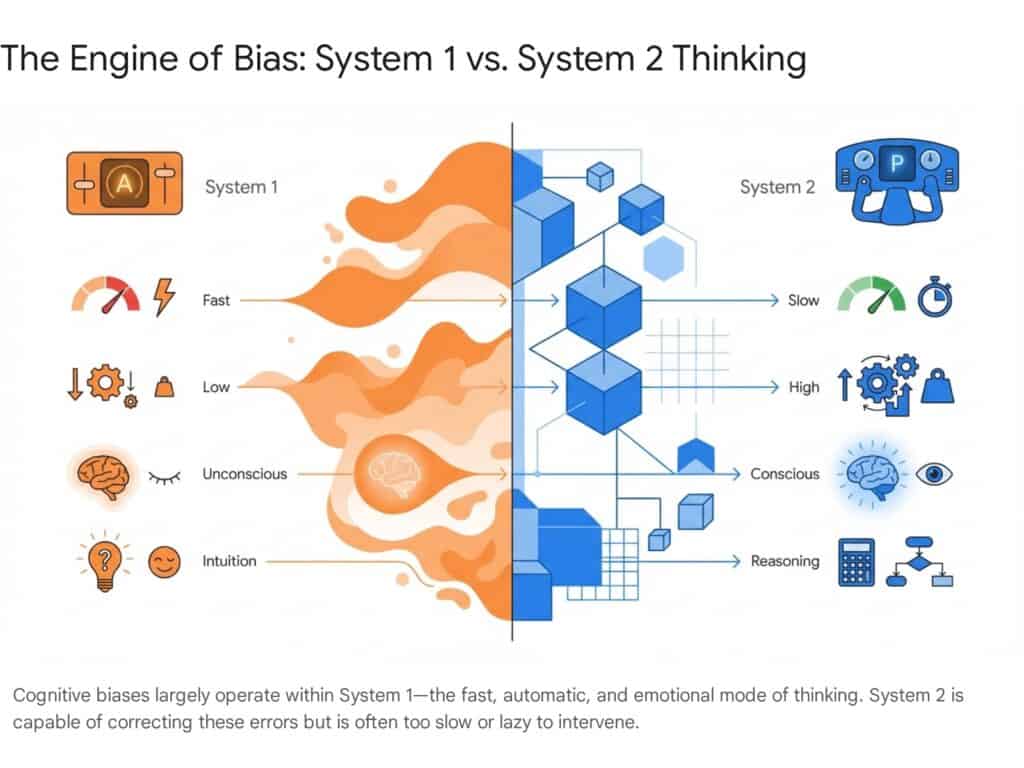
When you face a hard question like, “Is this stock a sound financial investment?” (System 2), your brain secretly swaps it for an easier question: “Do I like this company’s logo?” (System 1).
Bias happens when the Autopilot tries to fly the plane through a storm.
- The Energy Saver Mode
Even though our brain only weighs about 3 pounds, it consumes 20% of your body’s energy.
To stop us from starving to death, our brain tries to save battery. It doesn’t want the perfect answer, it wants an answer that is satisfying, so it can move on.
Biases are simply the shortcuts your brain takes to save energy.
Why Cognitive Bias Matters
Cognitive bias shapes every single call you make, usually without you even realizing it is happening.
We live in a world that is constantly screaming for our attention.
If you look at the cognitive bias codex, you will see that the brain skips over the hard, messy facts and zooms in on whatever feels familiar or emotional.
That’s why misinformation spreads like wildfire because our brain doesn’t necessarily want the truth, it just wants the story that is easiest to swallow.
But these mental shortcuts can be dangerous, though.
Instead of digging into the hard data, people often fall back on their gut feeling or old habits just to get it over with. The mistake might cost money or ruin a reputation.
But perhaps the most surprising place bias shows up is in your writing.
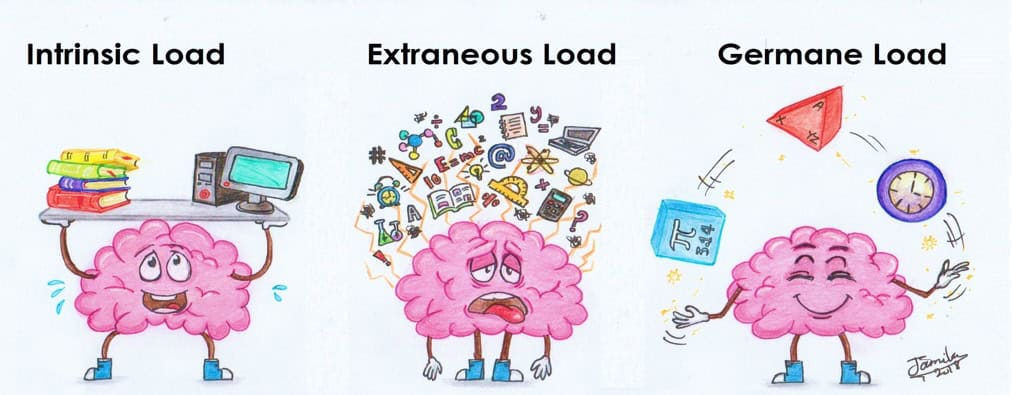
Every time you write a sentence with bad grammar or messy structure, you force the reader to burn precious battery life to figure out what you are saying.
Psychologists call this “extraneous load.” If you drain their battery, they tune you out.
To fight this, you can use Undetectable AI’s Grammar Checker.
It fixes your grammar and simplifies the writing structure. And that’s how, it stops the reader from burning mental energy on errors, allowing them to focus entirely on your ideas.
[Check If Your Writing Is Grammatically Correct Or Not]
The Impact of Cognitive Bias
Have a look at the cognitive bias examples to see how it plays out in the real world:
- Healthcare
Research suggests that diagnostic errors happen in about 10% to 15% of cases. Doctors are just human, and their brains are prone to taking shortcuts under pressure.
- The doctor “locks on” to the first symptom you mention. Even if lab results later prove them wrong, they are stuck on that first impression.
- The doctor stops looking for answers the moment they find an easy one. They mistake a plausible answer for the correct one.
- Once a patient is labeled (e.g., drug seeker), that label sticks. New doctors simply repeat the old doctor’s opinion instead of checking the facts.
- Finance and Business
In business, we think we are logical, but we are driven by fear and ego.
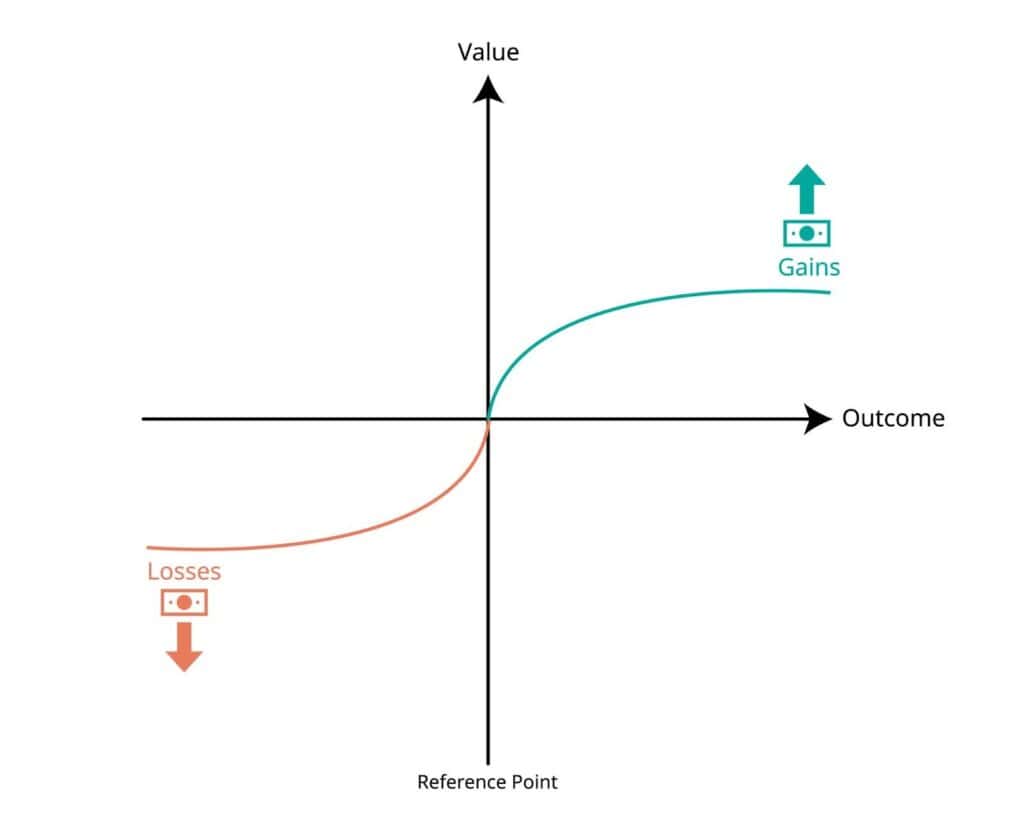
- Loss aversion is the pain of losing $100 hurts twice as much as the joy of finding $100. This makes investors hold onto failing stocks hoping they bounce back, while selling winning stocks too early just to feel safe.
- Sunk cost fallacy is “throwing good money after bad.” You refuse to quit a failing project just because you have already spent time and money on it.
- Most people think they are smarter than the market. This leads to risky bets and gambling instead of investing.
3. Recruitment
Hiring managers unintentionally block diversity because their brains prefer the familiar.
- We hire people who remind us of ourselves. If a candidate went to your school or likes your sports team, you rate them higher. This creates a team of clones who all think exactly the same way.
- Recruiters often reject resumes in split seconds simply because a name doesn’t sound familiar. It is a knee-jerk reaction that ignores actual talent.
As AI takes over customer service and writing, we have developed a brand new bias.
We have a gut-level distrust of things that sound almost human but not quite.
This is called the Uncanny Valley effect. When something comes close to human expression without fully reaching it, discomfort sets in.
This is where Undetectable AI’s AI Humanizers help. They soften rigid phrasing, introduce emotional nuance, and restore a natural rhythm to the text, so it reads like it was written by a person, not an AI.
[Humanize Your Text If It Feels Too Polished]
Different Types of Cognitive Bias
The sheer number of biases can be overwhelming. To make it easier, the cognitive bias codex organizes them based on the specific problem the brain is trying to solve.
Here is a simple breakdown of the four quadrants:
| The Problem | The Bias | Example |
| 1. Too Much Information (We filter data aggressively) | Availability Heuristic | We judge safety based on what we remember easily. e.g., Driving instead of flying after 9/11 because the crash images were scary, even though flying is safer. |
| Confirmation Bias | We only see what we want to see. e.g., Ignoring facts that prove you wrong while obsessing over facts that prove you right. | |
| 2. Not Enough Meaning (We connect dots that aren’t there) | Halo Effect | One good trait makes us assume everything is good. e.g., Thinking a handsome person is automatically smart and kind. |
| Gambler’s Fallacy | Thinking past luck controls future luck. e.g., “The wheel hit red 10 times, so black must be next!” (The odds are still 50/50). | |
| 3. Need to Act Fast (We decide before having all facts) | Anchoring Bias | The first number we hear sticks. e.g., In salary talks, the first number mentioned sets the bar for the whole negotiation. |
| Sunk Cost Fallacy | Refusing to quit because you already paid. e.g., Finishing a terrible movie just because you bought the ticket. | |
| 4. What Should We Remember? (We edit memories to save space) | Peak-End Rule | We ignore the middle and remember the climax. e.g., Judging a vacation only by the best moment and the final day, ignoring the boring parts. |
| Hindsight Bias | The “I knew it all along” effect. e.g., Convinced you predicted the winner of the game after it ended, even though you were unsure before. |

Using AI in decision-making is a double-edged sword.
Inherited Bias AI models learn from the internet. Since the internet is full of human stereotypes, AI often inherits them. This is called Algorithmic Bias.
If you aren’t careful, the bot will just mirror your prejudices back to you.
However, AI has one huge advantage over humans: It has no ego. It doesn’t get defensive when you question it.
You can force the AI Chatbot to challenge you. Try this prompt.
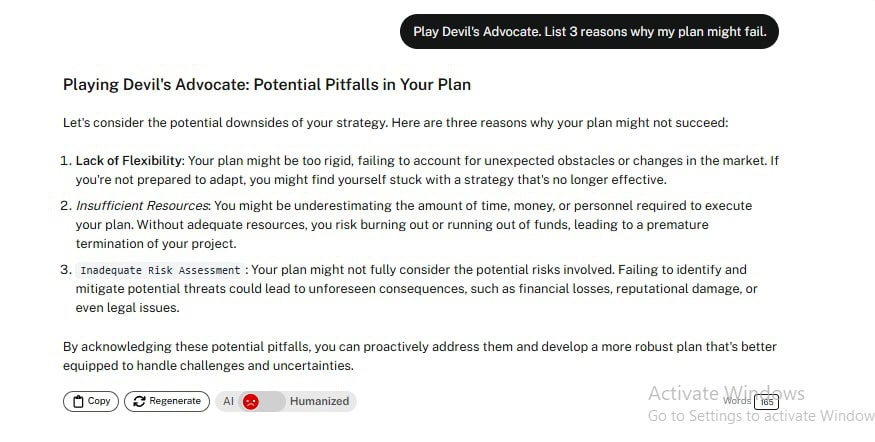
The AI acts reflects the flaws in your logic that your brain is biologically blind to. Ready to fact-check your own brain?
[Chat with Undetectable AI Now →]
Cognitive Bias Examples in Real Life
Here are three famous real-life stories that show exactly what is a cognitive bias in action.
- Moneyball
The movie Moneyball is the perfect cognitive bias example of how The Halo Effect can ruin a business.
For years, baseball scouts picked players based on gut instinct. They looked for guys with a confident jawline or a good face. They assumed that if a player looked like a star, he must play like a star.
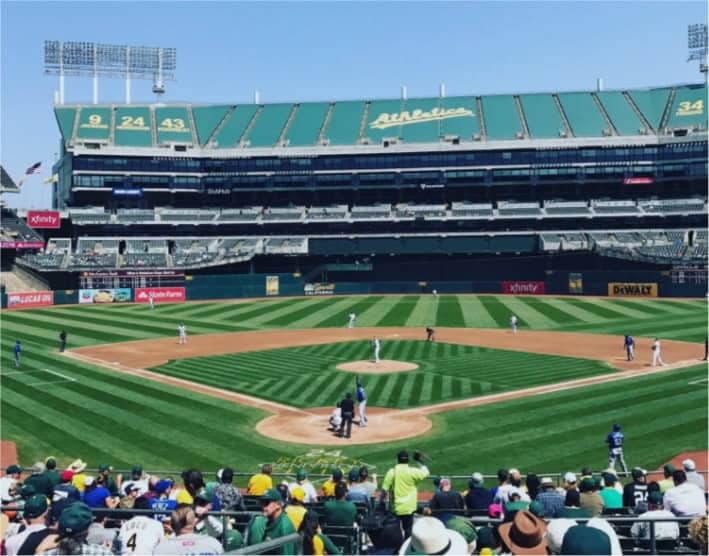
General Manager Billy Beane realized this was stupid. He ignored how players looked and focused entirely on the numbers.
2. 12 Angry Men
This classic movie teaches us about The Bandwagon Effect (doing what everyone else is doing).
At the start, 11 out of 12 jurors vote guilty. They do it because they just want to fit in. They look around, see everyone else raising their hands, and go with the flow to avoid an argument.
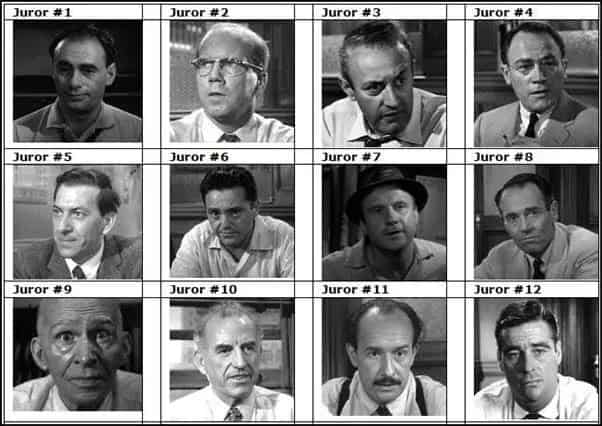
One juror refuses to follow the herd. He forces the group to slow down and look at the facts. He proves that just because everyone agrees on something, doesn’t mean it’s true.
3. The Bay of Pigs
In 1961, the US government launched a disastrous invasion of Cuba. How did so many smart advisors sign off on such a terrible plan? The answer is Groupthink.
President Kennedy’s team was full of geniuses, but they were too afraid to disagree with each other. No one wanted to be the negative person in the room.

Because everyone stayed silent, they all assumed everyone else agreed with the plan.
After the disaster, Kennedy stopped hiring “yes-men.” Instead, he encouraged his team to argue, debate, and challenge his ideas. He realized that silence is dangerous.
How to Reduce Cognitive Bias
Since we cannot perform surgery to remove bias from the brain, we have to change the environment instead.
Here’s the blueprint on how to reduce cognitive bias:
Way # 1: Start by imagining the project has already failed a year from now, which tricks the brain into spotting hidden disasters today.
Way # 2: Next, assign a specific hater group to ruthlessly attack the plan, ensuring you expose the weak spots before reality does.
Way # 3: When hiring, strip names and photos from resumes (like a blind audition) so you judge the pure skill, not the person.
Way # 4: Finally, use brain-training exercises to rewire your automatic habits, acting like physical therapy for your mind.
Test our AI Detector and Humanizer with the widget below!
Final Thoughts
So, what is a cognitive bias really?
It is the invisible operating system running your life.
You cannot delete them from your brain. You are human, which means you are beautifully, maddeningly irrational.
You will still judge people by their shoes, panic when the stock market dips, and probably assume the song you heard three times today is a masterpiece.
But now, you know the glitch exists.
And knowing that your brain is trying to trick you? Well, that is the first step to making sure it doesn’t succeed.
Keep your eyes open, question your gut, and when in doubt… let the data drive.
Keep your thinking—and your writing—clear, credible, and human with Undetectable AI.