
Humans constantly choose gentler words to avoid uncomfortable truths.
As a classic example, let’s say your aunt noses in about your cousin’s job search.
He’s unemployed and living off instant ramen, but instead of saying that, he said he’s “between opportunities” with a strangely optimistic smile.
We do this constantly. Someone “passed away” instead of died. We tell our boss we need a “mental health day” instead of admitting we just can’t deal with Karen from accounting today.
These linguistic gymnastics have a name: euphemisms. And they’re everywhere.
Think about it. When’s the last time a company said they were firing people?
They’re “rightsizing” or “letting people go,” or our personal favorite, “pursuing other strategic directions.” Translation: you’re getting canned, but we’re going to make it sound like a mutual breakup.
Euphemisms are the verbal duct tape we use to cover up the uncomfortable, the unpleasant, and the downright awkward parts of life.
Sometimes they’re helpful. Sometimes they’re manipulative. And sometimes they’re just plain ridiculous.
Key Takeaways
- Euphemisms are indirect expressions used to replace direct, harsh, or uncomfortable words.
- They serve social functions like politeness, tact, and sometimes manipulation.
- Common types include abstractions, understatements, and figurative language.
- Effective euphemism use requires balancing clarity with sensitivity.
- Overusing or misusing euphemisms can make writing feel dishonest or unclear.
What Is a Euphemism?
A euphemism is a mild or indirect word or phrase that replaces something blunt, offensive, or uncomfortable.
It’s linguistic bubble wrap. We use euphemisms to discuss sensitive topics without making people uncomfortable.
The word itself comes from Greek. “Eu” means good, and “pheme” means speech. Good speech. Pleasant words instead of harsh ones.


Never Worry About AI Detecting Your Texts Again. Undetectable AI Can Help You:
- Make your AI assisted writing appear human-like.
- Bypass all major AI detection tools with just one click.
- Use AI safely and confidently in school and work.
But euphemisms aren’t just about being nice. They’re also about power, social norms, and sometimes straight-up deception.
Euphemism Definition
A euphemism is a substitution of an agreeable or less offensive expression in place of one that may offend or suggest something unpleasant.
It’s the linguistic and psychological equivalent of putting a bow on a garbage bag.
More formally, euphemisms are words or phrases that act as substitutes for taboo, offensive, or unpleasant terms.
They allow speakers to discuss difficult subjects while maintaining social comfort and respect.
Euphemism Examples
Let’s look at a few examples you’ve probably used or heard of before:
Death and dying:
- “Passed away” instead of died
- “No longer with us” instead of dead
- “Put to sleep” instead of euthanized
- “Kicked the bucket” (though this one’s more colloquial)
Body and bathroom:
- “Powder my nose” instead of use the bathroom
- “Restroom” instead of toilet
- “Big-boned” instead of overweight
- “Under the weather” instead of sick
Work and money:
- “Let go” instead of fired
- “Between jobs” instead of unemployed
- “Budget-friendly” instead of cheap
- “Pre-owned” instead of used
Relationships and sex:
- “Sleeping together” instead of having sex
- “Seeing someone” instead of dating
- “Netflix and chill” (you know what this means)
- “Taking a break” instead of breaking up
Aging:
- “Senior citizen” instead of old person
- “Golden years” instead of old age
- “Mature” instead of elderly
- “Experienced” instead of old
See the pattern? We’re constantly dancing around direct language.
How Euphemisms Work in Language
Euphemisms operate on a psychological level.
They create distance between the speaker and the uncomfortable reality they’re describing. This distance makes difficult conversations manageable.
In healthcare, doctors don’t say “you’re going to die soon.” They say things like “your prognosis is poor” or “we should discuss end-of-life care.”
Same meaning, completely different emotional impact.
The mechanics are simple: replace specific, concrete language with abstract, indirect language. The more abstract you get, the softer the blow.
But euphemisms also reveal our social anxieties. The topics we euphemize the most are the ones that make us most uncomfortable.
Death, sex, bodily functions, money, mental health. These are the conversational landmines we tiptoe around.
In professional writing, euphemisms serve another function: they maintain formality and professionalism. A company memo won’t say “Steve screwed up.” It’ll say “errors were made” or “the situation requires correction.”
This creates institutional distance and protects everyone involved. It’s kind of like politics, but with vocabulary.
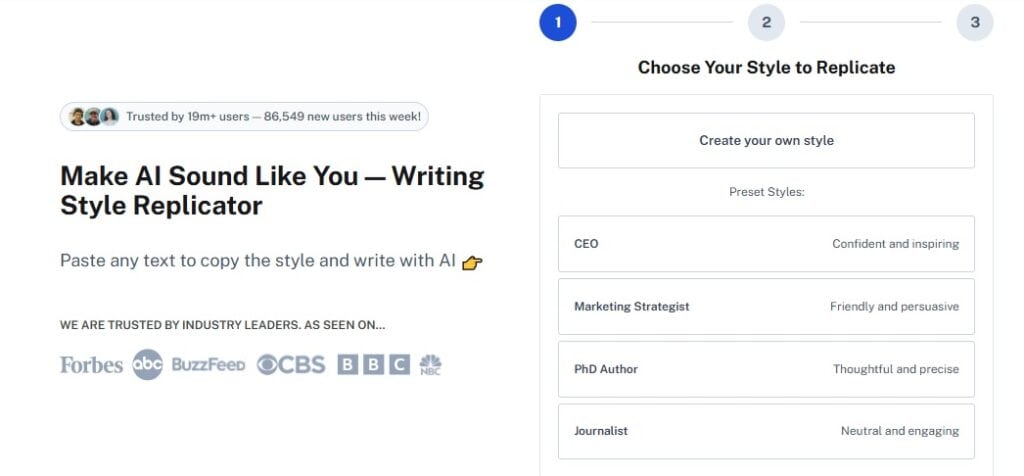
The Undetectable AI’s Writing Style Replicator can help you refine the tone and emotional balance of your euphemisms, ensuring they hit the right note for your specific situation.
Whether you need corporate formality or casual friendliness, getting the tone right matters.
Euphemisms also change over time. What was once considered polite becomes outdated or even offensive. “Colored people” was a euphemism in the 1950s.
Now it’s deeply inappropriate. Language evolves, and so do our euphemisms.
The Main Types of Euphemisms
Not all euphemisms work the same way.
Here are the main categories:
- Abstraction: Replace specific words with vague, abstract terms. “Casualties” instead of dead soldiers. “Collateral damage” instead of civilian deaths. “Substance abuse” instead of drug addiction. The vaguer, the less confronting.
- Understatement: Minimize the severity of something. “A bit of a situation” for a total disaster. “Not feeling great” when you’re violently ill. “Having some financial challenges” when you’re bankrupt. British people are masters at this.
- Indirection: Talk around the subject without naming it directly. “I have a little errand to run” when you need to avoid details about a personal talk or “Let’s circle back on that” if you want to postpone addressing an uncomfortable topic.
- Figurative language: Use metaphors or idioms to soften reality. “Bit the dust” for died. “In a better place” for dead. “Pushing up daisies” for buried. These often have cultural or historical roots.
- Foreign borrowing: Use Latin or French words to sound clinical or sophisticated. “Perspire” instead of sweat. “Flatulence” instead of farting. “Intoxicated” instead of drunk. Somehow, foreign words feel cleaner.
- Professional jargon: Create specialized terms that obscure meaning. “Negative patient outcome” for death in medical settings. “Involuntary departure” for getting fired. “Strategic withdrawal” for retreat in military contexts. This type often borders on manipulation.
Each type serves different purposes. Abstraction provides emotional distance. Understatement maintains British-level composure.
Indirection protects privacy. Figurative language adds color. Foreign borrowing sounds educated. Jargon creates insider language.
The type you choose depends on your audience and purpose. Talking to kids about death?
Figurative language works. Writing a corporate email about layoffs? Professional jargon it is.
How to Identify a Euphemism in a Sentence
Spotting euphemisms is easier than you think.
Here’s your detection toolkit:
- Look for vague language. If someone’s being oddly indirect about something normally straightforward, that’s probably a euphemism. “We need to discuss your performance” often means you’re about to get criticized. “This relationship isn’t working” means someone’s breaking up with you.
- Notice abstract nouns. Words ending in “-tion,” “-ness,” and “-ment” often signal euphemistic language. “Termination” instead of firing. “Correctional facility” instead of prison. “Developmental challenges” instead of learning disabilities.
- Watch for positive-sounding substitutes. If an adjective sounds suspiciously pleasant when describing an unpleasant reality, you’ve found a euphemism. “Downsizing” sounds like a positive lifestyle choice, not mass layoffs. “Economical with the truth” sounds better than lying.
- Check for cultural context. Some phrases only work as euphemisms within specific communities or time periods. “Bless your heart” is Southern for “you’re an idiot.” “That’s interesting” in academic settings means “I completely disagree.”
- Compare to direct alternatives. Ask yourself: what’s the blunt version of this phrase? If there’s a significant gap between the euphemism and the direct term, you’ve identified one. “Intimate relations” versus sex. “Correctional officer” versus prison guard. “Sanitation engineer” versus garbage collector.
Here’s a real-world example: “We’re going to have to explore other options for your role here.”
Translation breakdown:
- “Explore other options” = you’re getting fired
- “For your role” = this isn’t mutual
- The passive construction = we’re avoiding direct responsibility
That’s a euphemism sandwich.
How to Use Euphemisms in Your Own Writing

Using euphemisms effectively requires judgment. Too much and you sound evasive. Too little and you sound harsh.
Here’s how to get it right.
Step 1: Decide What You Want to Soften or Rephrase
First, identify why you need a euphemism. Are you:
- Being considerate of someone’s feelings?
- Maintaining professional tone?
- Avoiding offensive language?
- Discussing a sensitive topic?
- Following social conventions?
If you’re writing a sympathy card, euphemisms make sense. “Sorry for your loss” works better than “sorry your dad died.”
Be honest about your motivation. Are you being tactful or evasive?
There’s a difference between “he’s between jobs” (tactful) and “we’re experiencing temporary liquidity challenges” when your company is bankrupt (evasive).
Good reasons to use euphemisms:
- Showing respect for difficult situations
- Maintaining professional boundaries
- Following established conventions in formal writing
- Making uncomfortable but necessary information more accessible
Bad reasons:
- Hiding inconvenient truths
- Manipulating how people perceive negative information
- Avoiding accountability
- Making yourself sound smarter than you are
Step 2: Choose the Most Appropriate Indirect Expression
Once you’ve decided a euphemism is appropriate, pick the right one. Consider your audience and purpose.
Writing for a general audience? Stick with common, recognizable euphemisms. Everyone understands “passed away” or “let go.” Don’t get creative here.
Writing for a specific industry? Use accepted professional terminology. Medical writing has different conventions from corporate communications.
Match the formality level. “Restroom” works in professional settings. “Bathroom” works in casual conversation. “The loo” works if you’re British or trying to be cute.
Avoid euphemisms that are:
- Overly complex or confusing
- Culturally insensitive
- So indirect that they obscure meaning
- Outdated or offensive
Test your euphemism by imagining how your intended audience will receive it.
Would your grandma understand it? Would it confuse a non-native English speaker? Would it come across as condescending?
Step 3: Check for Clarity and Tone
Finally, make sure your euphemism actually communicates. Soft language shouldn’t become unclear language.
Read your sentence out loud. Does it sound natural? Or does it sound like you’re a corporate robot avoiding lawsuits?
“We’re restructuring the department” is clear enough. “We’re optimizing human capital allocation across strategic business units” is ridiculous.
Ask yourself:
- Will readers understand what I actually mean?
- Am I being respectful without being dishonest?
- Does this fit the tone of the rest of my writing?
- Would I say this out loud to someone’s face?
If your euphemism requires a decoder ring, it’s not working. The goal is to soften the impact, not create confusion.
Balance is everything. You want enough indirection to be tactful, but have enough clarity to be honest.
That’s the sweet spot.
Common Mistakes When Using Euphemisms
Even experienced writers can slip up.
Here are some notable mistakes:
- Mistake 1: Piling on too many euphemisms. Using multiple euphemisms in one sentence creates a fog of vagueness. “We’re exploring alternative employment opportunities due to strategic realignment” means you’re getting fired. A simpler approach would be to simply say, “We’re making changes to the team structure.” One euphemism, not five.
- Mistake 2: Using euphemisms that are more offensive than the original. Some euphemisms haven’t aged well. Terms like “handicapped” or “special needs” were once considered polite. Now, many people find them patronizing. Direct terms like “disabled” are often preferred. Language changes, so keep up.
- Mistake 3: Being euphemistic when directness is required. Some situations demand clarity. Medical instructions. Legal documents. Safety warnings. Emergency communications. Don’t euphemize “this medication may cause death” into “adverse outcomes are possible.” Be clear.
- Mistake 4: Using euphemisms inconsistently. If you say “passed away” once and then “died” later in the same piece, it feels jarring. Pick your level of directness and stick with it.
- Mistake 5: Creating new euphemisms that nobody understands. Yes, “pre-owned vehicle” is silly, but people know it means used car. “Previously enjoyed transportation asset” is just confusing. Don’t reinvent the wheel here.
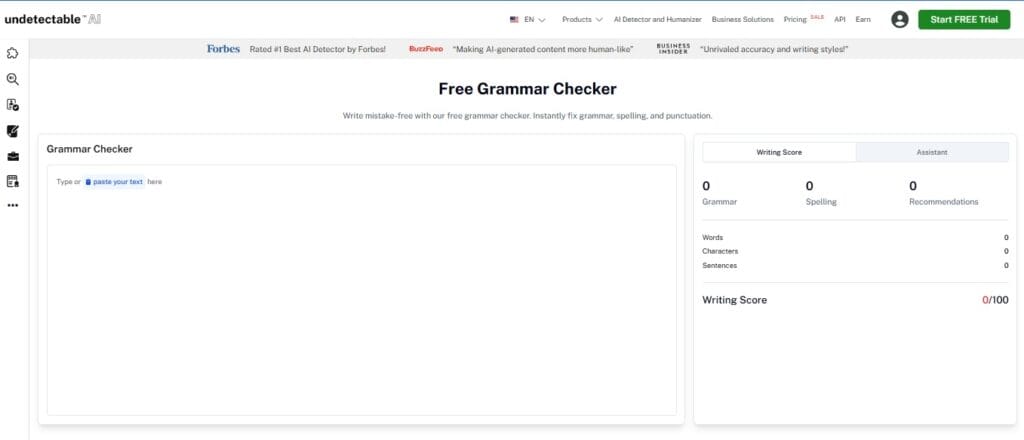
The Undetectable AI’s Grammar Checker can help you catch unclear, ambiguous, or overly indirect phrasing before it confuses your readers.
Sometimes you need fresh eyes to spot when your euphemisms have gone too far.
- Mistake 6: Using euphemisms to deceive. There’s a line between tactful and dishonest. “Enhanced interrogation techniques” for torture. “Ethnic cleansing” for genocide. “Alternative facts” for lies. These don’t soften the language but obscure the truth.
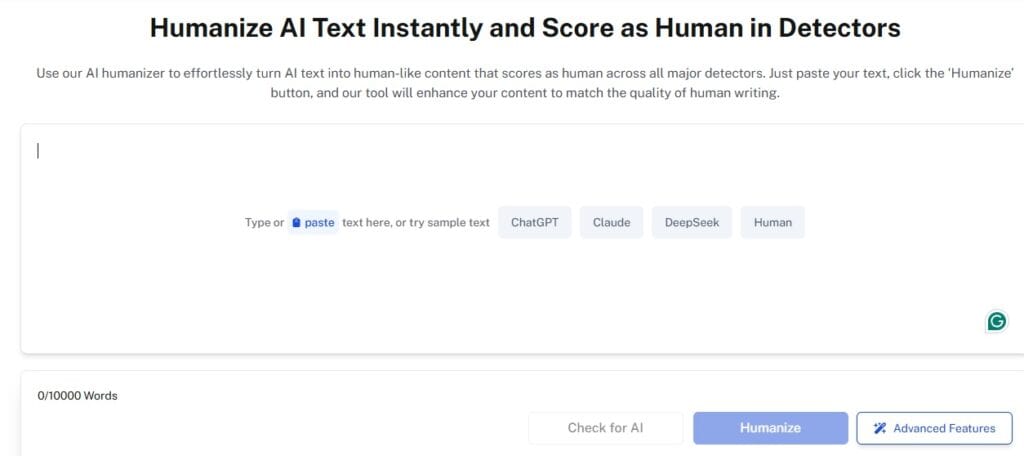
The Undetectable AI Humanizer can help correct euphemisms that sound forced or unnatural, making your writing feel more authentic while still maintaining appropriate sensitivity.
Test our AI Detector and Humanizer with the widget below!
Let’s Call It What It Really Is
Euphemisms are everywhere.
We use them constantly, often without thinking. They help us navigate uncomfortable topics, maintain social harmony, and occasionally avoid saying things that need to be said.
The key is using them intentionally. Know why you’re choosing indirect language.
Make sure it serves your reader, not just your comfort. And always prioritize clarity over cleverness.
Next time you’re tempted to say someone was “let go,” ask yourself: am I being tactful or evasive? The answer will indicate whether your euphemism is effective.
Want to make sure your writing strikes the right balance between polite and clear?
Undetectable AI helps you refine your tone, catch awkward phrasing, and ensure your euphemisms land the way you intend.
Whether you’re writing professional emails, creative content, or anything in between, get the clarity and naturalness your writing deserves.
Try it today and see the difference.