
Ever stood outside a playhouse and wondered, “Is it “theater’ or “theatre’? Both spellings appear correct, leading to a common dilemma for writers everywhere. This linguistic fork in the road is a fascinating reflection of English’s global variations.
The choice between “theater” and “theatre” isn’t about right or wrong, but rather about regional preference. American English predominantly favors “theater,” while British English (and by extension, the conventions in the United Kingdom, Australia, and Canada) leans towards “theatre.”
This subtle yet significant difference can trip up even seasoned writers and entertainment professionals.
In this discussion, we will demystify the “theatre vs. theater” debate, exploring the origins of these distinct spellings and providing clear guidance to ensure your writing consistently aligns with your intended audience.
Let’s resolve this common confusion, empowering you to write with renewed confidence.
TL;DR:
Use “theater” for American audiences and “theatre” for British, Canadian, or Australian readers. Always retain the original spelling when referring to specific names, such as “The Globe Theatre.”
Both forms mean the same thing, so choose one variant and use AI tools to maintain consistency.
Key Takeaways
- Theater and theatre are both correct spellings of the same word and there is no difference in their meaning or how they are pronounced.
- Theater is the standard spelling in American English while theatre is the preferred version in British English and other countries like Canada and Australia.
- The American spelling was popularized by Noah Webster to make the language more phonetic while the British version reflects the original French influence on the word.
- Many American institutions use the theatre spelling in their formal names to evoke a sense of tradition or prestige despite theater being the regional norm.
- Consistency is essential in professional writing so you should choose the spelling that matches your audience’s region and use it throughout your entire document.
What Do Theatre and Theater Mean
Before we get into the spelling rules, let’s clarify what these words actually mean. Both “theatre” and “theater” are similar words that function as nouns.
They refer to a place where plays, musicals, theatrical performances, and movies are staged for an audience. They can also refer to the art form itself or a theatrical production or company.
Same meaning in all contexts
The meaning of the word doesn’t change regardless of how you spell it. Whether you use the “re” or “er” ending, the word refers to the act of staging a play, showing films, or presenting motion pictures, or the building where it happens.


Never Worry About AI Detecting Your Texts Again. Undetectable AI Can Help You:
- Make your AI assisted writing appear human-like.
- Bypass all major AI detection tools with just one click.
- Use AI safely and confidently in school and work.
You might be visiting a Broadway theater district, attending a local play, or going to a movie theater. The context remains exactly the same. The only difference is the spelling, which is tied to regional variations in the English language.
Theatre and Theater in English Usage
The main reason we have two different spellings for the same word comes down to geography. The correct spelling depends entirely on which version of English you are using. It’s a matter of geography.
The debate is ultimately a regional one, and understanding that context makes the whole thing a lot less confusing. Both theater and theatre are correct; they just serve different audiences.
In fact, the theatre vs theater question is one of the most common spelling debates in the English language.
Theatre = British English
If you are writing in British English, “theatre” with the “re” ending is the standard spelling. This rule applies in the UK and in other countries that follow British spelling conventions, such as Australia, New Zealand, and Canada.
The word “theatre” has roots in ancient Greece through the verb “theasthai,” meaning “to behold,” and “theatron,” meaning “viewing place.”
The word “theatrum” emerged when Greek gave way to Latin, and the French adopted the word in the 14th century with the spelling “théâtre.” This French word heavily influenced the British spelling, and you will see it when Brits talk about going out.
Theater = American English
On the other hand, “theater” with the “er” ending is the preferred spelling in American English.
The American spelling simplification is largely attributed to Noah Webster, who aimed to make English spelling more logical and phonetic after the American Revolution.
Webster changed the spelling of many words in American English to appear less British while compiling his dictionary.
His changes included replacing “re” endings with “er” endings, which is why “theater” became the dominant spelling in America. The same difference in spelling is seen in “liter” vs “litre”.
This is the same reason we see differences like “colour” versus “color” or “favour” versus “favor“. Reputable grammar guidelines can confirm this.
According to Merriam-Webster, “theatre” is listed as a variant spelling of “theater,” so it is used occasionally, in specific contexts.

Pro Tip: If you are ever unsure which version to use, Undetectable AI’s AI Question Solver can help explain when to use theater vs theatre based on region and context. It’s a common theatre/theater debate.
Where You’ll Commonly See Each Spelling

The subtle difference between British and American English is a fascinating piece of linguistics. The British spelling of “theatre” dates back centuries and refers to both the art form and the physical spaces where theatre is performed.
In Britain, “theatre” refers to live performance venues, while the term “cinema” is more commonly used instead of “movie theater.” Canadians use the phrase “going to the movie theatre,” but have adopted the “re” spelling of the word.
In the United States, the word theater is the standard spelling for general use. The spelling difference doesn’t apply when the word is used as a proper noun in names.
Many American performing arts companies use the “theatre” spelling in their proper names to evoke a sense of tradition or prestige. For example, Ford’s Theatre in Washington, D.C., uses the “re” spelling.
In some U.S. contexts, the word is spelled theatre to denote the art form or the name of a theatrical organization, while theater refers to a physical building or performance space. It is also used to refer to “movie theaters” rather than “cinema.”
Examples of Theatre and Theater in Sentences
To help make things clearer, let’s look at some examples of theatre/theater usage in a sentence. These examples of theatre forms will show the distinction between the two spellings in context.
What’s the difference between the two? The table below makes it clear.
| Form | Example Sentence |
|---|---|
| Theater (American) | We are going to the movie theater to see the new film. Both theater options are great. |
| Theatre (British) | They are attending a play at the local theatre in London, which has a beautiful outdoor area. |
| Proper Noun | The Broadway theater district is famous for its spectacular shows. There are two theaters on this block. |
| Proper Noun | We visited Ford’s Theatre during our trip to Washington. |

If you find yourself struggling to mix up your sentence structures while maintaining the correct spelling, Undetectable AI’s AI Humanizer can refine your writing for natural flow and tone.
How to Choose Between Theatre and Theater
Keeping track of regional spelling differences can be tricky, especially if you write for an international audience. It’s important to choose one spelling and use it consistently throughout your document.
Mixing American versions and British spellings can make your writing look unprofessional and confuse your readers.
Whether you are writing research articles, drafting a message for a business meeting, or trying to tap into a Canadian audience, you must take into account the spelling you use.
Of course, use “theater” if your audience speaks American English, as it’s more popular on the internet and follows AP style guidelines.
Use “theatre” when your audience uses British English, as it’s the preferred spelling in several countries, including Australia, New Zealand, and Canada.
When you understand the theatre vs theater distinction, you can make a confident choice every time. Both forms are widely accepted, so adjust the spelling to your audience and their conventions.
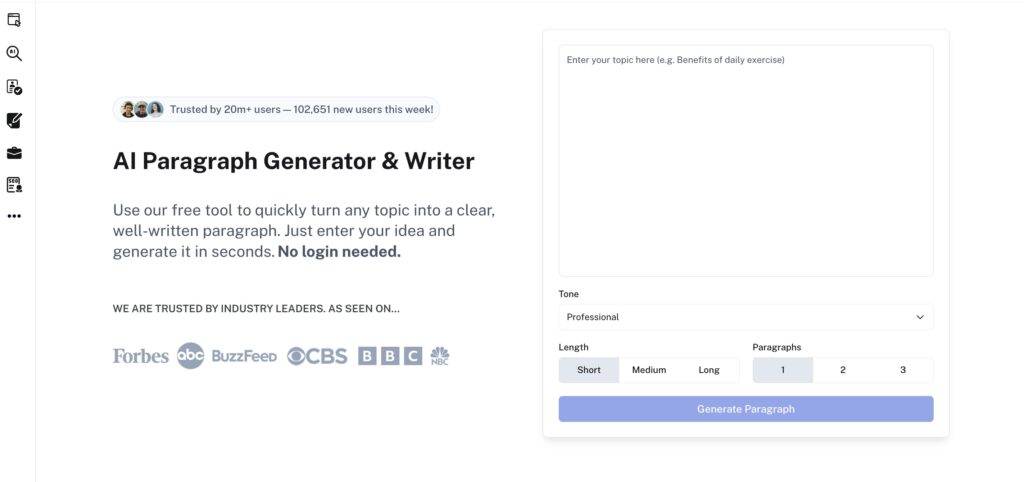
Fortunately, you don’t have to wait for an editor to fix your work. Using the Undetectable AI’s AI Paragraph Generator can help you create clear, well-structured paragraphs that automatically use the correct spelling for your target audience.
Additionally, running your text through Undetectable AI’s AI Detector can help identify any inconsistencies in your spelling usage, verifying your final message is polished and professional.
Try out our AI Detector and Humanizer right below!
Frequently Asked Questions About Theatre vs Theater
Is it theatre and theater?
Both of these two spellings are correct. “Theater” is the standard spelling in American English, while “theatre” is the preferred spelling in British English and other Commonwealth countries.
Why does British English use the ‘re’ ending?
Brits generally follow the French spelling “théâtre,” which was adopted in the 14th century. The “re” ending has been preserved in British textbooks and writing ever since.
Does Canada use theater or theatre?
Canada typically follows British spelling conventions, so “theatre” with the “re” ending is the correct spelling there, even when referring to a movie theatre.
How do you pronounce theatre and theater?
Both words are pronounced exactly the same way: “thee uh ter.” The pronunciation doesn’t change based on the spelling.
Can I use both spellings in the same article?
No, it’s best to choose one spelling based on your target audience and use it consistently throughout your writing to maintain a professional tone.
Final Thoughts on Choosing the Right Spelling for Your Audience
Navigating the differences between American and British English can sometimes feel like a journey of its own. Whether you are writing a blog post, an academic paper, or a simple email, knowing your audience is the key to choosing the right spelling.
By knowing the rules behind the “re” and “er” endings and using the right tools to maintain consistency, you can verify your writing is always clear, professional, and perfectly understood by your readers.
Keep your spelling consistent and your writing natural across regions with Undetectable AI.