
“Haste makes waste.”
“Don’t judge a book by its cover.”
“Early bird catches the worm.”
For some reason, these types of short sayings are those we remember most from childhood. They stick with us as we grow, and even as adults, they still feel relevant.
These are called adages: memorable sayings that express a general truth and have earned credibility through long use.
They’re usually straightforward but often rely on simple metaphors, which make them easy to remember.
Adages are sometimes called proverbs, aphorisms, or idioms, but what exactly separates an adage from other types of sayings?
Why do they stick in our minds decades after we first heard them?
And more importantly, how can you use them effectively in your own writing without sounding like you’re recycling your grandmother’s advice?
Let’s break it down.
Key Takeaways
- Adages are short, memorable sayings that express general truths gained through experience
- They differ from idioms (figurative) and proverbs (moral lessons) in their literal, experiential nature
- Effective adages use simple language and often metaphors to make abstract wisdom concrete
- Overusing adages can make writing feel stale, but strategic placement adds authenticity
- Modern tools can help refresh tired adages while keeping their wisdom intact
What Is an Adage?
An adage is a traditional saying that expresses a common observation or truth about life.
Think of it as distilled wisdom passed down through generations. Unlike jokes or clever wordplay, adages survive because they capture something real about human experience.
The word itself originates from the Latin “adagium,” which means proverb or saying. But adages aren’t just old. They’re proven.


Never Worry About AI Detecting Your Texts Again. Undetectable AI Can Help You:
- Make your AI assisted writing appear human-like.
- Bypass all major AI detection tools with just one click.
- Use AI safely and confidently in school and work.
They’ve lasted because people continue to find them useful, relevant, and true.
Adage Definition
An adage is a concise, memorable statement that conveys a general truth or observation based on common experience.
It gains authority through repeated use over time and typically offers practical wisdom about human behavior, nature, or life circumstances.
The key characteristics of an adage include:
- Brevity. Most adages are short enough to remember easily. They rarely exceed one sentence.
- Universal truth. The wisdom applies broadly across different situations and cultures.
- Time-tested. Adages aren’t invented last week. They’ve been around long enough to prove their staying power.
- Literal meaning. While they may use metaphors, adages generally mean what they say. “Actions speak louder than words” literally means that what people do matters more than what they promise.
Adage Examples
Some adages have been around so long that we forget they’re adages at all. They just feel like common sense.
Here are examples you’ve definitely heard:
- “Practice makes perfect.” This one reminds us that repetition and effort lead to mastery. Simple, direct, impossible to argue with.
- “You can’t have your cake and eat it too.” You can’t enjoy both options when they’re mutually exclusive. Choose one.
- “A penny saved is a penny earned.” Saving money has the same effect as making more money. Benjamin Franklin knew what he was talking about.
- “Better late than never.” Showing up or completing something late beats not doing it at all. We’ve all leaned on this one at some point.
- “Two heads are better than one.” Collaboration often produces better results than working alone. Teamwork makes the dream work, as the saying goes.
- “Where there’s smoke, there’s fire.” If there are signs of a problem, there’s probably an actual problem. Pay attention to warning signs.
- “The grass is always greener on the other side.” People tend to think others have it better when they often don’t. Stop comparing, start appreciating.
- “You reap what you sow.” Your actions have consequences, good or bad. What goes around comes around.
Notice how each one packages a life lesson into a handful of words?
That’s the power of a good adage. It captures complex human experiences and makes them portable, shareable, and memorable.
Why Adages Matter
Adages matter because they serve as shortcuts to credibility.
When you use one well, you’re not just making a point. You’re connecting your idea to centuries of human experience.
You’re saying, “This isn’t just my opinion. This is what people have noticed to be true forever.”
They also create instant understanding. Instead of explaining a complex concept in three paragraphs, you drop an adage, and your reader gets it immediately.
“Don’t put all your eggs in one basket” conveys an entire risk management philosophy in eight words.
In writing, adages serve several purposes:
- They establish common ground. Readers recognize them, which creates a sense of shared understanding between you and your audience.
- They add authority. An adage suggests you’re drawing on wisdom beyond your own limited perspective.
- They make abstract ideas concrete. “A bird in the hand is worth two in the bush” makes risk assessment tangible.
- They’re memorable. People remember adages long after they forget the rest of your article.
Yet adages only work when your audience recognizes them. Use an obscure adage from 16th-century England, and you’ll just confuse people.
The best adages for modern writing are the ones that have transcended their origins and become universal.
Where Adages Come From and How They Spread

Most adages originated as observations made by ordinary people living ordinary lives.
Farmers noticed patterns in weather and crops. Merchants learned lessons about business. Parents watched their children make the same mistakes they made.
These observations got repeated, refined, and eventually turned into the sayings we know today.
Oral tradition played a massive role.Before widespread literacy, wisdom got passed down through speech.
If a saying was memorable enough to survive countless retellings, it usually contained real truth. The forgettable ones died out.
Repetition turned observations into adages. Someone said “haste makes waste” once, and others found it useful enough to repeat.
Each repetition tested the saying against new experiences. If it held up, it spread further. If it didn’t, it faded away.
Culture amplified certain adages while filtering out others. Different societies preserved sayings that aligned with their values.
Agricultural communities valued adages about patience and seasons. Trading cultures developed sayings about negotiation and trust.
Modern technology changed how adages spread, but not whether they spread.
Social media, books, movies, and television now carry adages across the globe in seconds. The mechanisms changed, but the pattern remains the same.
Good adages get repeated because they’re useful.
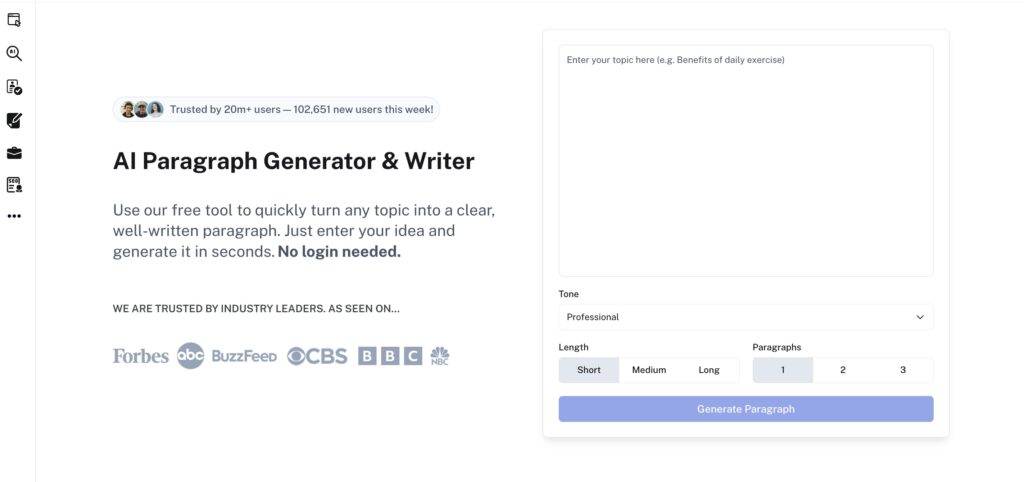
Tools like Undetectable AI’s AI Paragraph Generator can actually help you understand this spread pattern.
You can take this topic and generate text to understand how traditional wisdom gets summarized and shared across different contexts, so you can see which elements make certain sayings stick.
When to Use an Adage in Writing
Timing matters with adages. Drop one in the wrong place, and you’ll sound like you’re trying too hard to sound wise.
Use one strategically, and you’ll nail your point.
- Use an adage to open or close a piece. Starting with “All that glitters is not gold” immediately frames your article about financial scams. Ending with “Time will tell” leaves readers with a thoughtful conclusion.
- Use an adage to transition between ideas. “When in Rome, do as the Romans do” can bridge a discussion about cultural adaptation between two case studies.
- Use an adage to emphasize a key point. After explaining a complex argument about preparation, landing on “By failing to prepare, you are preparing to fail” drives it home.
- Use an adage to add personality to dry content. Technical writing doesn’t have to be boring. A well-placed “Don’t reinvent the wheel” in a software documentation guide adds human warmth.
Don’t use adages in these situations:
- When writing for a specialized audience that values precision. Academic papers and technical manuals need specificity, not folk wisdom.
- When the adage contradicts your actual advice. Don’t write “Look before you leap” in an article encouraging bold entrepreneurship. That’s just confusing.
- When you’re already overusing them. One or two adages per article works. Five or six makes you sound like a motivational poster.
- When a simpler statement works better. Sometimes “be careful” is clearer than “better safe than sorry.”
The key question to ask yourself is this: Does this adage make my point clearer and more memorable, or am I just filling space?
How to Use Adages Without Sounding Cliché
Here’s the problem with adages. Everyone knows them. That’s why they’re adages. But that familiarity can work against you.
Use “it is what it is” in the present day, and readers might roll their eyes.
So, how do you reap the benefits of an adage’s wisdom without the staleness?
- Twist it slightly. Take the familiar structure and make it your own. Instead of “the early bird gets the worm,” try “the early bird gets the worm, but the second mouse gets the cheese.” You’re playing with expectations while keeping the wisdom.
- Set it up properly. Don’t just drop an adage randomly. Create context that makes it land fresh. “My grandmother used to say, ‘a stitch in time saves nine,’ and she was right. That small bug fix we skipped last month? It just cost us three weeks of development time.”
- Acknowledge the cliché directly. “I know it’s a cliché, but ‘slow and steady wins the race’ genuinely applies here.” Self-awareness makes it feel less forced.
- Use it ironically or subvert it. “They say ‘good things come to those who wait.’ They’re wrong. Good things come to those who work their asses off while waiting strategically.”
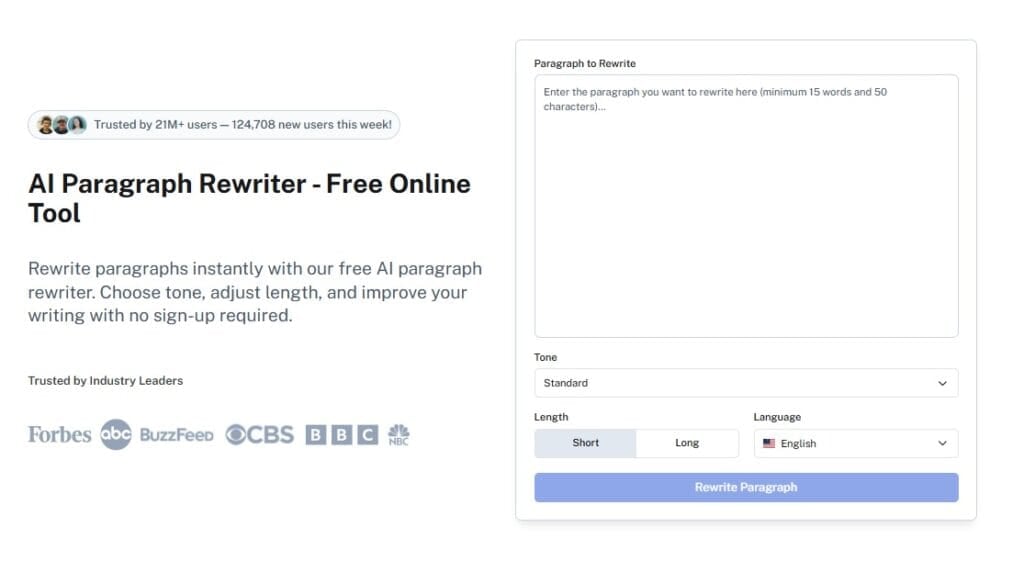
Modern tools can help here, too. Undetectable AI’s Paragraph Rewriter can take an overused adage and help you find fresh ways to express the same wisdom.
Instead of writing “time is money” for the hundredth time, you might reframe it as “every minute you spend inefficiently costs you actual dollars.”
And if your rewritten version sounds too robotic or unnatural, Undetectable AI’s AI Humanizer can smooth out those rough edges.
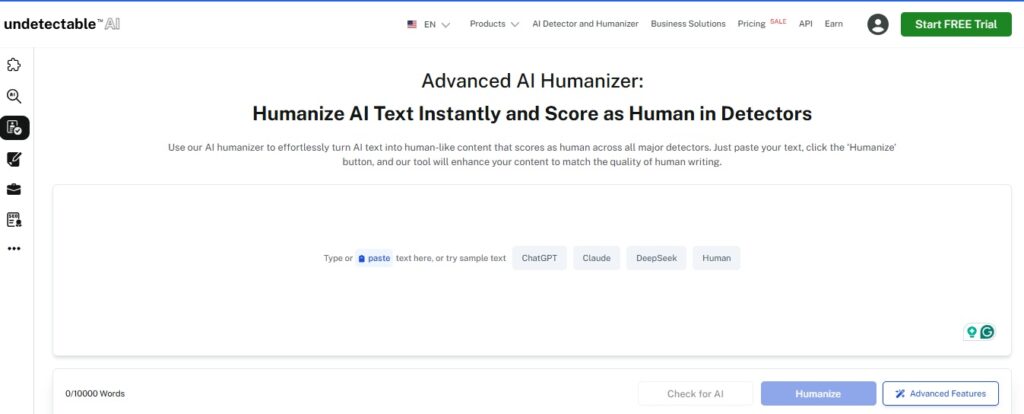
It ensures your refreshed adage still sounds like something a real person would actually say, not like you fed it through a thesaurus and hoped for the best.
The goal isn’t to avoid adages. It’s to use them intentionally in ways that feel earned rather than lazy.
Common Mistakes When Using Adages
Even experienced writers sometimes mess up adages.
Here are the biggest mistakes to avoid:
- Mixing metaphors. “Don’t count your chickens before the early bird catches them” makes zero sense. Pick one adage and stick with it. Avoid creating a Frankenstein’s monster of folk wisdom by using multiple metaphors.
- Using contradictory adages. “Look before you leap” and “he who hesitates is lost” offer opposite advice. Using both in the same piece confuses your message unless you’re deliberately exploring the tension between them.
- Explaining the adage afterward. If you write “the squeaky wheel gets the grease” and then spend two paragraphs explaining what that means, you’ve defeated the purpose. Adages should be self-explanatory in context.
- Getting the wording wrong. It’s “curiosity killed the cat,” not “curiosity kills cats.” It’s “blood is thicker than water,” not “blood runs thicker than water.” Minor tweaks make a difference because readers notice when a familiar saying is slightly off.
- Overreliance on adages instead of original thinking. If your article is just a string of adages, you’re not really writing. You’re curating. Adages should support your ideas, not replace them.
- Using culturally specific adages with global audiences. “Barking up the wrong tree” might confuse non-native English speakers or people unfamiliar with hunting traditions. Knowing your audience is part of writing more effectively.
- Treating all old sayings as adages. Remember, idioms are figurative (“kick the bucket”), proverbs teach moral lessons (“honesty is the best policy”), and adages state practical truths. They overlap but aren’t identical.
The biggest mistake, though, is being afraid to use adages at all. Yes, they can sound cliché if handled badly. But they’ve survived for a reason.
Used well, they make your writing more relatable, memorable, and more human.
Give our AI Detector and Humanizer a spin in the widget below!
These Sayings Didn’t Survive by Accident
Adages aren’t going anywhere. They’ve survived centuries because they compress real wisdom into memorable packages.
They connect us to generations of human experience, making abstract ideas concrete.
But like any tool in a writer’s kit, they need to be used with skill and intention.
Choose adages that genuinely support your point. Place them where they’ll have maximum impact. Avoid overuse.
Consider freshening up tired sayings when you can. And always ask yourself if the adage makes your writing clearer or just makes you sound like you’re trying too hard.
When you need help refreshing an overused adage or making sure your writing sounds natural and human, tools like Undetectable AI can make the difference.
The AI Paragraph Generator helps you explore different ways to express timeless wisdom. The Paragraph Rewriter transforms stale sayings into fresh perspectives.
And the AI Humanizer ensures everything flows naturally.
Use adages wisely, and they’ll make your writing stronger.
After all, as the old saying goes: “The right tool for the right job.” That applies to adages, too.