
“Brick and mortar” truly means what it sounds like: the physical walls and structure of a business you can actually walk into.
That includes the many mom-and-pop shops in your neighborhood, cafes, delis, and clothing boutiques, which are the heart and soul of our economy.
The term sounds old-school, maybe even outdated in our digital world. But they aren’t going anywhere.
While online shopping through Amazon and other e-commerce platforms blew up during the pandemic, it wasn’t necessarily by choice.
People bought everything from groceries to furniture without leaving their couches. E-commerce became the number one profit-generating industry at the time. But something interesting happened after that period.
Customers started craving the physical experience again.
Despite the convenience of buying anything and everything online, that windbreaker you’ve been looking at for weeks can’t be tried on through your MacBook’s screen.
You can’t smell a candle or test a lipstick shade in an app. The tactile, immediate nature of physical retail offers something e-commerce simply can’t replicate.
This guide breaks down everything you need to know about brick-and-mortar and why these businesses still matter.
Let’s dive in.
Key Takeaways
- Brick and mortar refers to any business with a physical location that customers can visit.
- Physical stores saw a resurgence after the pandemic’s digital shopping surge.
- The main advantage is a tangible customer experience that online can’t match.
- Successful stores blend physical presence with digital convenience.
- Location, appearance, and customer service remain important success factors.
What Brick and Mortar Means
The phrase “brick and mortar” literally refers to the building materials used in traditional construction. Bricks and mortar. Physical structures you can touch, walk into, and shop inside.
In business terms, it refers to any company operating from a physical location. A storefront. An office. A restaurant. Anywhere customers can physically visit to browse, buy, or interact with your business.
The opposite would be a purely online business. Think of companies that exist only as websites or apps, with no physical location for customers to visit.


Never Worry About AI Detecting Your Texts Again. Undetectable AI Can Help You:
- Make your AI assisted writing appear human-like.
- Bypass all major AI detection tools with just one click.
- Use AI safely and confidently in school and work.
Meaning Explained
The definition has evolved.
A brick-and-mortar business today doesn’t mean you avoid digital completely. Most successful physical stores also have websites, social media accounts, and online ordering systems. The key difference is having a physical location where transactions happen and customers gather.
Your local gym is brick-and-mortar, even if you book classes through their app. The pizza place down the street is brick-and-mortar, even though half its orders come through delivery apps.
The boutique on Main Street is brick-and-mortar, even with an Instagram shop.
The core element is the physical space, where customers can show up, walk in, and engage with your business in person.
Some businesses operate as hybrids. They started online and added physical locations later. Or they began with storefronts and expanded to e-commerce.
Both models work. The brick-and-mortar component simply means having that tangible presence in the real world.
Everyday Brick and Mortar Examples
You interact with brick-and-mortar businesses constantly, probably without thinking about it.
Coffee shops are the quintessential example. Starbucks, your local independent café, or even the coffee cart at the farmer’s market. These are all brick-and-mortar operations.
People come for the product, sure, but also for the atmosphere, the human interaction, the ritual of ordering in person.
Grocery stores remain primarily brick-and-mortar despite the rise of delivery services. Whole Foods, Trader Joe’s, your neighborhood grocery store. People still prefer selecting their own produce, checking expiration dates, and discovering new products while browsing the aisles.
Clothing retailers depend heavily on the physical experience. Zara, H&M, local boutiques. Customers want to feel the fabric quality, check sizing, and try things on.
Online return rates for clothing are notoriously high because fit is so personal.
Banks maintain physical branches even as mobile banking dominates. Why? Some transactions require in-person verification. Older customers prefer face-to-face service. Complex financial discussions feel more secure in person.
Restaurants and bars are inherently brick-and-mortar. You can order takeout online, but the dining experience itself requires a physical space. The ambiance, the service, the social aspect, it all happens in person.
Fitness centers and yoga studios can’t replicate their value online. Peloton tried to replace gyms with digital offerings, which worked for some people. But most fitness enthusiasts still crave the energy of working out in a physical space with others.
Bookstores like Barnes & Noble survived the digital revolution because they offer something Amazon can’t. The ability to flip through books, discover unexpected titles, and sit in a reading nook with coffee.
It’s an experience, not just a transaction.
Hardware stores remain essential brick-and-mortar businesses. When your sink is leaking at 8 p.m., you need to walk into a store and talk to someone who can help you find the right part. Browsing plumbing supplies online isn’t ideal when water is flooding your bathroom.
Importance of Brick and Mortar
Physical stores create jobs in local communities. Every retail location needs staff like cashiers, managers, stockers, and sales associates.
These jobs often provide crucial entry-level opportunities for young workers and flexible schedules for parents or students.
Brick-and-mortar businesses contribute to neighborhood character. Think about the streets you love visiting. They probably have interesting shops, cafés, and restaurants creating vibrancy. Empty storefronts make areas feel abandoned, whereas thriving retail makes communities feel alive.
The immediate gratification factor matters more than people admit. When you need something today, not in two business days, physical stores deliver. No waiting for shipping.
No worrying about porch pirates stealing your package. You buy it and take it home immediately.
Physical retail provides sensory experiences that online shopping can’t. You smell the leather in a shoe store. You hear live music in a record shop. You taste samples at a bakery.
These sensory elements create memorable shopping experiences that build customer loyalty.
Personal interaction remains valuable. Talking to a knowledgeable sales associate who can answer questions, offer recommendations, and solve problems creates trust.
Chatbots and email support don’t compare to speaking with a real person who can read your body language and understand nuanced needs.
Now, when you’re writing product descriptions, signage, or marketing materials for your brick-and-mortar business, the content needs to sound human. Not robotic or generated by a machine.
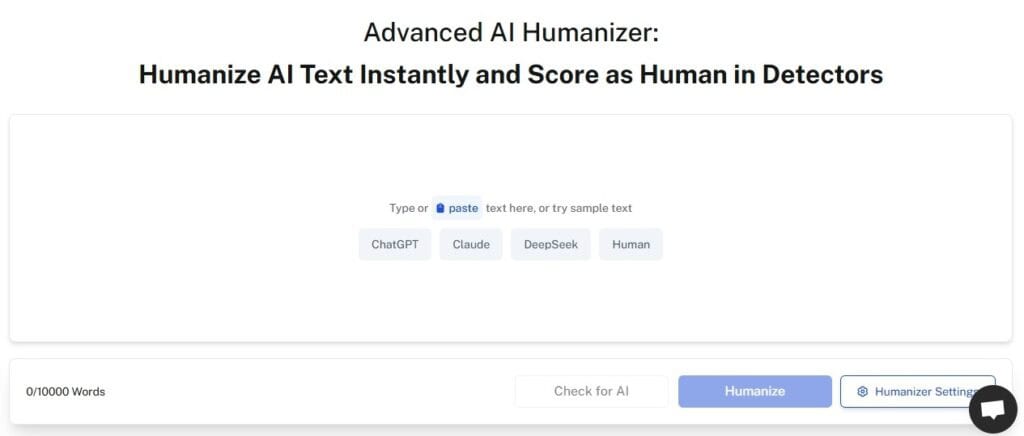
Undetectable AI’s AI Humanizer comes in handy here. Say you’ve drafted some promotional content or product descriptions. The AI Humanizer can help refine that copy to sound more natural, relatable, and conversational.
Why does this matter for physical stores?
Because even brick-and-mortar businesses need digital content, such as a website, social media posts, and email newsletters. All of this supports your physical location, but happens online.
The AI Humanizer helps ensure this content matches how you’d actually talk to customers in your store. Warm, approachable, genuine. Not stiff corporate language that turns people off.
Good brick-and-mortar businesses understand that their physical presence and digital voice should align.
Customers expect the same friendly, helpful tone whether they’re reading your Instagram post or talking to your staff in person. Consistency builds trust.
Pros and Cons Explained
The Advantages
Physical stores let customers examine products before buying. This drastically reduces returns and increases satisfaction. When someone can touch, try, or test something, they make more confident purchasing decisions.
Impulse buying happens more in physical locations. Strategic product placement, attractive displays, and the simple act of browsing drive unplanned purchases. Online shopping is more intentional. People usually go to websites knowing what they want.
Brand experience gets amplified in physical spaces. The lighting, music, layout, and staff interaction all communicate your brand’s personality.
A website can’t replicate the experience of walking into a thoughtfully designed store that engages all your senses.
Community building works better face-to-face. Regular customers become familiar with your staff. They can run into neighbors while shopping. Physical stores can host events, workshops, or gatherings that create genuine community connections.
Immediate problem-solving is possible. If something’s wrong with a purchase, customers can bring it back today and get help from a real person. No waiting on hold or dealing with confusing return shipping processes.
The Disadvantages
Operating costs are significantly higher than those of online-only businesses, including rent, utilities, insurance, maintenance, and staff wages. These expenses add up quickly and continue whether you’re making sales or not.
Geographic limitations restrict your customer base. An online store can sell to anyone, anywhere. A physical store can only serve people willing to travel to your location, which means your market size is inherently limited.
Hours of operation create constraints, while online stores sell 24/7. Physical locations have set hours when they’re closed. You might miss potential customers who can only shop at inconvenient times.
Staffing challenges are ongoing. Finding, training, and retaining good employees takes constant effort. Calling in sick creates coverage gaps. Employee turnover means perpetually recruiting and retraining.
Inventory management gets complicated. You need enough stock to avoid empty shelves but not so much that you’re tying up capital in unsold products. Predicting demand for a physical location is trickier than adjusting online inventory.
Competition from e-commerce never stops. Customers can compare prices on their phones while standing in your store.
If they find something cheaper online, you might lose the sale even after they’ve invested time visiting your location.
How to Manage Effectively
Running a successful brick-and-mortar business requires attention to details that online retailers never consider.
Focus on Customer Service
Your staff makes or breaks the experience. Hire people who genuinely enjoy helping others, train them thoroughly on products and policies, and empower them to solve problems without having to check in with a manager.
Greet customers when they enter. Not aggressively, just acknowledge their presence. A simple “Let me know if you need anything” makes people feel welcome without being pushy.
Handle complaints gracefully. The customer isn’t always right, but they’re always a human being deserving of respect.
Listen fully before responding. Offer solutions, not excuses. A well-handled complaint can turn someone into a loyal customer.
Remember regulars. Learn names when possible. Notice preferences. “Good to see you again” or “Did that product work out for you last time?” shows customers they matter as individuals, not just transactions.
Maintain Store Appearance
Clean matters more than fancy. A spotless budget store feels better than a dirty upscale boutique. Sweep daily. Clean windows weekly. Keep bathrooms immaculate if you have them.
Lighting affects mood dramatically. Dark stores feel depressing or sketchy. Too-bright feels sterile. Find the balance that makes your products look good, and customers feel comfortable.
Update displays regularly. Even if you’re not getting new products, rearrange what you have. Stale displays make regular customers think nothing ever changes. Fresh presentations suggest energy and attention to detail.
Fix things immediately. Broken door handles, burned-out bulbs, damaged flooring. These details signal neglect. Customers may subconsciously wonder: if they don’t fix visible problems, what invisible problems exist?
Organize logically. Customers shouldn’t have to hunt for basic items. Clear signage and an intuitive layout help. Think about how people actually shop, not just how you want to organize inventory.
Adapt to Changing Trends
Technology integration isn’t optional anymore, and neither is staying ahead in marketing. Accept multiple payment types, offer free WiFi, and consider implementing mobile checkout so staff can process sales anywhere in the store.
Create an online presence that supports your physical location. Google Business Profile is essential. Instagram works well for visual products. Email lists keep customers informed about in-store events or new arrivals.
Blend digital convenience with physical experience. Let customers order online and pick up in store. Offer to ship items not currently in stock. Check inventory on your phone when helping customers.
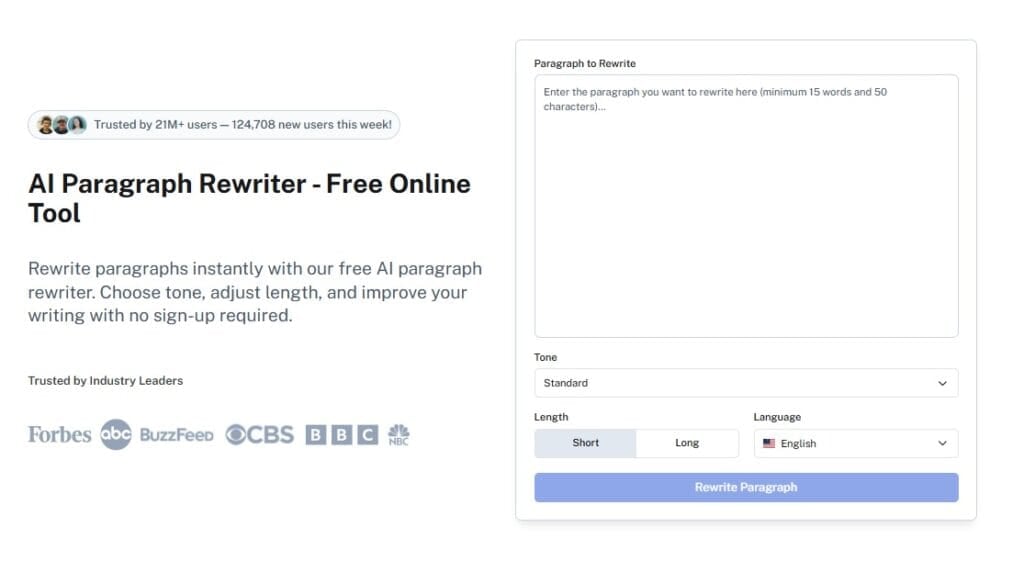
Use tools like Undetectable AI’s Paragraph Rewriter to simplify complex policies or instructions into customer-friendly language. Your return policy shouldn’t require a law degree to understand. Operating hours should be clearly stated, not buried in confusing text.
Run your content through Undetectable AI’s AI Detector to ensure everything you publish sounds natural and human.
Whether it’s your website copy, email campaigns, or social media posts, the language should feel conversational, as if you’re talking to a friend, not reading a corporate manual.
Stay aware of competitor moves without obsessing over them. Notice what works in other stores. Adapt ideas to fit your brand, but don’t just copy. Your customers chose you for a reason.
Listen to customer feedback actively not only in formal surveys, but in casual conversation. Pay attention when multiple people mention the same issue or ask for the same product. Your customers often know what you need before you do.
Try the AI Detector and Humanizer tools in the widget below!
Humans Still Like Leaving The House
Brick and mortar is still evolving.
Businesses thriving today understand that physical and digital aren’t opposing forces but rather complementary tools. Your store’s Instagram account drives foot traffic. Your physical location builds brand loyalty that translates to online sales.
You don’t need to revolutionize retail. You just need to do the basics exceptionally well and stay flexible as customer preferences shift.
If you’re running a brick-and-mortar business, focus on what you control, such as your customer experience, store environment, team attitude, and the rest will follow.
The world still needs great brick-and-mortar businesses. Places where people gather, discover, and connect. Just make sure you’re solving a real problem or filling a genuine need in your community.
Physical retail has survived every technological disruption thrown at it, and it’ll survive the next one too. Humans are physical beings who crave real-world experiences, and no amount of digital convenience changes that truth.
Keep your messaging authentic and credible across every channel with Undetectable AI.